
Updated January: 2026
Semi-permanent makeup can be one of the most satisfying beauty investments a client makes—when they understand what the service actually is, what the terminology really means, and what the long-term plan looks like. The problem is that the industry’s language is often unclear. Different studios use different names for similar techniques, social media compresses complex procedures into short clips, and clients are left trying to compare services without a clean “translation” guide.
This article is designed to be that translation.
It’s a neutral, buyer-focused guide that explains the most common semi-permanent makeup terms (especially for brows), how techniques differ in practice, what “maintenance” really means, and how to compare options without getting pulled into trends. You’ll also find text-only comparisons (no tables), plus practical FAQs that clients often don’t ask—but should—before they schedule their appointment.
The Foundation: What Semi-Permanent Makeup Really Means
Semi-permanent makeup is a category of cosmetic tattooing that places pigment into the upper layers of the skin to enhance facial features while allowing gradual softening over time. It is designed to look natural, blend with your features, and age with your skin—rather than stay bold forever like a traditional body tattoo.
Even though “semi-permanent” sounds straightforward, clients often interpret it in two unhelpful extremes:
Extreme #1: “It will last forever.”
Extreme #2: “It will disappear quickly and I’ll be back every few months.”
The reality sits in the middle. Semi-permanent makeup is built around a life cycle: initial creation, healing, a second treatment to refine and reinforce, then long-term maintenance based on how your skin holds pigment and how you want your brows to look over time.
What You’re Actually Buying (Beyond the Buzzwords)
When a client pays for a semi-permanent makeup service, they’re not only paying for “pigment being placed.” The cost includes a structured set of skills and decisions that happen before, during, and after the appointment. In a buyer’s sense, you’re purchasing:
- Design planning (shape strategy that fits your face and natural brow growth)
- Technique selection (choosing strokes, shading, or a hybrid based on skin behavior)
- Pigment selection (undertone-aware color planning that heals naturally)
- Application control (depth, pressure, layering, and spacing decisions)
- Healing guidance (understanding what “normal” looks like day-to-day)
- Second treatment refinement (finalizing the result after healing reveals retention)
- Long-term planning (how to keep brows looking consistent as they soften over time)
That “long-term planning” piece is where many clients feel most surprised. They see dramatic fresh results online, but they don’t see how the best results are usually created by thinking beyond the first appointment. If you want a deeper read on the mindset of planning brows with longevity in mind, this perspective piece is helpful: thinking beyond today when choosing your brow plan.

Core Terms Clients Should Understand Before Booking
Below are the terms that cause the most confusion—explained in plain language.
Pigment
Pigment is cosmetic color formulated for facial skin. It isn’t the same as body tattoo ink, and it’s chosen based on how it will heal in your undertone and how it will soften over time.
Undertone
Undertone refers to the underlying hue in your skin (warm, neutral, cool, or a blend). Undertone affects how pigment appears once it settles. Two clients can choose “the same brown,” and it can heal differently based on undertone.
Retention
Retention describes how much pigment remains visible after the skin heals. Retention varies by client. It depends on skin type (oil level, texture), immune response, aftercare consistency, and lifestyle factors like sun exposure.
Fading / Softening
Fading is expected. Softening over time is part of the design. A well-planned semi-permanent result is created with the understanding that pigment will gradually lighten, not stay “fresh” forever.
Healed Result
The healed result is what the brows look like after the skin completes its cycle. Fresh brows can look bolder. Healed brows should look more integrated with your features.
Second Treatment
The second treatment is the refinement session after healing. It’s where density can be adjusted, small gaps can be refined, and the healed look is finalized. It is not a “bonus”; it’s a common part of completing the process.
Shading
Shading is a technique category that creates soft density (think: gentle makeup effect). Shading can be used alone (powder/ombré) or combined with strokes (combo).
Strokes
Strokes are fine hair-like lines created by microblading or machine hairstrokes (nano). Strokes can be beautiful on the right skin type, but they rely heavily on skin behavior for long-term crispness.
Overworking
Overworking describes too much trauma to the skin in one session. It can impact healing and retention. A controlled approach prioritizes clean implantation over “doing more” in the moment
The Technique Dictionary: What Each Brow Service Means
Most “what should I book?” confusion comes from unclear technique labels. Clients often think they’re choosing between trendy names, when they’re actually choosing between how pigment is placed in the skin: strokes, shading, or a hybrid of both.
Microblading
Microblading is a manual hairstroke technique performed with a handheld blade tool. It creates the illusion of brow hairs by placing fine strokes into the skin. On suitable skin types, microblading can look very natural because it mimics hair direction and spacing.
Microblading tends to be best suited for skin that is not overly oily, not heavily textured, and not prone to faster diffusion of pigment. Clients who want a crisp, hair-stroke appearance often start here—and then later compare whether shading might serve them better for longevity. If you’re researching that exact comparison, this breakdown may help: microblading vs. powder brows and long-term considerations.
Nano Brows (Machine Hairstrokes)
Nano brows refer to machine-created hairstrokes. Instead of a manual blade, a device uses ultra-fine needles to place strokes with more controlled implantation. This can allow a softer approach, and for some clients it can expand the range of skin types that can wear a stroke look.
Nano brows are still “strokes,” which means the same general idea applies: your skin’s behavior is a major factor in how crisp strokes look over time. A good buyer mindset is to think of nano brows as “strokes with different tools,” not “a completely different universe.”
Powder Brows
Powder brows are a shading technique. Instead of placing individual hairs, the artist builds soft density with pixel-like layering. The visual effect is similar to gently filled brows—often described as a makeup look, but it can be done in a very soft, natural way.
Powder brows are frequently recommended for clients who want a more consistent, long-term look across changing skin conditions, especially when strokes may not stay crisp as skin produces oil or texture changes. Mature clients often find powder brows more suitable; here’s a helpful explanation of why: why many mature clients prefer powder brows over microblading.
Ombré Powder Brows
Ombré is a style of powder shading where the brow transitions from lighter at the front to more defined toward the tail. This gradient adds dimension and structure while keeping the front softer.
Ombré can be especially helpful when clients want a defined shape without a harsh “block” look at the front. It is also commonly discussed in relation to how different skin tones heal pigment. If you’re looking at the pros/cons across melanin levels, this article is a useful read: microblading vs. ombré powder brows for high and low melanin skin.
Combo Brows (Hybrid Brows)
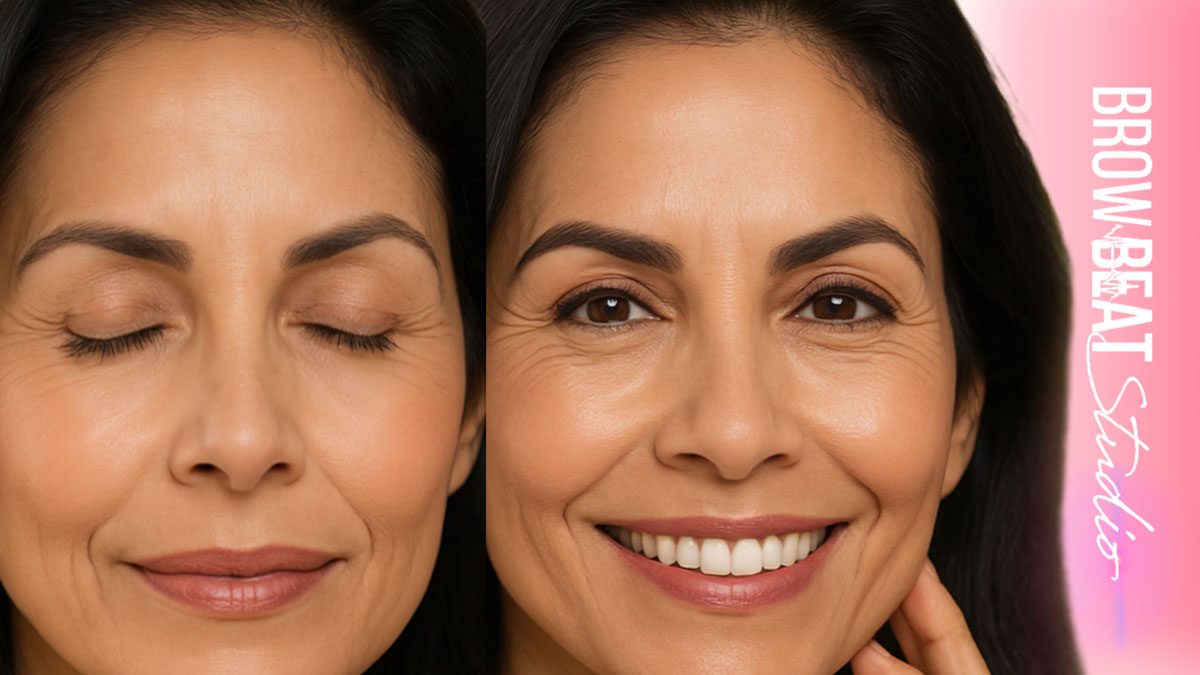
Combo brows combine strokes and shading. Typically, strokes are placed toward the front and shading is used through the body and tail to create density and structure. The benefit of combo is flexibility: it can look textured and hair-like up front, while still giving the stability of shading where most clients want shape definition.
Combo is often chosen by clients who like the idea of hairstrokes but don’t want to rely on strokes alone for the entire brow. It’s also a common “bridge” for clients transitioning from a pure stroke look to a more shaded look over time.
Comparisons
Microblading vs. Nano Brows
Microblading uses a manual blade; nano uses a machine. Both aim for hairstroke realism. Nano often offers more controlled implantation, but both are still dependent on skin behavior for long-term crispness.
Microblading vs. Powder Brows
Microblading creates hair strokes; powder builds soft density. Powder tends to create a more consistent “filled” look and may be a stronger long-term choice for clients whose skin diffuses strokes more quickly.
Powder Brows vs. Ombré Brows
Both are shading-based. Powder can be more uniform; ombré adds a gradient with a lighter front and more defined tail.
Combo Brows vs. Powder Brows
Combo includes strokes + shading; powder is shading only. Combo offers texture up front; powder offers simplicity and consistency across the brow.
Why Two People Can Book “The Same Service” and Get Different Outcomes
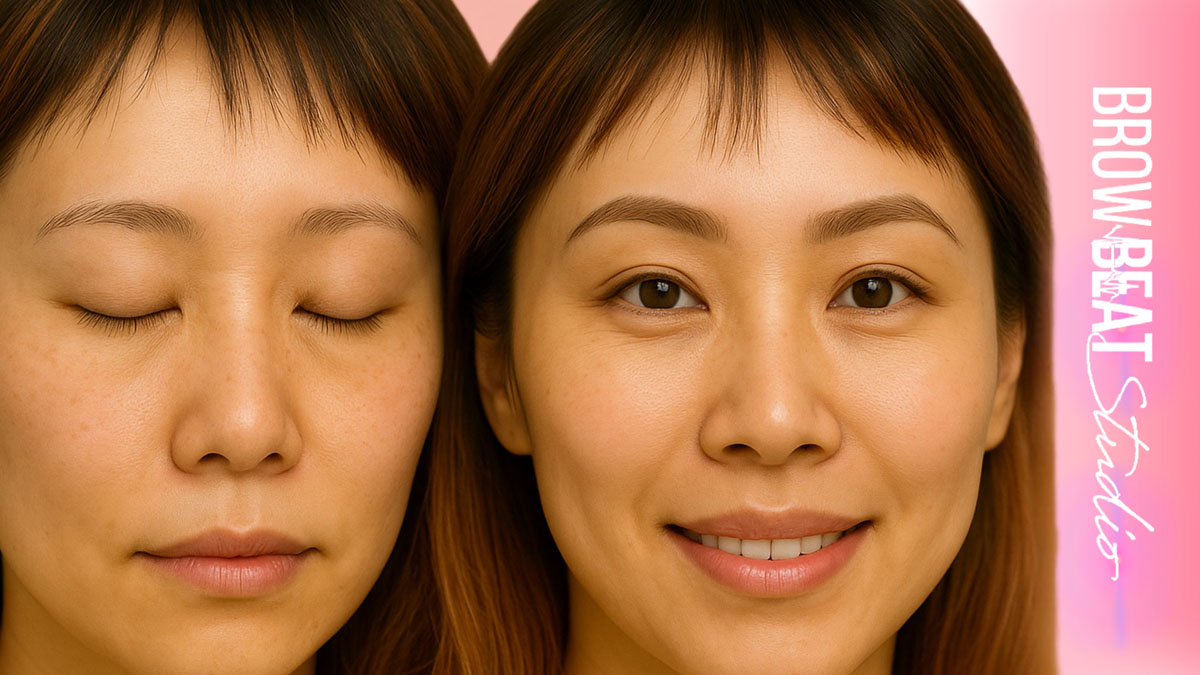
One of the most misunderstood truths about semi-permanent makeup is this: technique names don’t guarantee identical outcomes. Two people can book “powder brows,” and one heals with soft airy density while the other heals lighter and needs more reinforcement at the second treatment. That isn’t necessarily “good or bad.” It’s biology, skin behavior, and lifestyle interacting with pigment.
Skin Type (Oil Level)
Oil can influence how pigment settles and how crisp details remain. This is why some clients notice strokes softening faster than expected. Shading techniques often create a more stable appearance on oilier skin because the goal is density rather than crisp lines.
Texture and Pore Size
Texture and pore size can influence how sharply pigment appears once healed. Larger pores can allow pigment to look softer, which may be desirable for a natural look but can reduce the “crispness” of hairstrokes.
Immune Response
Some clients’ bodies clear pigment more actively during healing. This can create a lighter healed result and is one reason second treatments exist as a standard part of the process. The second treatment is where the artist responds to what the skin did, not what was hoped.
Sun Exposure and Skincare Habits
UV exposure accelerates softening. Skincare routines—especially exfoliating products—can influence how quickly pigment appears to fade. This doesn’t mean clients can’t have skincare. It means planning matters, and long-term expectations should match lifestyle.
Why “Experience” Is Not Just a Marketing Word
Because so many variables affect healing, experienced professionals tend to be better at choosing the right technique for the right skin—and at explaining what the client should realistically expect. If you want a deeper explanation of what “experience” actually means in this industry, this resource is helpful: why experience matters when choosing a brow artist.
Maintenance: What Clients Usually Don’t Understand
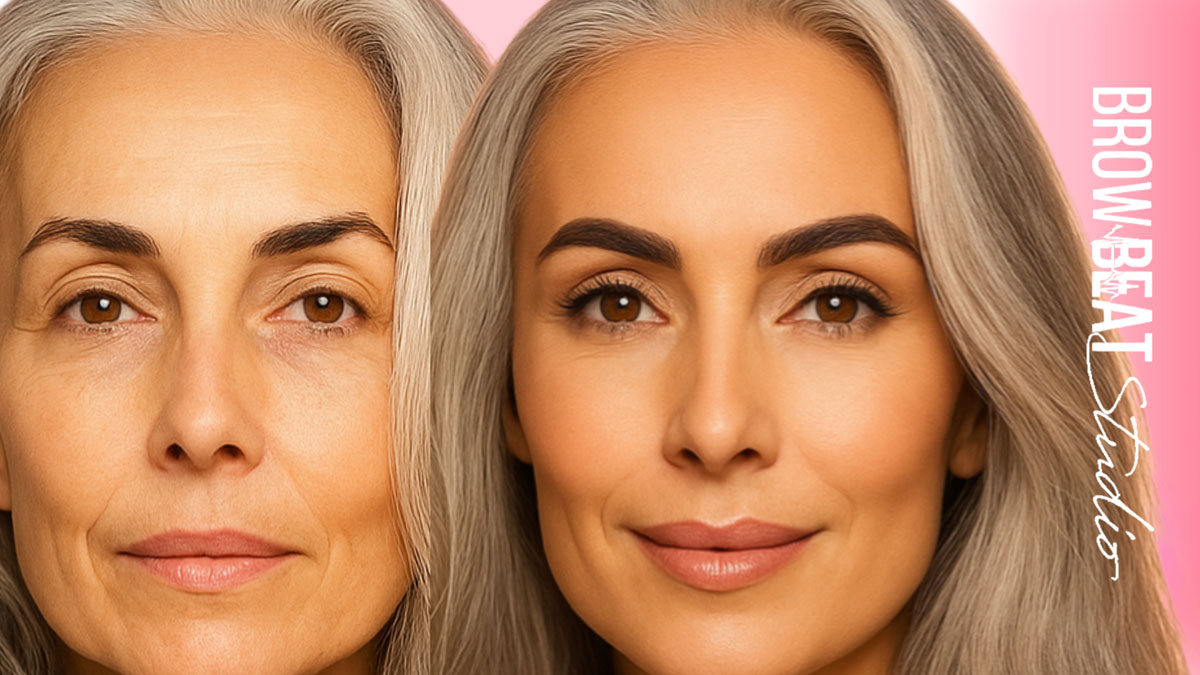
Maintenance is not a “failure” of semi-permanent makeup. It’s the plan. Brows are on the face—an area exposed to sun, skincare, movement, and oil. The goal is a long-term look that remains soft and believable, not a permanent stamp.
If you want a practical explanation of why maintenance is treated as essential in many long-term plans, read: why annual maintenance is part of the process.
Where Aftercare Fits (Without Turning This Into an Aftercare Blog)
This article is not an aftercare manual. However, buyers should understand that aftercare is part of the service lifecycle because it influences retention. If you want a full, dedicated aftercare guide, you can reference: the complete microblading aftercare guide.
The key buyer takeaway: follow guidance consistently so the healed result reflects the plan, not avoidable interruptions.
“Buyer Questions” Most People Forget to Ask (Plus a Simple Decision Lens)
Most clients ask: “Which one looks best?” A better question is: “Which option best matches my skin, my lifestyle, and the look I want long-term?” Below are neutral FAQs that help clients think like informed buyers rather than trend-followers.
FAQs Clients Rarely Ask (But Should)
Does darker pigment always last longer?
Not necessarily. Retention depends on skin behavior more than color depth. Over-saturation can create long-term complications, while controlled layering supports a softer, more stable healed appearance.
Is “more detail” always better?
No. More detail can look great on the right skin, but overly fine detail in the wrong skin type can soften quickly. The best approach is the one that stays believable after healing.
Is one technique objectively “better” than another?
No. Techniques are tools. “Better” depends on goals, skin type, and long-term expectations. That said, many clients lean toward powder techniques when they want a consistent look that ages well, which is why articles like best powder brow technique trends for 2025 exist.
What if I want my brows to look natural now, but more defined later?
That’s a valid plan. Many clients evolve over time. Combo brows can be one bridge option, or clients may start softer with shading and adjust density gradually through maintenance.
What if I’m nervous about “looking too done”?
Then your priorities are softness and a healed look that blends. Ask for a plan that emphasizes subtle density and a gentle front, rather than heavy definition.
How do I compare options without getting overwhelmed?
Use a simple decision lens: (1) Do I want strokes, shading, or both? (2) Does my skin type support the look I want long-term? (3) Am I comfortable with maintenance as a normal part of the plan?
A Simple Decision Lens
If you love hair-like detail: explore microblading or nano, but prioritize technique selection that matches your skin behavior.
If you love a consistent, softly filled look: explore powder or ombré shading.
If you want both texture and density: explore combo brows.
If your priority is longevity and stability: shading techniques are often easier to keep consistent over time, especially as skin changes.
Final Thought
Semi-permanent makeup works best when clients understand what they’re purchasing: a planned process that includes technique selection, healing, a second treatment, and long-term maintenance. When the language becomes clear, the buying decision becomes calmer and more confident.
For broader context on where modern techniques are heading, this overview is a useful reference point: the best semi-permanent makeup techniques in 2025.