

Last Updated: January 2026
Alopecia-related eyebrow hair loss affects more people than many realize. Whether caused by autoimmune conditions, medical treatments, hormonal changes, or long-term thinning, the emotional and visual impact of eyebrow loss can be significant. Brows frame the face, influence expression, and play an important role in how individuals perceive their appearance.
Modern semi-permanent brow techniques now offer restorative cosmetic options that help recreate the appearance of fuller, balanced eyebrows. While microblading remains a beautiful artistic technique, shading-based methods such as powder brows have become increasingly popular for long-term sustainability and consistency — especially for clients experiencing hair loss.
This guide explores the most common forms of alopecia affecting eyebrows, how brow restoration works, and why many restorative clients choose powder brows for long-term visual stability.
What Is Alopecia And How Does It Affect Eyebrow Hair?
Alopecia is a general term used to describe hair loss that can occur on the scalp, face, and body. While many associate alopecia with scalp hair loss, eyebrow thinning and loss are also common and can be emotionally challenging.
Eyebrow hair loss may occur gradually or suddenly depending on the underlying cause. Some individuals experience patchy brow loss, while others notice thinning density over time. In restorative cosmetic services, the goal is not to treat the medical condition itself, but to support appearance restoration and confidence through carefully applied brow techniques.
Understanding Different Types Of Alopecia That Affect Eyebrows
Not all alopecia presents the same way. Different patterns of hair loss can influence brow appearance and determine which restoration techniques may provide the most consistent results.
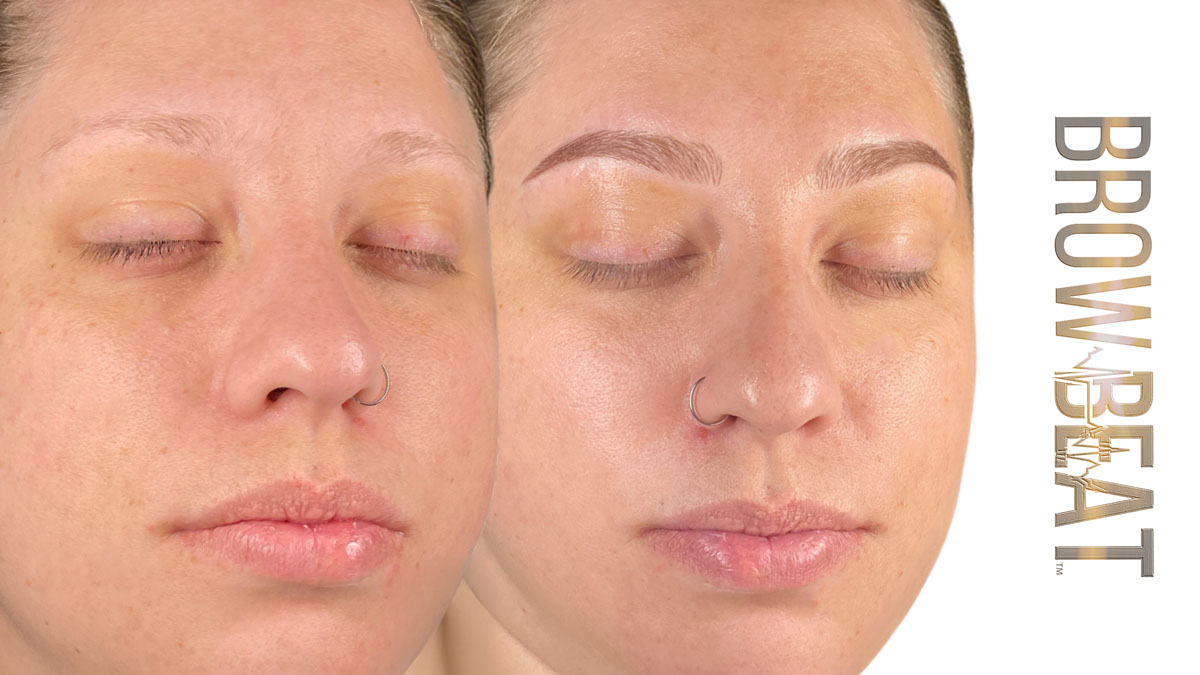
Alopecia Areata
Alopecia areata is an autoimmune condition that often causes patchy hair loss. It may affect the scalp, eyebrows, eyelashes, or other areas of the body.
When eyebrows are impacted, hair loss can appear uneven or localized to specific sections of the brow. Many clients with alopecia areata seek cosmetic brow restoration to recreate balanced symmetry and natural fullness.
Because hair regrowth patterns may fluctuate, shading-based techniques such as powder brows are often preferred for long-term consistency and visual stability.
Alopecia Totalis
Alopecia totalis refers to complete hair loss on the scalp and may also involve eyebrow loss. Individuals experiencing this condition often seek restorative cosmetic solutions to recreate facial framing and expression.
Powder brows are frequently chosen in these cases due to their ability to create soft, uniform density across the brow area without relying on existing hair structure.
Alopecia Universalis
Alopecia universalis is characterized by complete hair loss across the entire body, including eyebrows and eyelashes. For many individuals, eyebrow restoration plays a meaningful role in restoring facial balance and confidence.
Shaded brow techniques allow artists to design customized brow shapes that complement facial features while providing consistent long-term appearance.
Traction Alopecia And Cosmetic Hair Loss
Traction alopecia occurs when repeated tension from grooming habits, waxing, threading, or over-plucking leads to gradual hair loss. This is a common cause of eyebrow thinning among cosmetic clients.
In these cases, powder brows and shading techniques help rebuild visual density while maintaining a soft, natural look. Many clients choose shading because it offers adaptable coverage as brow patterns evolve.
Chemotherapy-Related Hair Loss
Hair loss related to chemotherapy is not technically classified as alopecia, but it is one of the most common reasons individuals seek eyebrow restoration services.
Temporary or long-term brow thinning can occur during treatment, and restorative cosmetic brow services provide a way to recreate natural brow appearance during recovery.
Powder brows are often selected for chemotherapy clients due to their controlled pigment layering, soft healing characteristics, and long-term sustainability.
Hormonal And Medical Hair Thinning
Hormonal changes, thyroid conditions, menopause, and stress-related factors may contribute to eyebrow thinning over time. While hair density patterns may fluctuate, many individuals seek brow restoration to maintain consistent facial structure.
Shading-based brow techniques allow flexible customization that adapts to gradual hair changes while preserving natural-looking results.
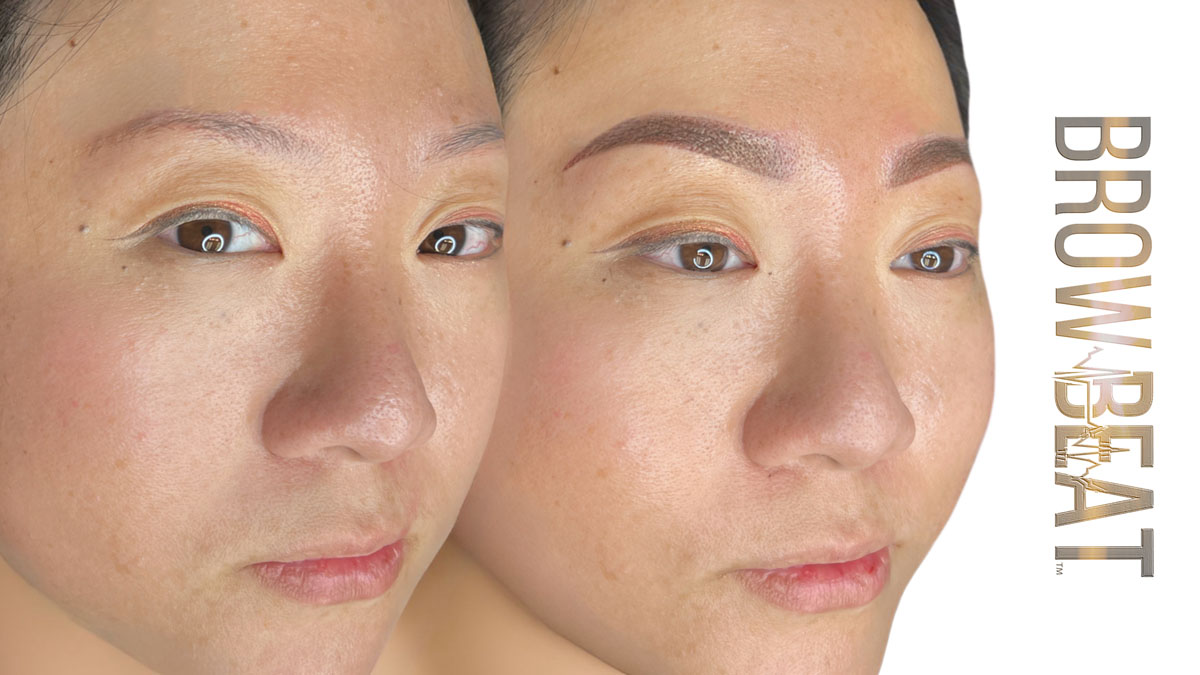
Why Brow Restoration Is Different From Cosmetic Enhancement
Brow restoration differs from traditional cosmetic enhancement in both purpose and technique. While beauty-focused brow services often aim to enhance existing brow hair, restorative services focus on rebuilding visual density and shape when hair is sparse or absent.
This distinction is important because hair loss clients require more conservative, adaptable, and long-term sustainable solutions.
Microblading remains a beautiful artistic technique and continues to be widely used for cosmetic enhancement. However, many restorative clients choose powder brows and shading methods because they provide greater long-term consistency, even pigment distribution, and adaptable coverage for changing hair patterns.
How Powder Brows Support Long-Term Sustainability For Hair Loss Clients
Powder brows use a pixel-based shading technique that creates soft layers of pigment across the brow area. This approach offers several advantages for clients experiencing hair loss:
- More uniform visual density
- Controlled pigment layering
- Adaptability for sensitive or changing skin conditions
- Soft gradient appearance that blends naturally
- Long-term stability for restoration-focused clients
For these reasons, powder brows are frequently recommended for alopecia and chemotherapy-related brow restoration while still preserving a natural aesthetic.
Visual Restoration Examples And Client Transformations
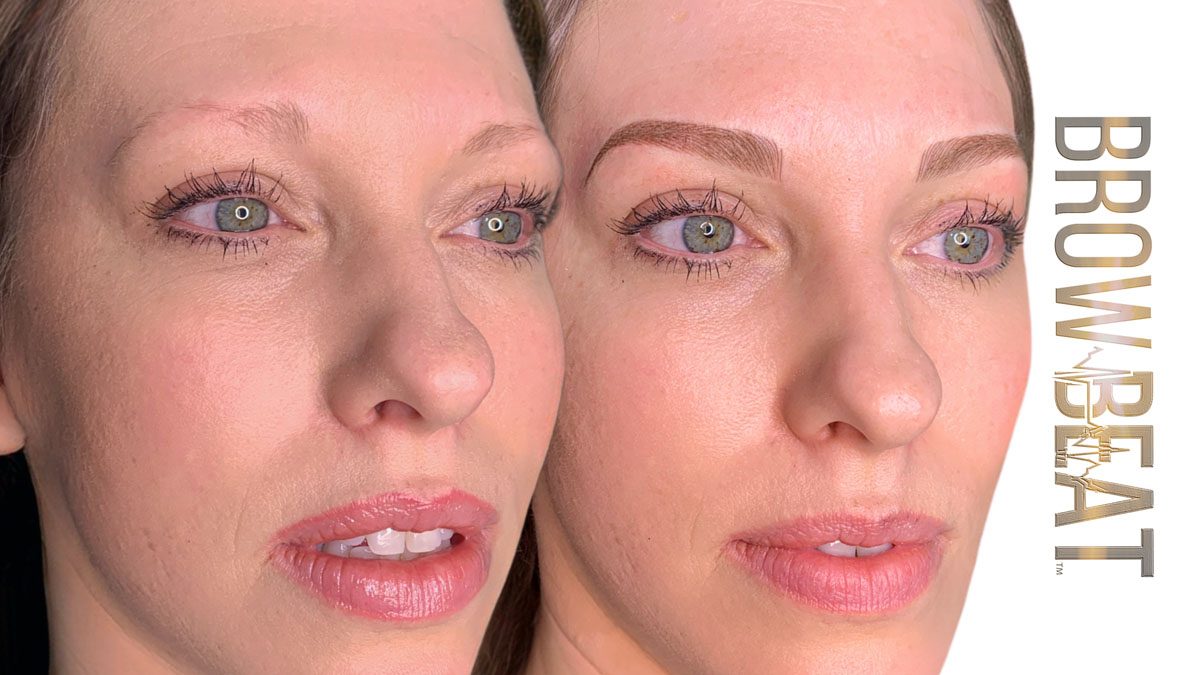
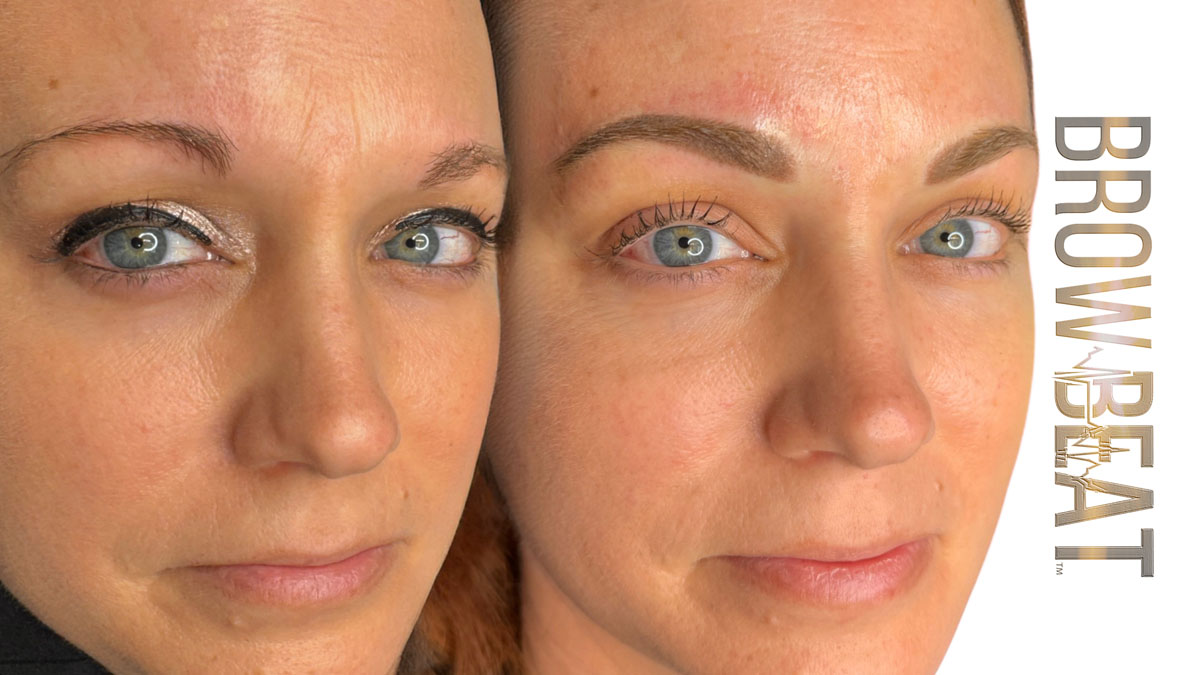
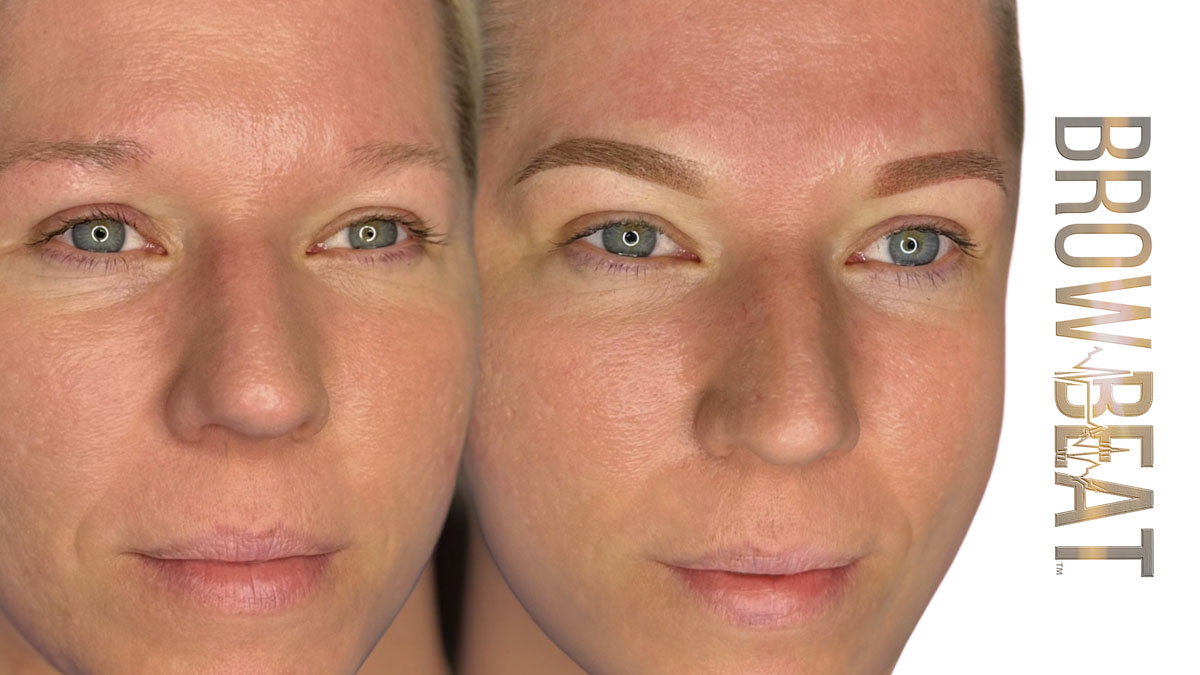
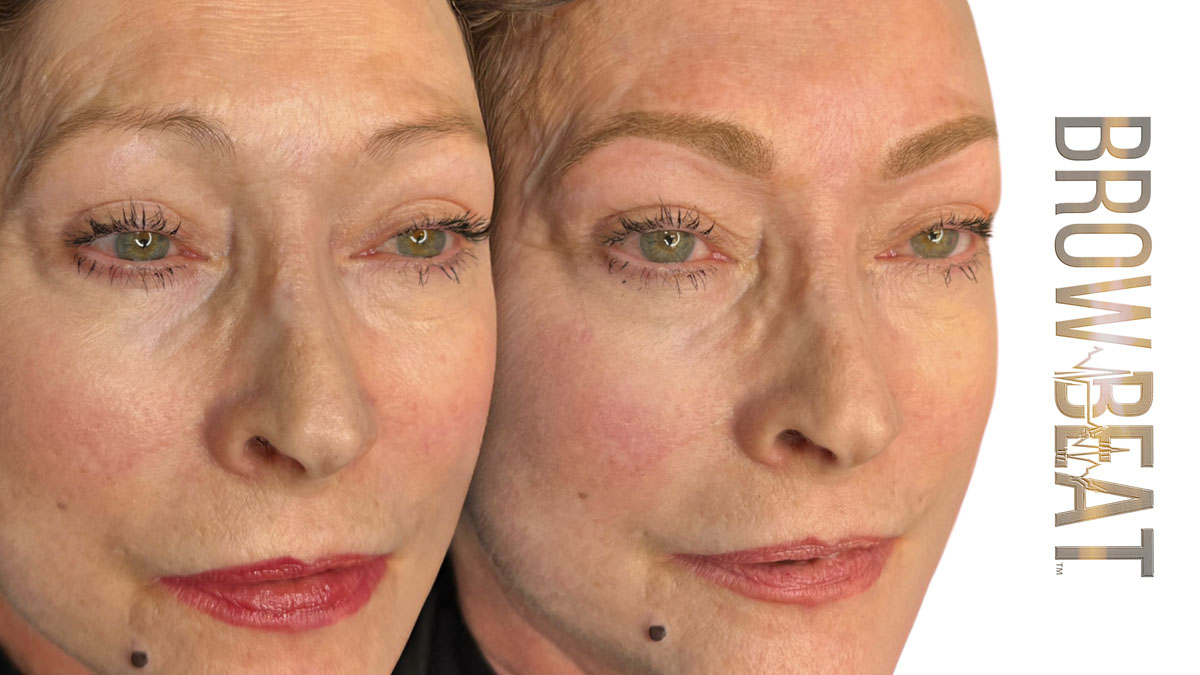
Seeing real restoration results helps clients better understand what modern brow techniques can achieve. Before-and-after images demonstrate how shading-based brow treatments recreate symmetry and fullness.
Explore real restoration results here:
Powder Brow Before and After Images Dallas
And additional transformation examples:
Ombré Powder Brow Before and After Images Dallas
What To Expect Next In Your Brow Restoration Journey
Understanding the underlying causes of eyebrow hair loss is the first step. In the next section, we will explore available brow restoration techniques in more detail, including why powder brows are often the preferred choice for long-term sustainability while microblading continues to serve as a beautiful cosmetic enhancement option.
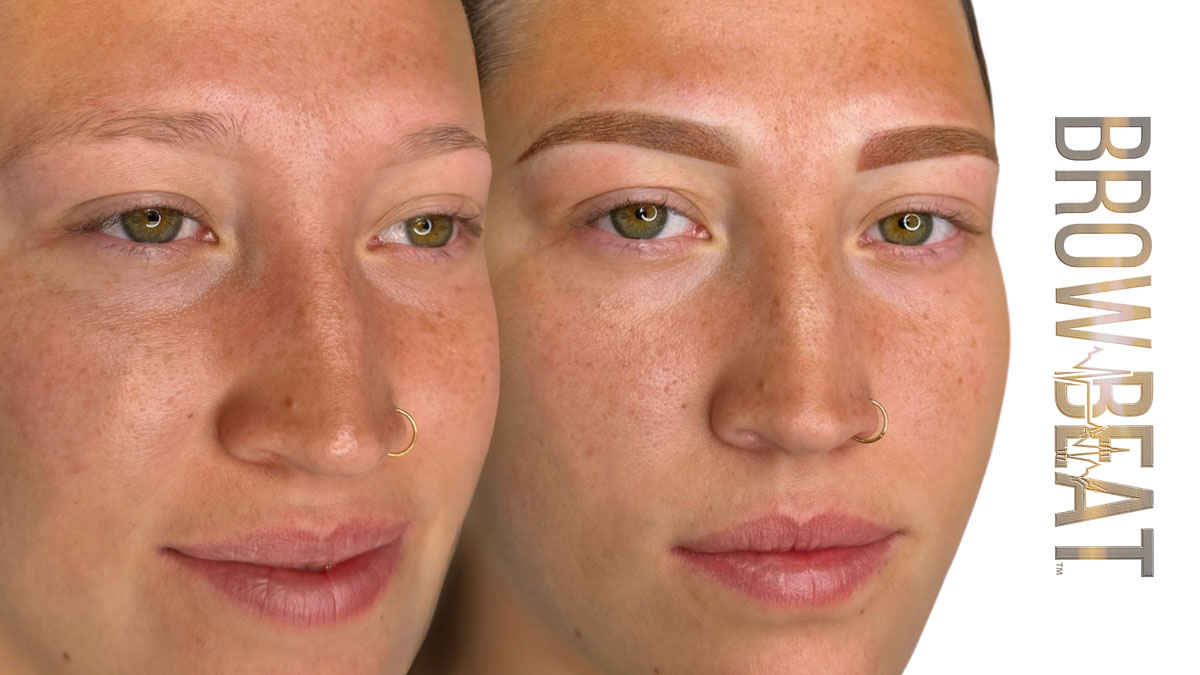
Modern Brow Restoration Techniques For Alopecia And Hair Loss Clients
Advancements in semi-permanent makeup have created multiple options for restoring eyebrow appearance. While cosmetic enhancement clients may choose between various brow styles, restorative clients experiencing alopecia or medical-related hair loss often require techniques that prioritize consistency, adaptability, and long-term stability.
The two most common brow restoration approaches include microblading and shading-based methods such as powder brows and ombré brows. Each technique offers unique benefits, but their long-term performance differs depending on skin condition and hair density.
Microblading: Beautiful Artistic Enhancement
Microblading is widely known for its ability to create fine hairstroke patterns that mimic natural brow hair. When performed by skilled artists, microblading can produce elegant, detailed results that enhance facial symmetry and expression.
For cosmetic enhancement clients with healthy skin and existing brow hair, microblading remains a popular choice. The technique adds definition while maintaining a natural hair-like appearance.
However, for alopecia and chemotherapy clients who experience partial or complete eyebrow hair loss, microblading may not always provide the most consistent long-term restoration. Because hairstroke techniques rely on visual contrast between pigment and natural hair, results may appear less uniform when hair density is minimal or absent.
This is why many restorative clients explore shading-based techniques as a more sustainable alternative.
Powder Brows And Shading: Long-Term Sustainability For Restoration Clients
Powder brows use a pixel shading technique that builds soft layers of pigment across the brow area. Rather than focusing on individual hair strokes, shading creates a smooth, blended density that resembles softly filled-in brows.
This approach offers several advantages for alopecia and hair loss clients:
- Consistent coverage across sparse or hairless areas
- Adaptable saturation levels for different skin sensitivities
- Smoother visual healing transitions
- More predictable long-term appearance
- Better support for ongoing maintenance cycles
Because powder brows do not rely on existing hair patterns, they allow artists to design complete brow structures that remain visually balanced even when natural hair is minimal.
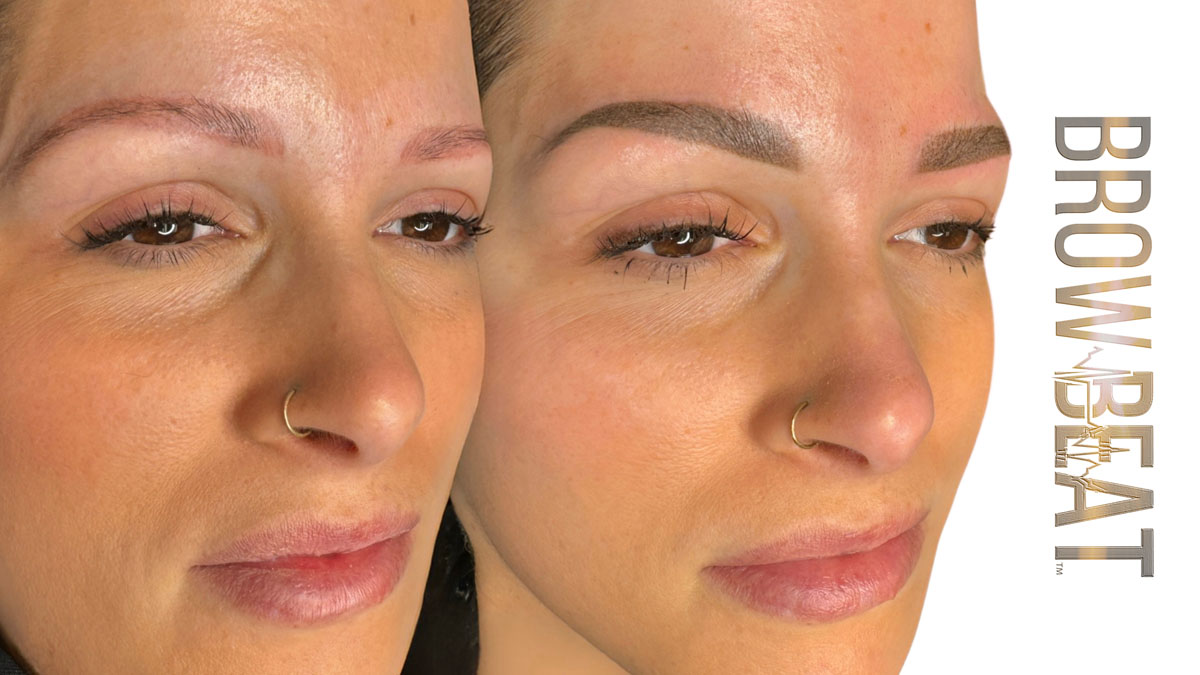
Why Shading Is Often Preferred For Alopecia Restoration
Restorative brow services require techniques that prioritize stability and adaptability. Many alopecia clients experience changes in hair growth patterns over time, which means brow solutions must remain flexible.
Shading techniques allow artists to adjust density, shape, and softness without being limited by existing hair placement. This makes powder brows especially effective for long-term restoration.
Clients often report that shading-based brows feel more natural during daily wear because they create a soft foundation that blends seamlessly with skin tone and facial features.
Powder Brows Vs Microblading For Hair Loss Clients
Both techniques can create beautiful results, but their application differs depending on restoration goals.
Microblading Is Often Chosen For:
- Cosmetic enhancement with existing brow hair
- Clients seeking fine hairstroke detail
- Natural texture emphasis
Powder Brows Are Often Preferred For:
- Alopecia-related eyebrow loss
- Chemotherapy recovery clients
- Hormonal thinning patterns
- Long-term density stability
- More uniform healing appearance
This distinction allows restorative clients to select techniques that better align with their long-term appearance goals.
Ombré Brows And Hybrid Techniques For Restoration
Some clients choose ombré powder brows or hybrid techniques that blend shading with soft definition. These methods combine gradient effects with structured shaping to create a balanced appearance.
Ombré brows gradually transition from lighter pigment at the brow head to deeper saturation at the tail, creating dimension while maintaining softness. This style works well for restoration clients who desire subtle makeup-inspired results without harsh lines.
Hybrid approaches may be used selectively depending on skin condition and restoration goals. However, shading remains the foundation for most alopecia-focused brow services.
Why Long-Term Planning Matters In Brow Restoration
Hair loss patterns can evolve over time. A sustainable brow restoration plan considers not only the initial treatment, but how results will age and adapt.
Powder brows allow for gradual layering during maintenance sessions, making it easier to adjust shape and density as facial features and skin conditions change. This flexibility is one reason many restorative clients prefer shading-based techniques over hairstroke-focused methods.

Visual Results And Restoration Proof
Seeing real transformation examples helps clients understand how shading techniques support brow restoration. Reviewing before-and-after images allows individuals to visualize how powder brows recreate symmetry and fullness.
You can explore restoration examples here:
Powder Brow Treatment Reviews Dallas
And view additional technique comparisons here:
Microblading Treatment Reviews Dallas
Choosing A Technique Based On Individual Needs
Every restoration case is unique. Skin condition, hair loss pattern, lifestyle, and personal preferences all influence technique selection.
Professional brow artists evaluate these factors when recommending appropriate solutions. While microblading remains a beautiful artistic option for cosmetic enhancement, powder brows and shading methods continue to emerge as the preferred long-term solution for alopecia and medically related hair loss restoration.
What Comes Next In The Restoration Process
After selecting the appropriate brow technique, understanding healing expectations becomes essential. In the next section, we will explore how alopecia and chemotherapy clients experience healing differently, what to expect during recovery, and how to support optimal results.
Healing Expectations For Alopecia And Chemotherapy Brow Restoration Clients
Healing after brow restoration can look different for clients experiencing hair loss compared to traditional cosmetic enhancement clients. Skin sensitivity, hormonal changes, and treatment history may influence how the skin responds during recovery.
Understanding realistic healing timelines and skin behavior helps clients feel more confident throughout the restoration process.
What To Expect During The First Week Of Healing
During the first few days after treatment, clients may experience mild redness, warmth, and slight swelling around the brow area. This is part of the skin’s natural response to pigment implantation.
Powder brows and shading techniques typically heal with softer visual transitions compared to hairstroke-focused methods. Many restorative clients report smoother flaking and more uniform appearance during the initial healing phase.
Common Early Healing Experiences Include:
- Temporary color intensity
- Mild skin sensitivity
- Dryness or tight sensation
- Light flaking as the skin regenerates
These reactions are temporary and gradually resolve as the skin stabilizes.
Weeks Two Through Four: Settling And Stabilization
As healing progresses, the brow area begins to normalize. Flaking decreases, pigment softens, and the skin continues regenerating beneath the surface.
For alopecia and chemotherapy clients, this phase is important because it allows artists to evaluate how pigment is settling and whether minor adjustments may be needed during maintenance sessions.
Most clients begin to see more consistent appearance during this stage, although full skin recovery continues for several weeks.
Long-Term Healing And Maintenance Cycles
While brows may appear healed on the surface within two weeks, deeper skin recovery typically continues for up to 4–8 weeks. This timeline allows pigment to stabilize and skin texture to fully normalize.
For restorative clients, long-term planning is essential. Powder brows allow controlled layering during future refresh appointments, making it easier to maintain consistent density and shape as hair patterns evolve.
Aftercare Support For Hair Loss Clients
Following proper aftercare guidelines plays a critical role in healing success. Restorative clients often benefit from gentle routines that support skin regeneration without unnecessary irritation.
Key aftercare principles include:
- Keeping the brow area clean and protected
- Avoiding excessive moisture during early healing
- Limiting friction or pressure on the brows
- Following professional care instructions
For a detailed healing routine, clients may find this resource helpful:
Microblading and Ombré Brow 14-Day Aftercare Guide
Sensitive Skin Considerations In Brow Restoration
Many alopecia and chemotherapy clients describe their skin as more sensitive or reactive than average. This may be due to hormonal changes, medical treatments, or immune-related conditions.
Powder brows offer controlled pigment placement that can be adjusted to suit sensitive skin types. Artists may modify saturation levels and application techniques to support comfort while maintaining natural appearance.
This adaptability is one of the reasons shading techniques are commonly chosen for restorative brow services.
Emotional Recovery And Confidence Restoration
Hair loss can affect more than physical appearance. For many clients, eyebrow loss impacts confidence, identity, and emotional well-being.
Restoring brow appearance often provides a sense of normalcy and helps clients feel more comfortable in social and professional settings. Subtle facial framing can significantly influence how individuals perceive themselves.
Powder brows support this emotional recovery by creating soft, natural-looking results that blend seamlessly with facial features.
Client Experience And Comfort During Restoration
Comfort during treatment is a priority for restorative clients. Professional studios focus on maintaining clean environments, clear communication, and supportive client care throughout the appointment process.
Clients who feel informed and supported often report higher satisfaction with their overall experience.
Why Choosing Experienced Professionals Matters
Brow restoration requires specialized technique selection and customization. Artists experienced in both microblading and shading techniques are better equipped to adapt treatments based on skin condition and restoration goals.
Experience also plays a role in pigment placement accuracy, symmetry design, and long-term planning for maintenance cycles.
To learn more about professional expertise and artist selection, explore:
Why Experience Matters When Choosing A Brow Artist
Preparing For Your Restoration Appointment
Clients preparing for brow restoration often benefit from reviewing treatment expectations, healing timelines, and aftercare guidelines in advance.
Understanding the process reduces anxiety and helps clients feel confident moving forward with their restoration journey.
What Comes Next In Your Brow Restoration Guide
In the final section, we will answer frequently asked questions about alopecia eyebrow restoration, explore long-term maintenance expectations, and provide additional educational resources to support informed decision-making.
Frequently Asked Questions About Alopecia Eyebrow Restoration
Can people with alopecia get eyebrow tattoo treatments?
Yes. Many individuals experiencing alopecia choose cosmetic brow restoration to recreate the appearance of fuller eyebrows. While results vary by skin type and hair loss pattern, shading-based techniques such as powder brows are often preferred because they provide uniform density and adaptable coverage.
Is microblading an option for alopecia clients?
Microblading remains a beautiful artistic technique and may be suitable for select cosmetic enhancement clients. However, for alopecia and chemotherapy-related hair loss, powder brows and shading techniques are often chosen for long-term sustainability and visual consistency.
How long does eyebrow restoration last?
Semi-permanent brow treatments typically maintain visible results for approximately 12–18 months depending on skin type, lifestyle, and aftercare habits. Maintenance appointments allow clients to refresh density and shape over time.
Do powder brows heal differently than microblading?
Powder brows generally heal with smoother visual transitions and more uniform flaking patterns. Because pigment is layered gradually, many restorative clients experience softer healing and more consistent long-term appearance.
Is eyebrow restoration painful for sensitive clients?
Comfort levels vary by individual. Professional studios use techniques designed to support client comfort while maintaining effective pigment placement. Powder brows allow controlled application that can be adjusted for sensitive skin.
Long-Term Maintenance For Alopecia Brow Restoration
Eyebrow restoration is not a one-time event. Over time, pigment gradually softens and fades as the skin naturally regenerates. Maintenance sessions allow artists to refresh brow structure while preserving natural appearance.
For alopecia clients, powder brows offer flexibility in long-term care. Density can be gradually layered during refresh sessions without overloading the skin, making shading techniques well suited for sustainable restoration.
Why Powder Brows Support Long-Term Restoration Goals
One of the main reasons powder brows are frequently recommended for hair loss clients is their adaptability. As hair patterns change over time, shading-based techniques allow artists to adjust shape and density while maintaining a soft, balanced look.
This flexibility supports both aesthetic longevity and emotional confidence for restorative clients.
Dallas Eyebrow Restoration Services And Local Expertise
Dallas has become a hub for advanced semi-permanent makeup services, including restorative brow treatments. Clients seeking alopecia eyebrow restoration often look for studios that specialize in both cosmetic and paramedical-style techniques.
Working with experienced professionals ensures that technique selection, pigment placement, and long-term planning are tailored to individual needs.
To view local restoration examples and results, explore:
Powder Brow Before and After Images Dallas
Education And Preparation Before Scheduling
Clients who educate themselves about brow restoration options tend to feel more confident when scheduling services. Understanding technique differences, healing expectations, and maintenance planning helps ensure realistic expectations.
If you would like to learn more about healing timelines and post-treatment care, you may find this helpful:
Healing Process: Microblading and Powder Brows
Supporting Confidence Through Restorative Brow Services
Eyebrow restoration is not only about aesthetics — it is about helping clients feel comfortable, confident, and supported throughout their hair loss journey.
Powder brows and shading techniques allow individuals to regain a sense of facial balance while maintaining natural-looking results that integrate seamlessly into everyday life.
Choosing The Right Brow Restoration Path
Every client’s restoration needs are unique. Skin type, hair loss pattern, lifestyle, and desired appearance all influence technique selection.
While microblading remains a beautiful artistic enhancement option, shaded brow techniques continue to be the preferred long-term solution for alopecia and chemotherapy-related hair loss due to their consistency and sustainability.
Explore Additional Brow Education Resources
Continue learning about modern brow techniques and restoration options:
- Microblading Treatment Reviews Dallas
- Ombré Powder Brow Results Dallas
- Why Experience Matters When Choosing A Brow Artist
Schedule Your Brow Restoration Appointment
If you are considering eyebrow restoration for alopecia or hair loss, scheduling an appointment with a professional studio allows you to explore personalized treatment options.
To learn more about available services and book your appointment, visit:
https://www.browbeatstudio.com/
Semi-Permanent Makeup Resources: