

If you’re navigating eyebrow hair loss from chemotherapy or alopecia, you’re not starting from the same baseline as someone booking brows purely for convenience or style. Hair loss can shift more than just “how many hairs you have.” It can change the way the skin behaves, how it heals, and how pigment may settle over time—especially in the brow area where the skin is naturally thin and expressive.
This is why the best long-term results often start with one simple mindset: choose a technique that respects the skin you have today, not the brows you used to have. If you’re weighing your options right now, you may find this comparison helpful: microblading vs powder brows in 2025
Chemo-Related Brow Changes
Chemo can create a “temporary reset” in hair growth patterns, including brows. Some clients see gradual regrowth, others see partial regrowth, and some experience long-term sparseness. Even when the skin looks normal, it can feel more reactive during healing—meaning your aftercare and technique selection matter more than ever.
- Hair follicles may be inactive or inconsistent, changing how natural brow texture returns.
- Skin can feel more sensitive, especially if the body is still rebuilding resilience post-treatment.
- Healing can vary from person to person depending on timing, medications, and overall recovery.
Alopecia-Related Brow Changes
Alopecia can affect brows in a different way. Because it’s often autoimmune in nature, hair loss can be unpredictable—patchy, total, or fluctuating over time. That means the goal isn’t just “put pigment where hair is missing.” The goal is a brow plan
that creates balance and softness now, while still looking natural if your hair pattern changes later.
- Patchiness can shift over months, so brow structure matters as much as color.
- Skin may be easily irritated depending on the type of alopecia and what the body is doing.
- Long-term strategy matters because maintenance should feel predictable, not stressful.
Why This Matters Before You Choose a Brow Technique
When brow hair is sparse or absent, the technique has to do more “visual work.” That’s where clients often start comparing microblading, ombré powder brows, and soft shading approaches. It also becomes especially important to consider skin tone and how different complexions may respond during healing—this guide breaks that down clearly:
microblading vs ombré powder brows for high melanin and low melanin skin.
And because medically-sensitive clients typically want the cleanest, calmest heal possible, your aftercare plan should be
just as intentional as the treatment plan. If you want a modern, updated breakdown to reference as you continue reading, keep this bookmarked:
microblading aftercare in 2025.
Next, we’ll get specific about technique choice—and why many chemo and alopecia clients lean toward powder-style results when they’re thinking beyond “today” and focusing on what looks stable, soft, and wearable long-term.

Why Hair Loss From Chemotherapy and Alopecia Changes Everything About Brow Restoration
When someone experiences eyebrow loss from chemotherapy, alopecia, hormonal shifts, or autoimmune conditions, the skin underneath those brows is not the same as untouched skin. This matters more than most people realize.
Hair loss caused by medical treatments and conditions often comes with changes in skin sensitivity, barrier function, hydration levels, and collagen density. These factors directly affect how pigment settles, heals, and ages over time.
This is exactly why restoration-focused brow work cannot be approached the same way as cosmetic enhancement for someone with full natural brow growth. The technique, pigment placement, pressure control, and long-term maintenance strategy must all shift.
What Happens to Brow Skin After Chemo and Alopecia?
During chemotherapy and long-term hair loss conditions, the body diverts energy toward survival and healing. Skin regeneration slows down. The result is often thinner, more delicate tissue with increased sensitivity and reduced elasticity.
In real-world studio settings, this can present as:
- Skin that reacts faster to trauma
- Longer healing timelines
- Higher risk of uneven pigment retention
- Greater susceptibility to dryness and flaking
- Reduced oil balance, which affects pigment stability
Understanding these changes is critical when selecting between hairstroke techniques and shading-based approaches. Many clients come in assuming microblading is the “natural” choice — but in medically compromised skin, that assumption can lead to disappointing long-term outcomes.
Why Technique Choice Becomes a Long-Term Decision — Not Just a Cosmetic One
For clients rebuilding brows after medical hair loss, the goal is not just immediate appearance. It’s about sustainability.
Brows must be designed to age gracefully, fade evenly, and require manageable upkeep. This is especially important for individuals who already navigate medical follow-ups, treatments, and recovery schedules.
When evaluating long-term brow planning, many clients begin by comparing different semi-permanent options and exploring the evolving differences between microblading and powder brow methods as skin maturity, healing behavior, and pigment longevity come into play.
For restoration cases, stability matters more than trend appeal.
The Emotional Side of Brow Loss Is Just as Important
Hair loss is never just physical. For many chemo and alopecia clients, eyebrows represent identity, expression, and emotional recovery.
Rebuilding brows is often one of the final visible milestones that signals healing and progress. That makes trust, comfort, and predictable outcomes extremely important.
This is why experienced artists focus on techniques that create consistent results across varying skin conditions instead of approaches that rely heavily on natural hair density to mask inconsistencies.
Clients who take time to research artist experience levels and long-term technique performance tend to feel more confident moving forward — especially when choosing providers known for working with sensitive, mature, and medically impacted skin.

Why Powder-Based Techniques Are Becoming the Preferred Choice for Restoration
Across the industry, powder brow methods have become increasingly popular for clients seeking stability and long-term softness rather than hyper-defined hairstrokes.
Powder brows use a gentle shading approach that allows pigment to sit more evenly within the skin. This often results in:
- Smoother healing phases
- More predictable fading patterns
- Reduced trauma to fragile skin
- Better coverage for sparse or absent hair
- A softer, makeup-inspired finish
Many restoration clients discover this option after learning about modern semi-permanent makeup advancements and how powder techniques now outperform traditional methods for certain skin types.
For chemo and alopecia clients, this shift represents more than aesthetic preference — it reflects an evolution toward safer, more adaptive brow solutions.
Setting Expectations: Restoration Is a Journey, Not a One-Time Appointment
One of the most important conversations in medical brow restoration is timeline awareness.
Unlike cosmetic brow enhancements on untreated skin, restoration work often involves layered sessions, gradual pigment building, and thoughtful long-term planning.
This aligns with realistic maintenance expectations many clients already understand from skincare and cosmetic tattoo care. Learning how aftercare routines and annual maintenance influence results allows clients to make informed decisions and avoid unrealistic promises.
When expectations are set properly, the experience becomes empowering instead of stressful.
And that is exactly where true transformation begins.
Why Powder Brows Perform Better Long-Term for Chemo and Alopecia Clients
When rebuilding eyebrows after medical hair loss, longevity is not just a preference — it is a necessity.
Clients who have experienced chemotherapy, alopecia, or autoimmune-related thinning typically want a solution that holds its shape, fades evenly, and does not require constant correction. This is where powder brow techniques consistently outperform traditional hairstroke methods.
Even Pigment Distribution Creates Predictable Healing
Powder brows use soft pixel shading rather than incisions that attempt to mimic individual hairs. This allows pigment to distribute evenly throughout the upper dermis instead of concentrating into narrow channels.
For compromised or sensitive skin, this results in:
- Reduced trauma during application
- Smoother healing cycles
- Lower risk of patchiness
- More uniform color retention
- A softer fade pattern over time
This predictable healing pattern is one of the main reasons many restoration clients choose powder brow methods after researching the long-term performance differences between microblading and powder brow techniques.
Why Hairstrokes Can Become Problematic in Hair Loss Recovery
While microblading can appear appealing for creating the illusion of natural hair, it often relies on surrounding hair growth to blend seamlessly.
For clients with minimal regrowth, thin skin, or ongoing hair loss cycles, this can create visible spacing, uneven fading, and maintenance challenges.
In contrast, powder shading creates a soft makeup-style base that does not depend on natural hair density to look complete.
This is especially important for alopecia clients who may experience fluctuations in regrowth patterns over time.
Powder Brows Offer Better Coverage for Sparse or Absent Hair
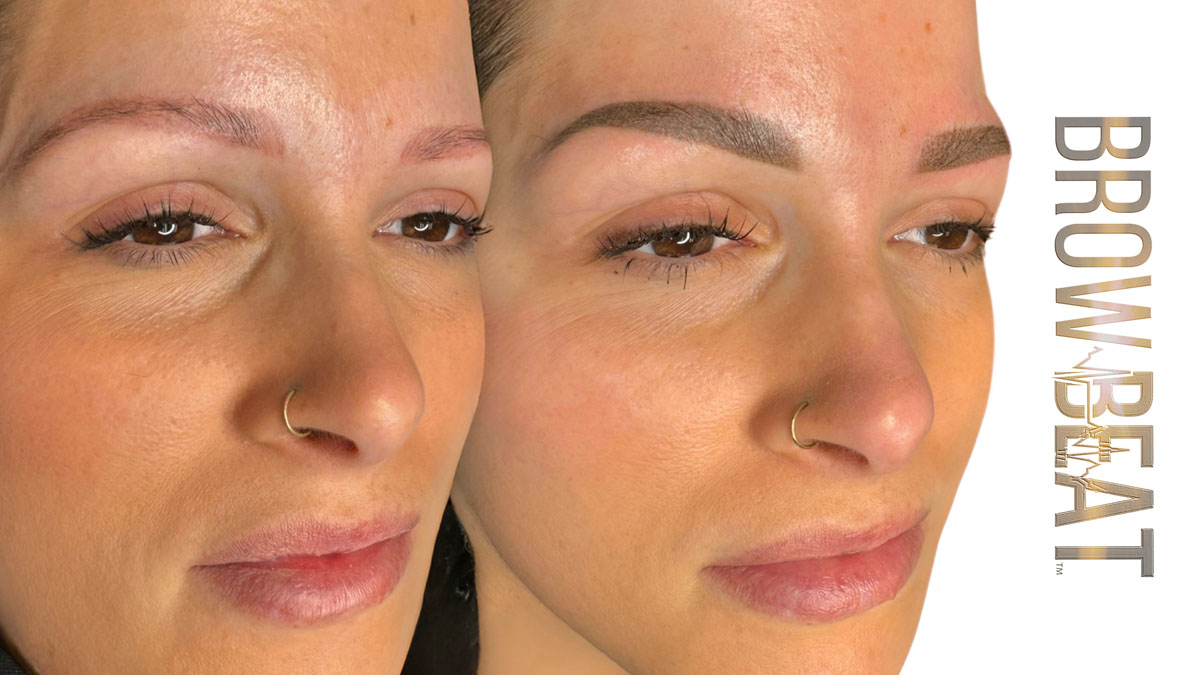
One of the biggest advantages of powder techniques is coverage control.
Rather than trying to mimic individual strands, shading allows artists to build dimension and shape regardless of hair presence. This gives clients freedom from worrying about whether their brows will “match” regrowth patterns.
For many chemo survivors, this consistency becomes emotionally reassuring. The brows remain balanced and polished even as hair cycles fluctuate.
Maintenance Is More Predictable With Powder Brows
Clients undergoing medical recovery often want clarity about upkeep expectations.
Powder brows typically fade more evenly than hairstroke techniques, which makes maintenance sessions easier to plan and results easier to refresh.
Understanding how annual maintenance affects semi-permanent brows allows clients to avoid sudden color shifts or uneven fading surprises.
This stability is one of the main reasons powder brows continue gaining momentum as the preferred long-term choice for restoration-focused clients.
Modern Powder Techniques Are Not the “Block Brows” of the Past
One of the biggest misconceptions about powder brows is that they create heavy or unnatural results.
Today’s advanced shading techniques allow for gradient transitions, soft fronts, and natural depth — especially when tailored for skin that has experienced medical treatments.
Clients exploring the evolution of modern powder brow methods quickly realize that today’s results look nothing like outdated tattooed brows.
Instead, they offer a refined, elegant finish that complements facial structure and supports long-term wearability.
For chemo and alopecia clients, this balance of softness and durability becomes the foundation for confident restoration.
Why Experience Matters When Restoring Brows After Chemotherapy and Alopecia
Not all brow work is created equal — and this becomes even more important when working with clients who have experienced hair loss due to chemotherapy, autoimmune conditions, or long-term thinning.
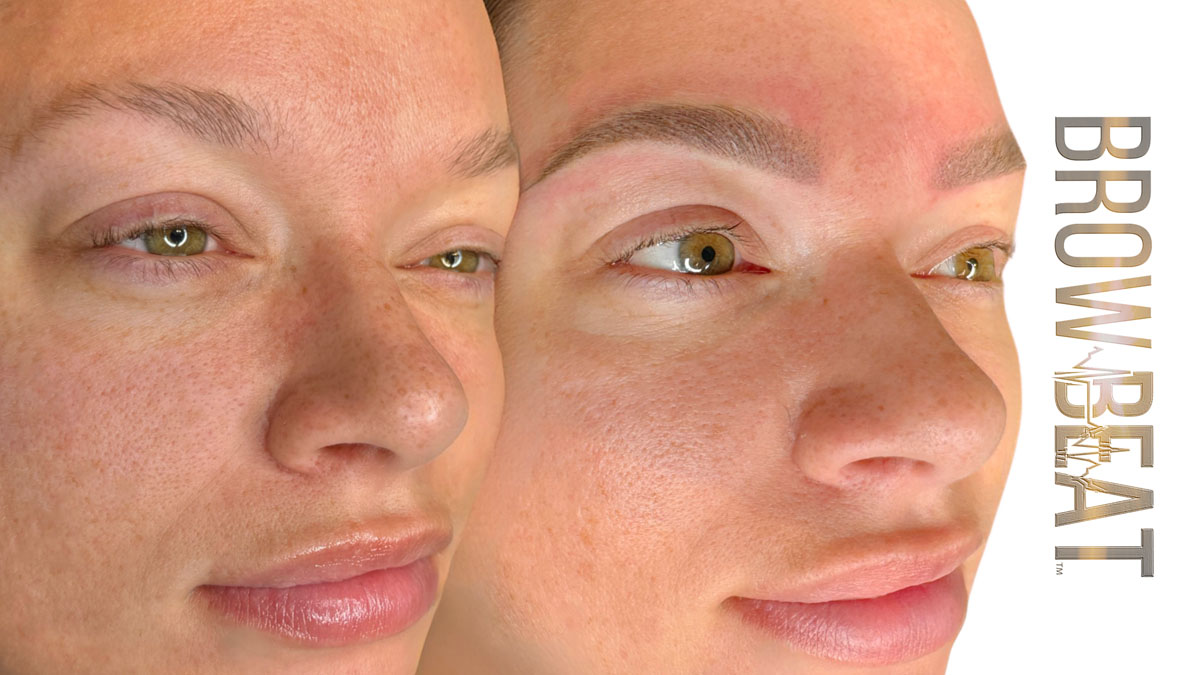
Medical-related brow restoration requires a deeper understanding of skin behavior, healing patterns, pigment stability, and emotional care. It is not simply about creating a beautiful brow shape. It is about building results that remain wearable, comfortable, and predictable over time. View our gallery at See Us In Action – BrowBeat Studio ™ Dallas | Microblading Certification and Training Academy | USA
Specialized Knowledge Makes a Difference
Artists who regularly work with medically sensitive clients understand how to adjust technique based on individual skin response. This includes modifying pressure, pigment saturation, layering strategy, and overall treatment pacing.
For clients recovering from chemotherapy or managing alopecia, these details matter because they directly affect comfort during treatment and outcome quality after healing.
Many clients choose providers with long-standing experience specifically because of this level of adaptability and technical control.
Safety and Skin Integrity Come First
One of the most important priorities for restoration-focused brow services is protecting skin integrity.
This means avoiding overly aggressive techniques, preventing unnecessary trauma, and ensuring pigment placement stays within safe depth ranges.
For clients whose immune systems have recently recovered or whose skin barrier may be compromised, these precautions help reduce irritation and support smoother healing.
Why Studio Environment Matters for Medical Clients
The treatment environment plays a larger role than many people realize.
For chemo and alopecia clients, comfort, cleanliness, privacy, and emotional ease are just as important as technical skill. Calm spaces, clear communication, and structured appointment flow help reduce anxiety and create a more supportive experience.
This is one reason many clients choose established studios with consistent treatment protocols and experienced staff rather than seeking quick or low-cost alternatives.
Choosing a Provider Who Thinks Long-Term
Medical brow restoration should never be rushed.
The best results come from artists who prioritize long-term planning rather than short-term trends. This includes designing brows that will age gracefully, fade evenly, and remain adaptable as skin and hair patterns change.
Clients who explore long-term brow planning often feel more confident moving forward because they understand that their brows are part of an ongoing journey, not a one-time procedure. Join our success stories, book at: Booking – BrowBeat Studio Dallas Advanced Eyebrow Microblading Experts
Why Established Experience Builds Confidence
Working with a studio that has a long history in semi-permanent makeup allows clients to benefit from years of hands-on case experience.
For individuals navigating recovery, this experience brings peace of mind. Knowing that your provider has successfully worked with a wide range of skin types, sensitivities, and restoration cases helps remove uncertainty from the process.
That confidence allows clients to focus on healing, self-care, and reclaiming their sense of self — instead of worrying about unpredictable results.
Healing Timelines and Maintenance Planning for Chemo and Alopecia Brow Restoration
One of the most important parts of eyebrow restoration for chemo and alopecia clients is understanding that healing and maintenance follow a different rhythm than purely cosmetic brow treatments.
When skin has experienced medical stress, it often needs additional patience and care. Setting realistic expectations early helps create smoother results and a more positive overall experience.
What the Initial Healing Phase Looks Like
After a powder brow or shading-based treatment, most clients experience a short visible healing period. This is completely normal and part of the pigment stabilization process.
Typical healing phases may include:
- Slight darkening during the first few days
- Light flaking or dryness as the skin renews
- Gradual softening of color over the first two weeks
- Final color settling between weeks four and eight
For clients who have undergone chemotherapy or who manage alopecia, healing may progress slightly slower or feel more noticeable. This is why gentle aftercare routines and hydration-focused skin support are essential.
The Role of the Second Treatment
Eyebrow restoration is rarely completed in a single appointment.
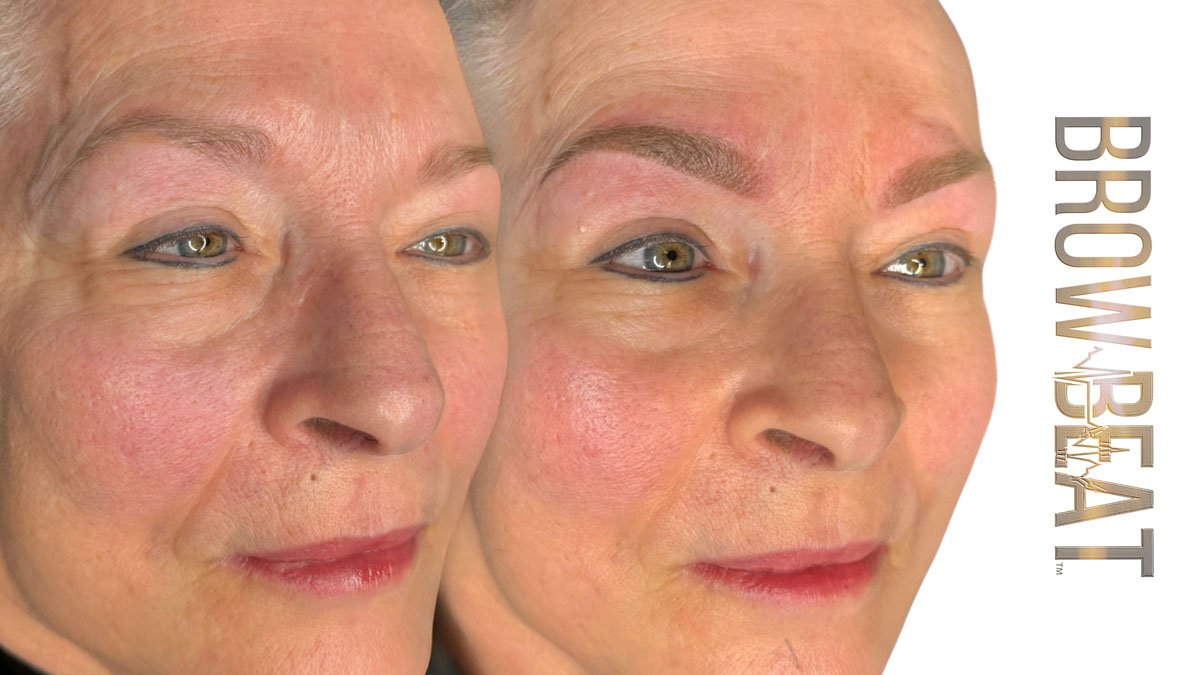
A second treatment allows artists to refine shape, reinforce pigment where needed, and adjust tone after the skin has fully healed from the initial session.
This step is especially valuable for medical clients because skin response can vary depending on healing speed and pigment retention.
Rather than viewing this as a correction, many clients see the second session as part of the restoration process — similar to layering paint to create a finished masterpiece.
Long-Term Maintenance Expectations
Semi-permanent makeup is designed to fade gradually over time. This is intentional.
For chemo and alopecia clients, this fading process allows brows to remain adaptable as hair regrowth patterns, skin tone, and facial features evolve.
Most clients plan maintenance sessions periodically to refresh softness and color balance. Understanding maintenance expectations ahead of time helps prevent surprises and keeps results looking polished.
Why Fading Is Actually Beneficial
Unlike traditional tattoos, semi-permanent brow pigments are formulated to soften naturally.
This gradual fading allows clients to adjust shape, depth, and color with future treatments. It also ensures brows do not become heavy or outdated as trends and personal preferences change.
For individuals rebuilding confidence after hair loss, this flexibility offers peace of mind. Learn about the treatment process at: Treatment Process – BrowBeat Studio Dallas Advanced Eyebrow Microblading Experts
Supporting Healing Through Lifestyle Awareness
Healing is not only influenced by the procedure itself — it is also affected by daily habits.
Hydration, skincare routines, sun exposure, and overall wellness all play roles in how pigment settles and how long results last.
Clients who approach brow restoration with a holistic mindset often experience smoother healing and longer-lasting satisfaction with their results.
By understanding these factors early, chemo and alopecia clients can take an active role in supporting their own restoration journey.
Reclaiming Confidence Through Brow Restoration
For many clients, restoring eyebrows after chemotherapy or alopecia represents more than a cosmetic change — it symbolizes healing, progress, and reclaiming identity.
Brows frame the face. They shape expression. They quietly influence how we recognize ourselves in the mirror. When hair loss interrupts that connection, rebuilding brows becomes part of the emotional recovery journey.
Why Restoration Is About More Than Appearance
Clients who seek brow restoration after medical hair loss often describe the experience as empowering. Seeing brows return — even in a soft, shaded form — can restore a sense of normalcy after months of physical and emotional change.
This is why thoughtful technique selection, compassionate service, and realistic planning matter so much.
When brows are designed to complement healing skin and future maintenance, clients feel supported instead of pressured. The experience becomes one of care, not urgency.
Choosing Long-Term Confidence Over Temporary Trends
Trends will always come and go in the beauty industry. But restoration clients benefit most from techniques that prioritize stability, softness, and long-term adaptability.
Powder brow methods offer flexibility as skin and hair patterns evolve. They allow gradual adjustments over time without forcing clients into rigid shapes or permanent commitments.
This future-focused approach aligns beautifully with the recovery mindset — honoring where you are now while preparing for where you’re going.
Your Brow Restoration Journey Is Personal
No two recovery stories are the same.
Some clients experience partial regrowth. Others remain hairless long-term. Some want subtle enhancement, while others prefer stronger structure. What matters most is that your brows are designed around your needs, your skin, and your lifestyle.
By choosing a provider who understands medical sensitivity and long-term planning, you create space for results that feel natural, comfortable, and empowering.
Moving Forward With Confidence
If you are navigating eyebrow loss from chemotherapy, alopecia, or medical treatments, know that restoration is possible — and it does not need to feel overwhelming.
With the right technique, thoughtful planning, and realistic expectations, brow restoration can become one of the most positive milestones in your recovery journey.
Your brows can once again reflect strength, resilience, and self-expression — and that transformation begins with informed, compassionate care.