
Last Updated: January 2026
When people search for microblading, they often think they’re just looking for better eyebrows. What they’re really searching for is something deeper — a sense of normalcy, confidence, and identity that may have been disrupted by illness, hair loss, aging, or major life changes.
For clients who have experienced chemotherapy, alopecia, hormonal shifts, or stress-related hair loss, eyebrow restoration is not a cosmetic trend. It’s a form of emotional recovery. Losing eyebrows can feel surprisingly personal. Brows frame the face. They carry expression. They influence how we recognize ourselves in the mirror. When they disappear, many clients describe feeling invisible, unfinished, or disconnected from their reflection.
This is the truth most beauty blogs never talk about — brow restoration is not just about pigment or shape. It’s about rebuilding confidence after loss.
At BrowBeat Studio Dallas Advanced Microblading Experts, we’ve worked with thousands of clients over nearly a decade who come to us not just for aesthetic improvement, but for emotional restoration. Experience matters in this space, especially when working with clients who are navigating sensitive skin, fragile hair regrowth, or post-treatment recovery phases (experience matters when choosing your brow artist).
For many recovery clients, the first appointment is emotional. Some bring photos of how their brows used to look. Others explain how cancer treatment changed their appearance. Some simply say, “I just want to feel like myself again.” These moments shape how we approach restorative brow work.
Eyebrow restoration should never feel rushed or transactional. It requires patience, customization, and long-term planning. That’s why modern brow studios are shifting away from short-term solutions and focusing on sustainable, soft, skin-friendly techniques that age well and adapt to the client’s healing journey (best powder brow techniques for long-term results).
This blog is not about selling a trend. It’s about telling the truth: eyebrow restoration is a personal journey. Whether your brow loss comes from medical treatment, autoimmune conditions, thinning hair with age, or years of over-plucking, the goal is not perfection — it’s confidence, balance, and feeling comfortable in your own skin again.
In the next section, we’ll explore the most common medical and lifestyle reasons clients lose eyebrow hair — and why understanding the cause of brow loss plays such an important role in choosing the right restoration approach.
Why People Lose Their Eyebrows: Medical, Hormonal, And Life-Related Causes
Eyebrow hair loss rarely happens for just one reason. In most cases, it is the result of multiple overlapping factors — physical stress on the body, medical treatment, autoimmune responses, hormonal changes, or the natural aging process. Understanding why brows disappear helps clients make informed, compassionate decisions about restoration.
At BrowBeat Studio Dallas Advanced Microblading Experts, many recovery clients arrive feeling confused or frustrated because brow loss often happens gradually or unexpectedly. It can feel sudden, but the body usually signals change long before visible hair loss becomes noticeable.
Chemotherapy And Medical Treatment-Related Brow Loss
One of the most emotionally impactful causes of eyebrow loss is chemotherapy and medical treatment. Cancer therapies are designed to target rapidly dividing cells, which unfortunately includes hair follicles. While scalp hair is the most commonly discussed side effect, eyebrow and eyelash loss can feel even more distressing because it alters facial identity.
For many clients, eyebrow loss becomes one of the most visible reminders of illness. Even after treatment ends, hair regrowth can be slow, uneven, or incomplete. Some follicles recover fully. Others remain dormant for extended periods. This creates a wide range of recovery timelines, making personalized brow planning essential.
Because of this variability, experienced studios focus on building soft, flexible restoration plans that support long-term skin health and evolving hair patterns rather than one-size-fits-all solutions (thinking about the future of your brows).
Alopecia And Autoimmune Brow Loss
Alopecia is another common reason clients seek brow restoration services. This autoimmune condition causes the immune system to mistakenly attack hair follicles, leading to patchy or complete hair loss on the scalp, eyebrows, eyelashes, and body.
Unlike temporary shedding, alopecia patterns can be unpredictable. Some clients experience spontaneous regrowth. Others see recurring cycles of loss. Some live with permanent absence of brow hair. Because of this unpredictability, restoration work must prioritize adaptability and longevity.
For alopecia clients, restoration is not about chasing trends. It’s about creating stable, natural-looking density that holds its structure even when hair growth is minimal or absent. That’s why shading and powder-based brow techniques have become increasingly popular for long-term sustainability (best semi-permanent makeup techniques for modern clients).
Hormonal Changes And Life Transitions
Hormonal shifts also play a major role in eyebrow thinning. Pregnancy, postpartum recovery, menopause, thyroid disorders, and hormonal imbalances can all disrupt the natural hair growth cycle.
During these phases, clients may notice slower regrowth, finer brow hair, or uneven density across the brow line. These changes are often gradual, which makes them emotionally challenging. Many clients don’t realize how much their brows have changed until they compare old photos or notice makeup techniques no longer work the same way.
Because hormonal brow thinning can fluctuate over time, restoration strategies should emphasize softness and flexibility rather than rigid hairstroke replication. Powder and shading techniques allow for adaptable density that complements both current and future changes.
Stress, Illness, And Lifestyle Factors
Chronic stress, nutritional deficiencies, sleep disruption, and illness can also contribute to brow thinning. The body often prioritizes vital systems over hair production during periods of physical or emotional strain.
Clients experiencing burnout, grief, autoimmune flare-ups, or major lifestyle changes frequently report increased hair shedding — including eyebrows. While these situations may improve over time, the emotional impact can linger, prompting clients to seek restorative cosmetic solutions.
Aging And Natural Hair Thinning
As we age, hair follicles naturally become less productive. Brow hairs may grow finer, shorter, and more sparsely. This is not a failure of skincare or beauty routines — it is a biological reality.
Mature clients often seek brow services not to look dramatically different, but to restore softness and balance to facial features. This is one reason powder brow techniques have gained traction among mature clients who want results that age gracefully and remain visually stable (why mature clients often prefer powder brows).
Why Understanding The Cause Of Brow Loss Matters
One of the biggest mistakes clients make is treating eyebrow restoration as a single appointment decision instead of a long-term skin and confidence investment.
Different causes of brow loss require different approaches. A chemo recovery client needs a different plan than a hormonal thinning client. Someone with alopecia requires different visual strategies than someone experiencing natural aging. Understanding these distinctions allows artists to build safer, more sustainable brow designs.
Long-term planning also reduces disappointment. Clients who understand their hair loss journey are better prepared to choose restoration techniques that support stability, comfort, and lasting satisfaction rather than chasing temporary trends.
In the next section, we’ll explore how modern brow restoration has evolved — and why many recovery-focused clients are shifting away from traditional hairstroke-only approaches and toward powder and shading techniques that offer stronger long-term results.
Modern Brow Restoration: How Clients Are Rebuilding Confidence After Hair Loss
Eyebrow restoration has evolved dramatically over the past decade. What was once focused primarily on cosmetic enhancement has now expanded into a more supportive, recovery-centered approach for clients experiencing hair loss due to medical treatment, autoimmune conditions, hormonal changes, and aging.
Today’s brow restoration is not about following trends. It is about rebuilding facial balance, restoring expression, and helping clients reconnect with their identity after physical changes.
For recovery-focused clients, the most important goal is not dramatic transformation — it is natural appearance, comfort, and long-term stability.
Why Brow Restoration Is Different From Cosmetic Brow Enhancement
Cosmetic brow enhancement is often driven by beauty trends, makeup-inspired looks, and temporary style preferences. Brow restoration, on the other hand, serves a much deeper purpose.
Clients seeking restoration are often navigating emotional recovery alongside physical change. Many describe feeling less recognizable to themselves after losing their eyebrows. This emotional weight changes how restoration services should be approached.
Restorative brow work requires:
- Greater sensitivity to emotional well-being
- Long-term planning instead of one-time treatments
- Techniques that adapt to changing skin and hair patterns
- Design choices that prioritize softness and realism
This is why experienced studios approach recovery clients differently than standard cosmetic brow appointments.
The Shift Away From Short-Term Beauty Solutions
Many clients initially explore temporary brow solutions such as makeup products, brow fibers, pencils, stencils, and even eyebrow extensions. While these options may provide quick cosmetic fixes, they often become frustrating over time.
Daily application routines can feel exhausting. Results may change throughout the day. Sweat, humidity, and activity can disrupt appearance. For clients already dealing with health challenges or emotional recovery, this constant upkeep becomes an unnecessary burden.
As a result, more clients are seeking long-term brow solutions that allow them to wake up with brows already in place — without daily reapplication.
Why Sustainable Brow Techniques Matter For Recovery Clients
Sustainability in brow restoration means more than longevity. It means choosing techniques that work harmoniously with the skin, adapt to healing cycles, and remain visually balanced over time.
Recovery-focused clients benefit from brow methods that:
- Create consistent density even without natural hair
- Maintain soft appearance as pigment settles
- Allow gradual maintenance rather than constant reapplication
- Support evolving skin conditions
- Age naturally with facial features
This has driven increased interest in shading and powder-based brow techniques.
Microblading In Brow Restoration: Artistic But Situational
Microblading remains a respected and beautiful artistic technique. It creates hair-like strokes that can enhance brows when natural hair is present and skin conditions are suitable.
For some recovery clients with partial hair regrowth or stable skin characteristics, microblading may provide texture and definition.
However, microblading relies heavily on visual contrast between pigment strokes and surrounding skin. For clients with limited hair growth, sensitive skin, or unpredictable regrowth patterns, this approach may not always offer the most consistent long-term appearance.
This is why many restoration-focused studios now treat microblading as one option within a broader restoration toolkit rather than the default solution.
Powder Brows And Shading: The Foundation Of Modern Brow Recovery
Powder brows and shading techniques have become central to modern brow restoration because they allow artists to build structure without relying on individual hair simulation.
Instead of drawing isolated strokes, shading techniques layer pigment gradually to create soft density that mimics the look of naturally filled brows.
This method offers several advantages for recovery clients:
- Consistent appearance even with minimal hair growth
- Smoother blending with natural skin tone
- Greater control over density and shape
- Improved adaptability over time
- More predictable long-term results
Because powder brows distribute pigment evenly, they provide visual stability that many recovery clients prefer.
Why Shading-Based Techniques Support Emotional Healing
Restoring eyebrows is not only about physical appearance. It also impacts emotional recovery.
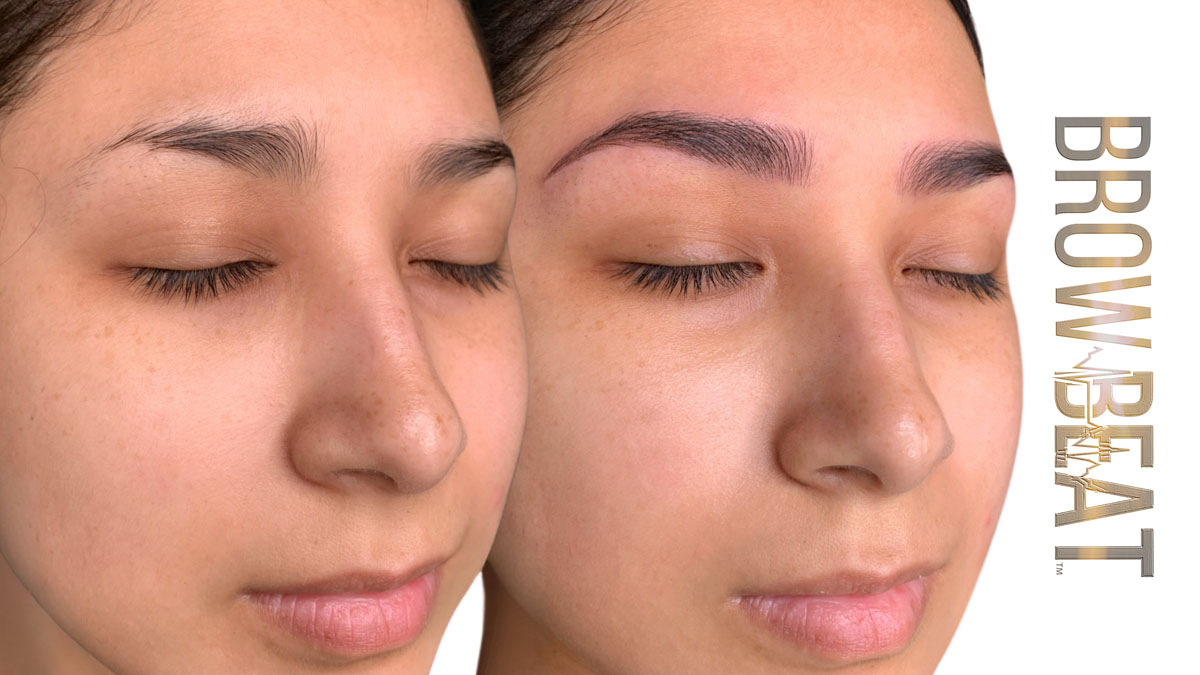
Clients who regain soft, balanced brows often describe feeling more confident in social settings, more comfortable without makeup, and more connected to their reflection.
Shading techniques support this emotional transition by creating natural-looking fullness without harsh lines or overly dramatic contrast. This allows results to feel authentic rather than artificial.
Long-Term Planning In Brow Restoration
One of the most important aspects of brow recovery is long-term planning. Unlike temporary cosmetic services, semi-permanent brow restoration should be approached as a multi-year investment.
Experienced artists consider:
- How skin will change over time
- Potential future hair regrowth patterns
- Aging-related shifts in facial structure
- Maintenance intervals
- Client lifestyle factors
This planning process helps ensure that results remain balanced and natural as time passes.
The Role Of Professional Experience In Recovery Work
Brow restoration requires a different level of expertise than standard cosmetic brow services. Working with recovery clients involves understanding skin sensitivity, emotional needs, and long-term outcome planning.
Studios with years of experience working with diverse client backgrounds are better equipped to customize restoration strategies and support clients throughout their journey (BrowBeat Studio’s years of experience).
What Recovery Clients Often Say After Restoration
Many clients describe restoration as one of the most emotionally rewarding steps in their recovery process.
Common feedback includes:
- Feeling more comfortable going makeup-free
- Regaining facial symmetry and expression
- Improved confidence in professional and social environments
- Reduced emotional stress around appearance
These experiences reinforce why brow restoration should be approached with care, empathy, and technical precision.
Preparing For Restoration: What Clients Should Know
Clients considering brow restoration should understand that results are not instant perfection. Healing takes time. Pigment settles gradually. Maintenance is part of long-term success.
However, when approached thoughtfully, restoration offers a sustainable way to regain brow structure and visual balance without daily makeup dependency.
In the next section, we will explore the emotional impact of eyebrow restoration, answer common client questions, and discuss how Dallas-based recovery clients can find experienced professionals to support their journey.
The Emotional Impact Of Getting Your Eyebrows Back
For many recovery clients, eyebrow restoration is not just a cosmetic service — it represents closure, healing, and a return to normalcy after a difficult chapter.
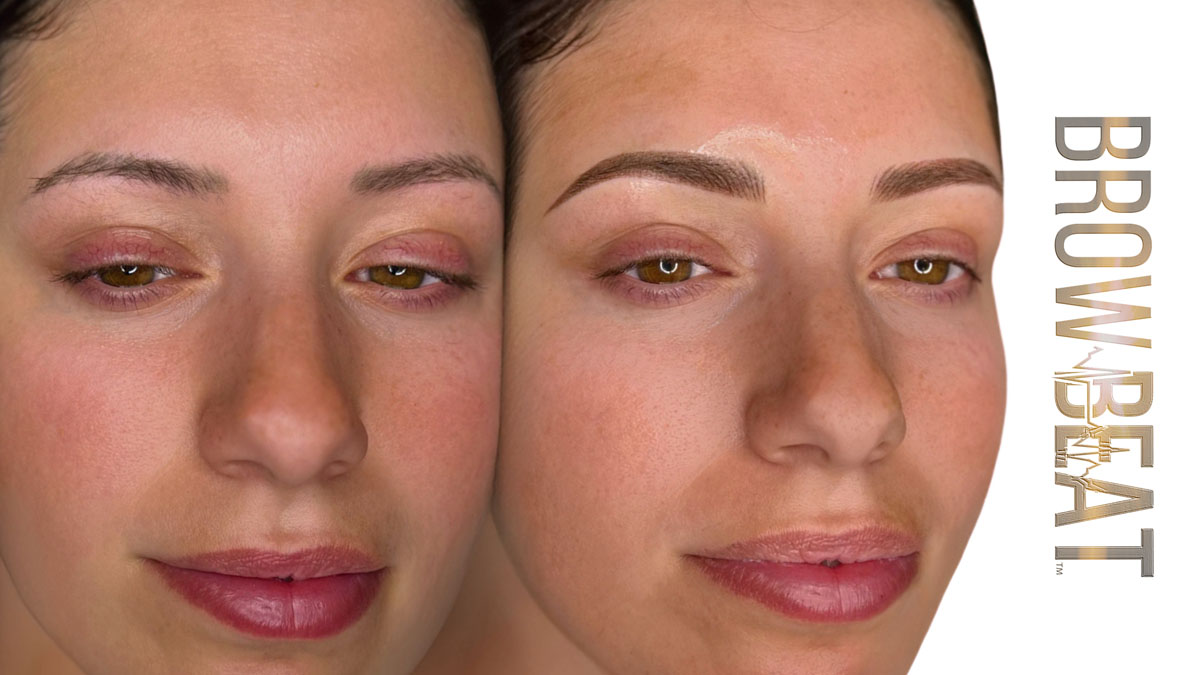
Clients who have experienced medical hair loss often describe a sense of relief after restoration. Seeing brows again can restore facial familiarity, soften expressions, and help individuals reconnect with their identity.
It’s common to hear clients say that getting their brows back helped them feel “like themselves again.” This emotional transformation is one of the most powerful aspects of restorative brow work.
Why A Supportive Environment Matters For Medical Brow Clients
Recovery-focused clients deserve a safe, respectful environment where their concerns are understood.
Medical brow restoration requires more than technical skill — it requires empathy, patience, and communication. Many clients arrive with emotional fatigue after months or years of health-related challenges.
Professional studios that prioritize privacy, individualized care, and long-term planning help clients feel comfortable throughout the restoration process.
This level of care is built through experience, training, and years of working with diverse client backgrounds (why experience matters in brow restoration).
Frequently Asked Questions About Medical Brow Restoration
Can eyebrows be restored after chemotherapy?
Many clients choose semi-permanent brow services after chemotherapy to restore visible brow structure while natural hair regrowth continues. Results vary based on individual healing timelines and skin characteristics.
Is brow restoration suitable for alopecia clients?
Clients with alopecia often explore brow restoration to recreate visual density and shape. Because hair regrowth patterns can vary, long-term planning and adaptable techniques are important.
Do restored brows look natural?
When properly designed, restored brows can appear soft and balanced. Modern shading techniques allow artists to customize density and shape to complement facial features.
How long do restored brows last?
Semi-permanent brow results typically last between 12–18 months depending on skin type, lifestyle, and aftercare practices. Maintenance sessions help preserve appearance over time.
Is brow restoration painful?
Comfort levels vary by individual. Professional studios use numbing techniques and controlled application methods to support client comfort throughout the procedure.
Why Long-Term Planning Is Essential For Recovery Clients
Medical brow restoration is not a one-time decision — it is a long-term investment in appearance and confidence.
Planning ahead allows artists to design brows that age gracefully and adapt to changes in skin and hair growth patterns.
Studios that focus on future-proof brow design help clients avoid overly aggressive trends and prioritize natural longevity (planning for the future of your brows).
Dallas Medical Brow Restoration Services
Dallas clients seeking medical brow restoration often look for experienced studios that understand both the technical and emotional aspects of recovery.
Working with professionals who have spent years refining restoration techniques helps ensure personalized care and consistent results.
With nearly a decade of experience serving the Dallas community, BrowBeat Studio Dallas Advanced Microblading Experts continues to support clients through both cosmetic and restorative brow journeys (nine years of excellence in semi-permanent makeup).
Moving Forward With Confidence
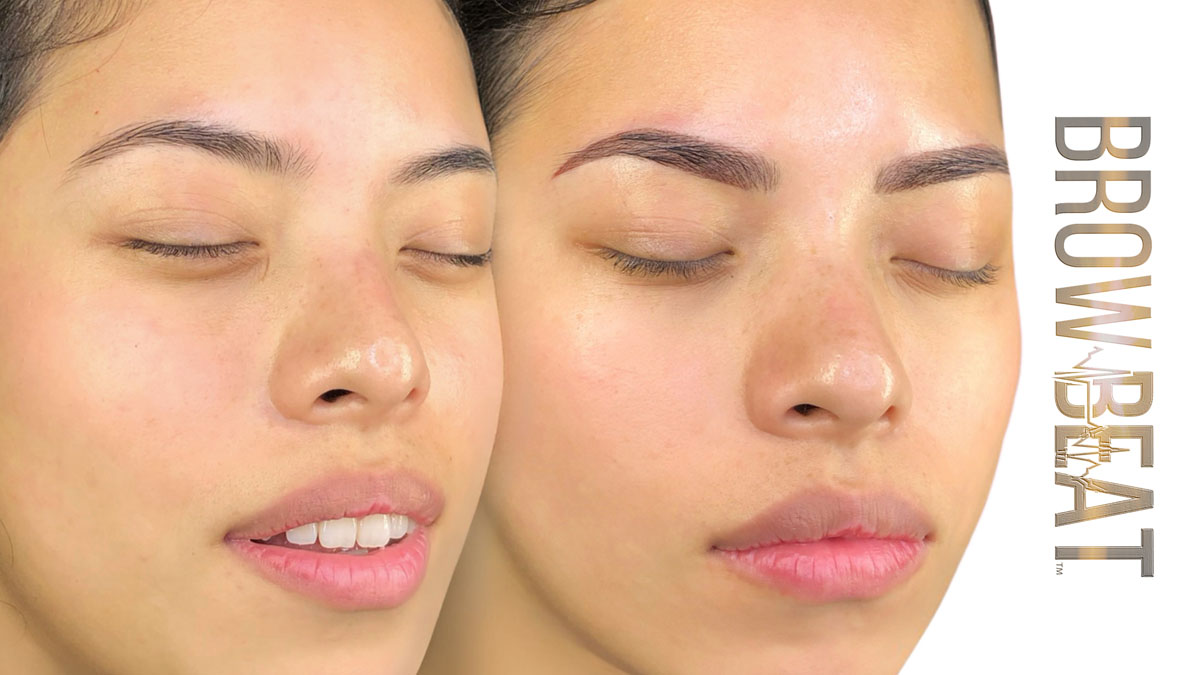
Eyebrow restoration is not about erasing the past — it is about moving forward with strength.
Whether brow loss came from medical treatment, autoimmune conditions, hormonal changes, stress, or aging, the goal is not perfection. The goal is balance, confidence, and comfort in your own skin.
Modern brow restoration allows clients to reclaim facial expression and identity without relying on daily makeup routines or temporary cosmetic fixes.
Schedule Your Brow Restoration Appointment
If you are considering eyebrow restoration and would like to explore long-term recovery options, scheduling an appointment allows you to discuss personalized treatment planning.
To learn more about available brow services or book your appointment, visit:
https://www.browbeatstudio.com/
Check out our other blogs covering eyebrow microblading information!