
Last Updated: January 2026
For years, clients asked one simple question: “How long does microblading last?” The industry used to answer with vague numbers, outdated expectations, and unrealistic promises.
Today, after more than a decade of real-world data and millions of treatments worldwide, the answer has become much clearer.
Modern microblading is designed to last approximately 12–18 months for most clients. Some may experience visible softening closer to the one-year mark, while others may retain pigment closer to 18 months. This timeline is not a failure of the technique — it is intentional.
The truth many people don’t realize is that brows are not meant to be permanently locked into the skin. Semi-permanent brow techniques were developed so that the pigment gradually fades instead of accumulating layer after layer over time.
This design protects the skin, preserves brow softness, and allows each new application to look clean, crisp, and natural.
Why Fading Is Actually A Good Thing
When eyebrow tattoos were permanent, long-term problems were common. Pigment shifted color, blurred over time, and created heavy, unnatural-looking brows that were difficult to update as styles evolved.
Microblading changed the industry by creating a controlled, surface-level implantation method that allows pigment to gradually fade rather than permanently settle deep in the skin.
This fading process is intentional and healthy for the skin.
When brows fade gradually, it allows artists to refresh shape, adjust tone, and maintain a soft appearance instead of stacking pigment on top of old work. Over-application without proper fading is what historically caused brows to appear muddy, heavy, or unnatural.
Modern brow design focuses on sustainability — not permanence.
The goal is not to make brows last forever. The goal is to make brows look good every time they are refreshed.
The Updated Longevity Standard: 12–18 Months
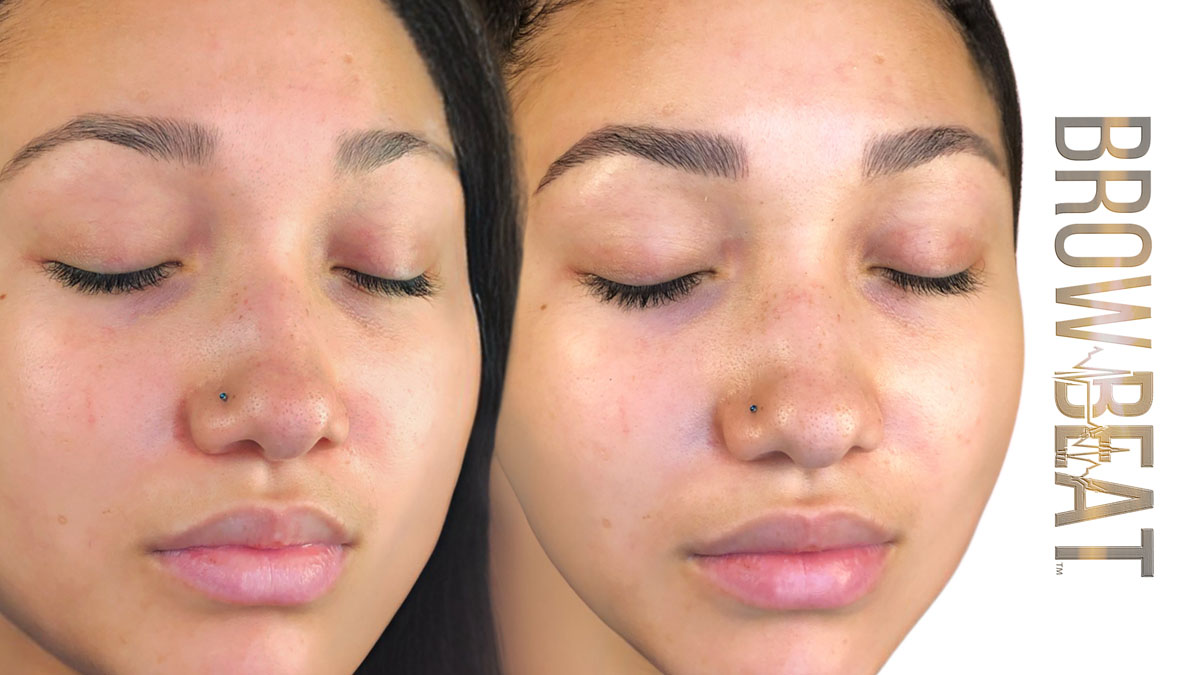
After more than 14 years of industry development, training evolution, and pigment improvements, the current realistic longevity window for microblading is:
- Blonde and lighter pigment clients: approximately 12–15 months
- Medium to deeper pigment clients: approximately 15–18 months
These ranges reflect how different pigment densities, undertones, and skin responses interact with the fading process.
Lighter pigment clients tend to experience visible softening sooner simply because lighter tones fade more transparently. This is not negative — it often results in very natural transitions and easy refresh sessions.
Darker pigments tend to retain slightly longer due to higher pigment density, but even these are designed to gradually soften over time rather than remain static.
This controlled fading cycle allows artists to maintain brow integrity while adapting shape and color as the client’s face naturally changes with age.
Why Brows Should Not Be Designed To Last Forever
One of the most important shifts in the semi-permanent makeup industry is the understanding that permanent results are not ideal for facial aesthetics.
Faces change. Skin changes. Bone structure shifts with age. Brow trends evolve. What looks beautiful today may not suit the same face five years later.
By allowing brows to fade, clients maintain flexibility. Shape can be adjusted. Density can be refined. Tone can be adapted to hair color changes and lifestyle shifts.
This is why modern brow professionals prioritize fade-friendly techniques instead of aggressive implantation.
Long-term brow health depends on allowing the skin to regenerate naturally between applications.
Why Repeating Without Fading Causes Problems
When brow pigment is repeatedly layered without allowing proper fading cycles, the skin becomes oversaturated. This can lead to blurred edges, heavier appearance, and compromised clarity.
Healthy brow maintenance means working with the skin’s natural renewal cycle instead of fighting against it.
Allowing adequate fading time between treatments protects the skin barrier and preserves crisp brow structure over the long term.
This approach is especially important for clients with sensitive skin, medical recovery histories, or slower skin regeneration cycles.
How Lifestyle Directly Impacts Longevity
Microblading longevity is not determined by pigment alone. Lifestyle habits play a significant role in how long results remain visible.
Some of the most influential factors include:
- Sun exposure and UV protection habits
- Skincare routines that include exfoliating acids or retinol
- Workout frequency and sweat exposure
- Oily versus dry skin tendencies
- Hydration levels
- Daily makeup removal methods
Clients who consistently use sunscreen on the brow area and avoid aggressive exfoliation typically experience longer retention.
Highly active lifestyles, frequent swimming, heavy skincare routines, and sun exposure can accelerate pigment fading — which is not harmful, but should be factored into maintenance planning.
Understanding these lifestyle variables allows clients to set realistic expectations and plan sustainable brow maintenance instead of chasing unrealistic permanence.
In the next section, we’ll explore how biological factors such as skin regeneration speed, age, hormones, and medical history influence how long microblading lasts — and why personalized timelines matter more than generic averages.
Why Biology Plays A Bigger Role Than Technique In How Long Microblading Lasts
One of the biggest misconceptions in the brow industry is that longevity is determined only by the artist or the pigment used. In reality, biology plays a massive role in how long microblading remains visible in the skin.
Every client’s skin behaves differently. Two people can receive the same technique, the same pigment brand, and identical aftercare instructions — yet experience very different fading timelines.
This is not a flaw in the process. It reflects the natural variability of human skin.
Understanding Skin Regeneration Cycles
Your skin is constantly renewing itself. On average, the epidermis regenerates every 28 to 40 days, depending on age, health, hydration, and lifestyle factors.
Microblading pigment sits in the upper layers of the skin. As the skin naturally sheds and regenerates, pigment particles gradually break down and fade. This is why microblading is classified as semi-permanent rather than permanent.
Clients with faster cellular turnover tend to experience quicker fading. Clients with slower regeneration cycles may retain pigment longer.
Skin regeneration speed is influenced by:
- Age
- Hormonal balance
- Hydration levels
- Immune system activity
- Metabolic rate
Because of these factors, no two microblading timelines are identical. This is why realistic expectation setting is more important than chasing exact month counts.
How Age Impacts Brow Retention
As we age, skin regeneration naturally slows down. This means mature clients often retain pigment slightly longer than younger clients.
However, aging skin can also be thinner and more delicate. This requires careful technique application and conservative depth control.
Many mature clients benefit from fade-friendly approaches that preserve softness and allow gradual refreshes rather than aggressive long-term implantation.
This is one reason modern brow studios emphasize sustainable design over permanent saturation.
Hormonal Changes And Pigment Retention
Hormones play a surprisingly large role in how pigment behaves in the skin.
Pregnancy, postpartum recovery, menopause, thyroid conditions, and hormone therapy can all influence skin oil production, healing speed, and immune response.
Clients experiencing hormonal fluctuations may notice faster fading or uneven retention. This does not indicate poor application — it reflects how hormonal shifts alter skin chemistry.
Understanding this allows artists to adjust maintenance expectations and avoid unrealistic promises.
Medical Recovery Clients And Healing Timelines
Clients recovering from chemotherapy or medical treatments often experience changes in skin sensitivity and immune response.
During recovery, the body prioritizes healing vital systems. Skin regeneration patterns may be temporarily altered. This can affect pigment retention speed and healing appearance.
For this reason, many medical brow clients benefit from gradual, conservative restoration plans that allow the skin to stabilize before pursuing long-term maintenance cycles.
Patience is essential. Rushing repeated applications too quickly can compromise skin health and long-term brow appearance.
This approach supports healthier outcomes and preserves the integrity of the brow area.
Autoimmune Conditions And Brow Longevity
Clients with autoimmune conditions, including alopecia-related disorders, may experience unique skin responses.
Immune system activity can influence how pigment particles are metabolized and broken down. In some cases, this results in faster fading. In others, retention may be inconsistent across different areas of the brow.
These clients benefit from customized planning rather than standardized timelines.
Understanding immune-driven variability is part of ethical brow restoration.
Why Individual Timelines Matter More Than Industry Averages
While the modern industry standard places microblading longevity around 12–18 months, this number should be viewed as a general framework — not a guarantee.
Biology does not follow marketing timelines.
Professional studios focus on observing how each client’s skin responds over time and adjusting maintenance strategies accordingly.
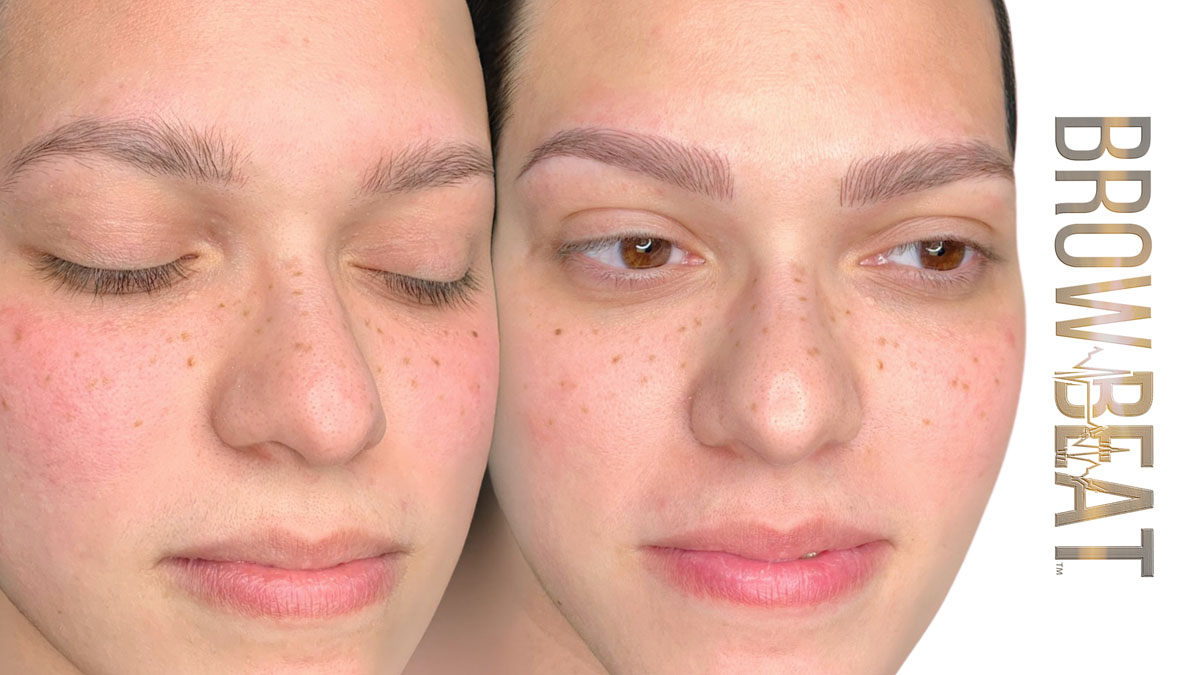
This personalized approach produces better long-term outcomes than forcing rigid schedules.
In the next section, we’ll explore how lifestyle habits, environmental exposure, and daily routines further influence how long microblading lasts — and what clients can realistically control to extend their results.
How Lifestyle Choices Influence How Long Microblading Lasts
While biology sets the foundation for how skin behaves, daily lifestyle habits play a major role in how quickly microblading fades.
Many clients assume fading happens only because of time. In reality, small daily choices compound over months and directly influence pigment longevity.
Understanding these factors helps clients protect their investment and maintain healthier long-term brow appearance.
Sun Exposure And UV Impact On Pigment
Ultraviolet exposure is one of the most significant contributors to premature pigment fading.
Direct sunlight breaks down pigment particles over time. Even brief daily exposure without protection can accelerate softening and lightening.
This is especially important for clients living in warmer climates or spending extended time outdoors.
Consistent use of sunscreen on the brow area — once healing is complete — helps slow fading and preserve pigment integrity.
Protective habits such as wearing hats or avoiding prolonged direct sun exposure during peak hours also contribute to longer retention.
Skincare Products And Chemical Exfoliation
Modern skincare routines often include ingredients designed to accelerate skin turnover. While these products benefit complexion health, they can shorten microblading longevity.
Ingredients that commonly affect pigment retention include:
- Retinol and vitamin A derivatives
- Alpha hydroxy acids (AHA)
- Beta hydroxy acids (BHA)
- Chemical exfoliants
- Brightening serums
When these products are applied near the brow area, they increase cellular turnover and cause pigment to fade more quickly.
Clients who wish to extend microblading longevity should be mindful of applying active skincare ingredients directly on or around the brows.
Climate And Environmental Exposure
Environmental conditions also influence skin behavior.
Dry climates may cause skin dehydration, while humid environments can increase oil production. Both scenarios affect how pigment settles and fades.
Seasonal changes can alter skin hydration levels, leading to fluctuations in brow appearance throughout the year.
Maintaining proper hydration and using barrier-supporting skincare products can help stabilize skin conditions and support consistent pigment retention.
Daily Cleansing And Makeup Removal Habits
The way clients cleanse their face and remove makeup directly impacts brow longevity.
Aggressive rubbing, exfoliating cleansers, and repeated friction over the brow area can accelerate fading.
Gentle cleansing techniques and avoiding scrubbing the brow region help preserve pigment placement.
Oil-based makeup removers can also gradually break down pigment particles if used frequently around the brows.
Choosing mild, non-exfoliating products supports longer-lasting results.
Hydration And Skin Health
Hydration affects overall skin function and regeneration speed.
Dehydrated skin may heal inconsistently and experience uneven fading patterns.
Maintaining healthy hydration through proper water intake and moisturizing routines supports stable skin behavior and gradual pigment fading rather than rapid breakdown.
Medical Recovery And Lifestyle Adjustments
Clients recovering from medical treatments often experience temporary skin sensitivity and altered healing patterns.
During recovery phases, it is especially important to protect the brow area from environmental stressors and aggressive skincare products.
Gentle routines allow the skin barrier to stabilize and promote healthier long-term results.
Patience during this period supports sustainable brow restoration instead of forcing fast refresh cycles.
What Clients Can Realistically Control
While no one can fully control biological factors, clients can influence longevity through conscious daily habits.
Protecting brows from sun exposure, avoiding aggressive skincare on the brow area, practicing gentle cleansing, and maintaining hydration all contribute to better long-term outcomes.
These small lifestyle adjustments often make a noticeable difference in how evenly and gracefully microblading fades.
In the next section, we’ll explore long-term maintenance strategies — including why spacing treatments properly and allowing healthy fading cycles is essential for sustainable brow appearance.
Long-Term Maintenance: Why Spacing Matters More Than Speed
One of the most misunderstood aspects of microblading longevity is maintenance timing. Many clients believe that refreshing brows as soon as fading begins will produce better long-term results. In reality, sustainable brow health depends on allowing the skin to fully regenerate between applications.
Modern semi-permanent brow design is built around controlled fading cycles. These cycles give the skin time to recover, reduce pigment buildup, and preserve crisp brow structure.
Why Brows Need Time To Fade Before Reapplication
When pigment is repeatedly applied over existing pigment without allowing proper fading, the skin becomes oversaturated.
Oversaturation can lead to:
- Loss of sharp brow edges
- Blurring of shape over time
- Heavier visual appearance
- Reduced skin clarity
- Less flexibility for future shape adjustments
Allowing pigment to soften naturally before refreshing supports better long-term outcomes. It gives artists a clean foundation to work with rather than layering over dense existing pigment.
This approach protects skin health and keeps brows looking refined instead of overloaded.
Understanding Healthy Refresh Cycles
For most clients, maintenance appointments fall within the same general longevity window as initial microblading — approximately 12 to 18 months.
Some clients may choose earlier refresh sessions if fading occurs sooner, especially lighter pigment clients who experience faster visible softening.
Others may wait longer depending on retention patterns and personal preference.
The key is not the exact month — it is the condition of the skin and pigment at the time of refresh.
Professional artists evaluate:
- How much pigment remains
- How evenly it has faded
- Skin texture and sensitivity
- Overall brow clarity
This assessment determines whether a refresh is appropriate or whether more fading time is beneficial.
Why Overlapping Treatments Can Compromise Brow Appearance
When clients pursue frequent reapplications without adequate spacing, the brow area can become visually dense and lose softness.
Microblading was designed to prevent permanent accumulation by allowing pigment to gradually fade. When this natural process is interrupted, long-term aesthetics suffer.
Sustainable brow design prioritizes quality over frequency.
It is better to refresh thoughtfully than to over-treat aggressively.
How Skin Memory Influences Long-Term Results
Skin has a memory of repeated trauma and pigment placement.
Repeated procedures without adequate healing time can alter skin texture and affect how future pigment settles.
Spacing treatments appropriately allows the skin to return to baseline condition, preserving its ability to hold pigment evenly.
This concept is especially important for clients with sensitive skin, medical recovery histories, or slower healing cycles.
Why Sustainability Matters More Than Maximum Longevity
Some clients ask how to make microblading last as long as possible.
The more important question is how to make brows look good long-term.
Longevity without quality leads to outdated, heavy-looking brows. Sustainability ensures brows remain soft, adaptable, and visually balanced year after year.
This philosophy reflects the evolution of the semi-permanent makeup industry. Modern brow artists prioritize fade-friendly techniques because they preserve flexibility and protect skin integrity.
What Clients Should Expect Over Multiple Years
Over several years of brow maintenance, most clients experience gradual evolution in shape and density.
This is normal and healthy.
As facial features change with age and lifestyle, brow designs can be adjusted during refresh sessions.
This adaptability is one of the biggest benefits of semi-permanent techniques compared to permanent tattooing.
It allows clients to maintain natural-looking brows without being locked into outdated shapes.
Medical Recovery Clients And Long-Term Maintenance
Clients recovering from medical treatments or dealing with autoimmune conditions often require more conservative maintenance planning.
Skin sensitivity, healing speed, and immune response may vary over time.
Allowing longer spacing between treatments helps protect the brow area and supports stable long-term appearance.
This patient-centered approach produces better outcomes than aggressive refresh schedules.
Setting Healthy Expectations For Maintenance
One of the most important parts of brow restoration is expectation management.
Microblading is not designed to eliminate maintenance — it is designed to reduce daily makeup dependency while preserving natural appearance.
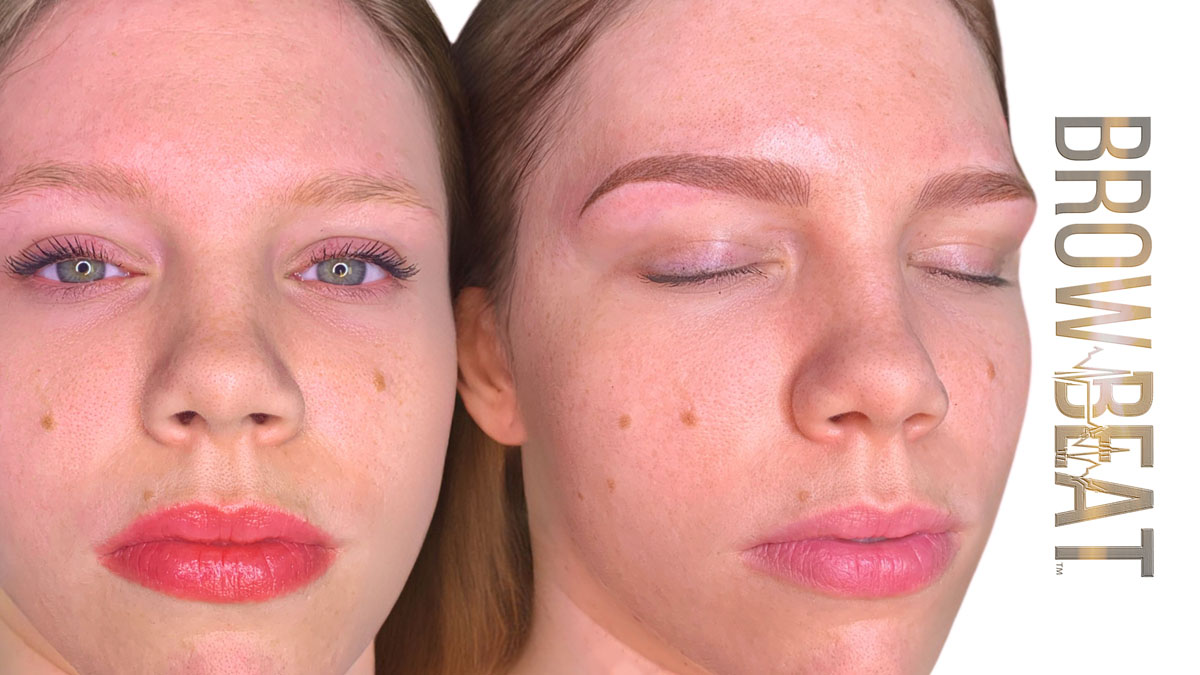
Clients who understand the fade-refresh cycle experience greater satisfaction because they view maintenance as part of a healthy long-term plan rather than a flaw in the service.
In the final section, we’ll explore how expectation setting, emotional confidence, and choosing experienced professionals all contribute to successful long-term brow outcomes.
Setting Realistic Expectations Builds Better Brow Results
One of the most important factors in long-term brow satisfaction is expectation management.
Clients who understand that microblading is designed to fade — not last forever — tend to feel more confident and empowered throughout the maintenance process.
When expectations are realistic, clients view fading as part of a healthy cycle instead of a problem. They understand that softness, adaptability, and long-term skin health are more valuable than permanent saturation.
This mindset shift is one of the biggest improvements in the semi-permanent makeup industry over the past decade.
Why Honest Education Leads To Better Outcomes
In the early years of microblading, marketing often emphasized extreme longevity. Over time, professionals learned that this approach created unrealistic expectations and long-term aesthetic challenges.
Today, experienced studios prioritize education over exaggeration.
Clients who understand how skin regenerates, how pigment fades, and why maintenance spacing matters tend to experience higher satisfaction and healthier results.
Education creates trust. Trust creates better long-term partnerships between clients and artists.
The Emotional Side Of Brow Longevity
For many clients, brows are more than a beauty feature — they represent identity, confidence, and self-expression.
Whether someone is restoring brows after medical treatment, managing hormonal changes, or simply adapting to natural aging, the emotional impact of brow appearance should never be overlooked.
Clients often describe feeling more comfortable in public settings, more confident in professional environments, and more at ease without makeup after establishing a healthy brow maintenance routine.
This emotional benefit is one of the most rewarding aspects of semi-permanent brow services.
Why Experience Matters In Long-Term Brow Planning
Not all brow artists approach longevity the same way.
Experience plays a critical role in understanding skin behavior, pigment aging, and maintenance timing.
Professionals who have worked with thousands of clients over many years are better equipped to recognize patterns, anticipate challenges, and customize long-term strategies.
Choosing an experienced provider ensures that brow design is approached with sustainability in mind rather than short-term visual impact alone.
Frequently Asked Questions About Microblading Longevity
Is microblading permanent?
No. Microblading is considered semi-permanent and is designed to gradually fade over time. Most clients experience visible results for approximately 12–18 months depending on skin type, pigment choice, and lifestyle factors.
Why do lighter pigments fade faster?
Lighter pigments contain less saturation and appear more transparent as they soften. This creates very natural transitions but often results in earlier visible fading compared to darker pigment densities.
Can I extend how long microblading lasts?
While biology cannot be fully controlled, clients can support longevity by protecting brows from sun exposure, avoiding aggressive skincare products near the brow area, practicing gentle cleansing, and maintaining healthy hydration habits.
How often should maintenance sessions be scheduled?
Most clients schedule refresh sessions between 12 and 18 months. The ideal timing depends on how much pigment remains and how evenly it has faded.
Is fading uneven normal?
Some variation in fading is normal due to differences in skin texture, oil production, and facial movement. Professional evaluation helps determine appropriate maintenance timing.
Dallas Microblading Longevity And Client Care
Clients in Dallas seeking semi-permanent brow services often look for studios that emphasize education, transparency, and long-term planning.
Working with experienced professionals who understand modern brow longevity standards ensures realistic expectations and sustainable results.
Over nearly a decade of service, BrowBeat Studio Dallas Advanced Microblading Experts has helped thousands of clients navigate brow maintenance with honesty and care.
Moving Forward With Confidence
Microblading longevity is not about chasing permanent results — it is about embracing healthy fade cycles that allow brows to remain soft, adaptable, and visually balanced over time.
When clients understand this philosophy, they approach brow maintenance with confidence instead of concern.
The goal is not to make brows last forever.
The goal is to make brows look good — year after year.
Schedule Your Brow Appointment
If you are considering microblading or planning your next brow refresh, scheduling an appointment allows you to discuss personalized longevity expectations and maintenance planning.
To learn more about available brow services or book your appointment, visit:
https://www.browbeatstudio.com/

Check out our other blogs covering eyebrow microblading information!