
Last Updated: January 2026
Let’s be honest: the brow world moves fast. One year it’s “microblading,” the next year it’s “nano,” then it’s “ombré,” then it’s “microshading,” then “combo,” then “hybrid,” then “soft powder,” then “airbrushed brows,” then someone’s cousin calls it “brow tattoo powder microblading shading” and everyone nods like they totally understand.
This blog is your fun, clear, no-jargon guide to what actually happened in the eyebrow industry from 2016 to 2026—the decade where brows went from a niche service to a mainstream, life-changing tool for both beauty and restorative clients. We’re going to walk through the biggest brow “eras,” the buzzwords that popped up along the way, and what each technique is really trying to achieve.
And yes—by the end, you’ll see why shaded brows (powder, ombré powder, microshading, soft shading) have become the most sustainable, scalable, and long-term friendly option for many clients—especially those who want a dependable brow plan that stays beautiful year after year.
Why This Blog Exists: Brows Didn’t Just “Trend”—They Evolved
People sometimes talk about microblading like it was a single trend that appeared out of nowhere. But what actually happened is more interesting: the industry evolved quickly because clients asked for better outcomes, longer-lasting beauty, and techniques that fit different lifestyles and different skin types.
Microblading was a major turning point. It introduced the idea that brows could look hair-like and softly enhanced instead of appearing like the older, traditional brow tattoos many people remembered. That shift opened the door for everything else that followed—because once clients saw a natural enhancement was possible, they wanted the next level: a brow that stays polished, consistent, and wearable no matter what your day looks like.
That’s where shading came in. And shading didn’t show up to “replace” microblading—it showed up to solve the long-term realities clients were experiencing as the years passed.
First, the Big Truth: Almost Every Brow Technique Is “Dots and Lines”
Before we break down the timeline, here’s the most freeing way to understand the entire industry:
- Microblading = mostly lines (hair-stroke patterns)
- Shading / Powder / Ombré = mostly dots (pixel-style deposits creating a soft fill)
- Combo / Hybrid / Combré = lines + dots together
That’s it. Everything else is naming, branding, and style choices. The “magic” isn’t the buzzword—it’s how the artist places dots and lines to match the client’s goals, skin, and lifestyle.
The 2016 Era: The Microblading Boom (When “Hair Strokes” Took Over)
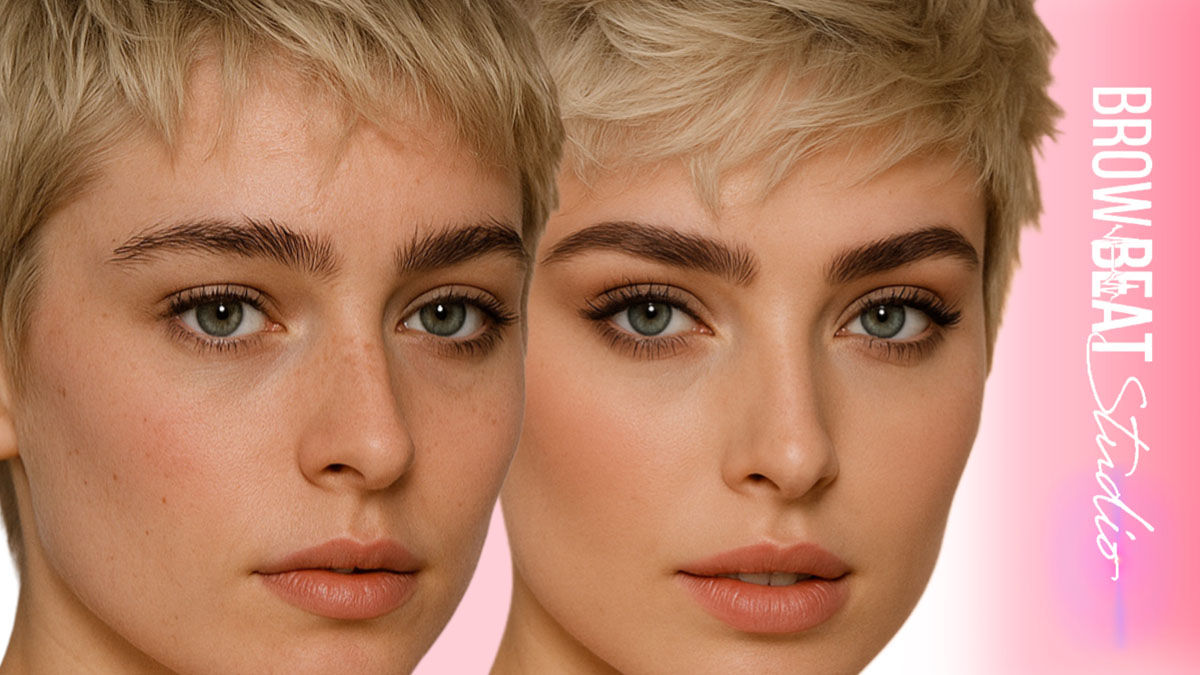
In the mid-2010s, microblading exploded. Clients loved that it looked softer than the older tattoo-style brows they’d seen in past decades. Microblading made brows feel approachable—like “makeup you wake up with.”
During this period, microblading became the word everyone used, even when they meant something else. It became the catch-all phrase for “semi-permanent brows,” even though many techniques were already evolving beyond it.
What Clients Loved About the Microblading Era
- Hair-like detail that mimicked natural brow growth
- Soft structure for people who felt like their brows “disappeared”
- A new beauty language—brows weren’t just “filled in,” they were designed
Who This Era Served Especially Well
Microblading became popular for many clients, including people with sparse brows from over-plucking, hormonal shifts, postpartum changes, and those experiencing forms of hair thinning. It also drew attention from restorative clients because it offered a way to rebuild the idea of an eyebrow again—something that can feel deeply personal when you’ve lost it.
But as the industry matured, one thing became clear: clients wanted outcomes that held up beautifully over time, even as life changed.
The 2017–2018 Era: The “Makeup Brow” Demand Starts (Enter: Shading)
As microblading became mainstream, a second client wave arrived with a very different request:
“I want my brows to look like I have them done… all the time.”
This was the beginning of the shading era. Instead of focusing only on hair strokes, artists started using pixel-style deposits to create a soft background of color—like a powder makeup effect. This wasn’t about looking “heavy.” It was about looking finished.
Buzzwords That Started Showing Up
- Powder Brows (the soft makeup brow effect)
- Ombré Brows (a gradient look—lighter in front, deeper through the body/tail)
- Soft Shading (a more airy, less saturated version)
Shading gave clients something microblading couldn’t always deliver long-term: a consistent, polished brow that still looked pretty even when it softened over time.
The 2019 Era: Combo Brows Become the “Best of Both Worlds”
By 2019, the industry started blending techniques in a more intentional way. Clients wanted the softness of shading and the realism of strokes. That’s when combo brows (and later “hybrid brows”) became a major category.
What Combo Brows Actually Mean
Combo brows are simply a strategy: lines + dots. Strokes are used where they matter most (often toward the front or top for a hair-like impression), and shading is used to build the density and durability through the brow.
Combo became popular because it gave many clients the most wearable version of “natural but complete.”
The 2020 Era: Clients Start Thinking Long-Term (Not Just “New Brows”)
By 2020, the industry hit a turning point: people stopped asking only “What’s the newest technique?” and started asking:
- “What will this look like in a year?”
- “What will it look like when it softens?”
- “What choice is best for the long run?”
This is where the concept of sustainability in brows really matters. Sustainable doesn’t mean “forever.” It means a brow plan that stays flattering as it naturally lightens, so your next refresh still looks beautiful—not like you’re stacking years of brow work on top of years of brow work.
That long-term thinking is exactly why shading techniques kept rising: they offer a softer, more flexible long-term brow journey for many clients.
The 2021–2022 Era: The Paramedical Conversation Gets Louder (Chemo + Alopecia + Restoration Needs)
As the brow world matured, restorative clients became more visible in the conversation. People navigating chemotherapy, alopecia, trichotillomania, and other forms of hair loss weren’t just looking for a trend—they were looking for themselves again.
And that’s where artistry becomes care.
When someone has had brow loss, the goal is often bigger than beauty. It’s comfort. It’s normalcy. It’s being able to look in the mirror and recognize your face again. It’s having something dependable in the middle of a season that has asked too much of you.
Why Shading Often Becomes the Better Long-Term Option for Restorative Clients
- Consistency: shading creates a soft, filled base that reads as “brow” even as it gently lightens
- Flexibility: it can be tailored from ultra-soft to more defined depending on comfort and preference
- Longevity planning: many restorative clients want a technique that supports a long-term brow journey, not a one-time moment
Microblading can be beautiful. But for many restorative clients, shaded brows often become the “best friend” technique—because they’re designed to be stable and wearable over time.
The 2023–2024 Era: “Nano,” “Machine Strokes,” and the New Wave of Confusing Names
Once shading became mainstream, the industry also saw new naming waves. One of the biggest? “Nano.” Many clients heard “nano brows” and assumed it meant “microblading but smaller.” In reality, “nano” often refers to a machine-based stroke style rather than a manual blade.
But here’s the key: names change faster than outcomes. That’s why this blog focuses on what the technique is trying to do—not what it’s called on Instagram this month.
Buzzwords That Exploded
- Nano Brows
- Machine Hair Strokes
- Pixel Brows
- Airbrushed Brows
- Soft Powder Brow Finish
And even with all those names, we’re still back to the simplest truth: dots and lines, placed with skill.
The 2025–2026 Era: The “Designed to Fade” Philosophy (And Why That’s a Good Thing)
Now we’re in the era where clients are smarter—and honestly, artists are smarter too. We understand more today than we did a decade ago, because we’ve seen the long-term reality of what brows look like as they soften, and what keeps looking polished year after year.
Modern semi-permanent brows are not meant to be “forever brows.” They’re meant to be beautiful now, and beautiful later, and beautiful again when you’re ready for a refresh.
That’s why shading has won so much ground: it fits the modern philosophy perfectly. It’s buildable, adaptable, and it ages gracefully for many clients.
If you want a deeper breakdown of today’s long-term decision-making, you can explore these related reads:
best semi-permanent makeup techniques in 2025
and
best powder brow techniques for 2025.
Quick “Buzzword Decoder” (2016–2026) — Fun Edition
If you’ve ever felt personally attacked by the brow industry vocabulary, this part is for you.
- Microblading: hair-stroke look created with a manual tool (mostly lines)
- Powder Brows: soft makeup effect created with shading (mostly dots)
- Ombré Powder Brows: powder brows with a gradient effect (dots arranged with an intentional fade)
- Microshading: another name for soft shading / pixel shading (dots, airy finish)
- Combo Brows: strokes + shading together (lines + dots)
- Hybrid Brows: often another name for combo (sometimes used to describe a customized blend)
- Pixel / Airbrushed: descriptive words for the look of shading (dots placed softly)
- Nano: usually refers to machine-based strokes (still lines, just a different method)
Translation: the names are many, but the goal is one—create a brow that fits your face, your lifestyle, and your long-term plan.
Where We’re Going Next (Section 2 Preview)
In the next section, we’ll go deeper into what clients actually want today (beauty + restorative), how to choose between strokes, shading, or a blend, and why the “winner” isn’t a trend—it’s the technique that holds up beautifully for your life.
We’ll also keep the timeline moving so the blog stays structured, fun, and genuinely useful (not repetitive, not clinical, not scary).
What Clients Actually Want Now (Beauty + Restorative): The “Brow Mission” Behind the Buzzwords
Here’s the funniest thing about brow trends: the names change, but the client goals don’t.
When someone sits in the chair, they’re usually not truly asking, “Should I get microblading or microshading or ombré powder or hybrid nano combo velvet airbrush brows?”
They’re asking something much more human:
- “Can I look like myself again?”
- “Can I stop thinking about my brows every morning?”
- “Can you make this feel natural… but still polished?”
- “Can this be a long-term plan, not a one-time panic decision?”
So instead of choosing based on the trendiest word, the best decision starts with your brow mission—the real reason you’re doing this.
The 3 Most Common Brow Missions (Pick Yours)
1) “I want to feel put together without trying.”
This is the “I don’t want to draw them on” mission. You want brows that show up for your life—workdays, weekends, errands, travel, everything. You want to wake up and go, not wake up and negotiate.
Best match for many clients: soft shading / powder / ombré powder (because it creates a consistent brow presence that still looks good as it softens).
2) “I want natural-looking structure, but I still want it to be noticeable.”
This is the “I want a brow that frames my face” mission. You’re fine with a little definition—you just don’t want anything harsh or overly dramatic. You want it to look like you… on your best day.
Best match for many clients: combo/hybrid (lines + dots) or a very soft powder brow, depending on your desired finish.
3) “I’m here because my brows are missing (or changing), and I need them back.”
This is the restorative mission. It can be alopecia, chemotherapy, medical hair loss, thinning, or long-term sparse growth that never returned. This mission isn’t about a “trend.” It’s about identity, comfort, and seeing your face feel familiar again.
Best match for many clients long-term: shading-based techniques because they create a soft, stable foundation—something that reads as “brow” even from a normal conversational distance, even when the pigment gently lightens over time.
Why “Sustainable Brows” Became the New Standard (And Why That’s Not Boring)
Let’s make “sustainability” sound fun for a second—because in brows, it is.
Sustainable brows are not the brows that try to last forever. Sustainable brows are the brows that:
- age nicely as they soften
- still look pretty mid-fade (not just on day one)
- make the next refresh easy, not complicated
- keep your look modern as your style evolves
That’s why the industry shifted so hard toward shading. A shaded brow finish is built to stay flattering through its entire lifespan, not only at peak saturation.
If you want a long-term mindset read, this pairs well with:
thinking not just for today but for the future of your brows.
Strokes vs. Shading: The Real-World Difference (No Jargon, Just Vibes)
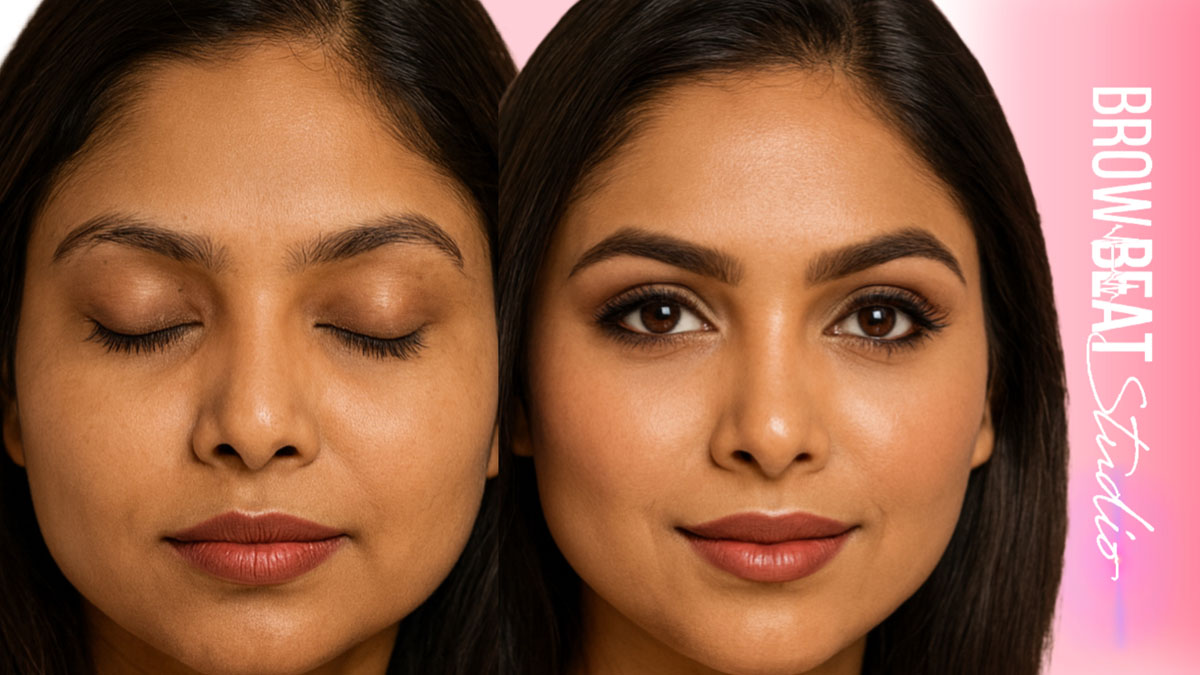
Strokes (microblading / stroke-style techniques) are like a detailed sketch. They look beautiful up close, and they can be incredibly natural-looking when the goal is “brow hair realism.”
Shading (powder / microshading / ombré powder) is like a soft makeup fill. It’s designed to read as “brow” from a normal distance, and it tends to hold a more consistent look over time for many clients.
Think of it like this:
- Strokes = “look at the detail” energy
- Shading = “my face looks finished” energy
Neither is “bad.” But for long-term planning—especially for clients who want a stable brow presence—shading often becomes the smarter, more sustainable choice.
Why Shaded Brows Usually Win Long-Term (Even If You Love Microblading)
Microblading can be beautiful. Truly. It’s iconic for a reason.
But here’s the long-term truth clients started realizing over the last decade: a brow plan that’s meant to be refreshed looks best when the technique is designed to fade gracefully and remain flattering in-between.
Shading techniques are basically built for that job. They’re also incredibly adaptable—meaning the same client can stay within the “shading family” for years while adjusting the intensity, the softness, and the style to match their life.
That’s a huge reason so many clients who start with strokes eventually choose a more shaded finish as their “forever favorite.” It’s not because microblading isn’t good. It’s because shaded brows are a better long-term lifestyle match for a lot of people.
For a deeper comparison, this is a great internal read to weave into your decision:
microblading vs powder brows in 2025.
Restorative Clients: Comfort, Simplicity, and “I Can Breathe Again” Brows
When someone is coming in for brow restoration, they often want two things at the same time:
- emotional comfort (feeling like themselves again)
- practical simplicity (not having to manage brows daily)
That’s why your environment and the way you guide the day matters just as much as the technique.
A restorative appointment should feel calm and supported—like you’re walking into a space where you don’t have to “perform” or explain yourself. You’re just allowed to receive something that helps you feel like you again.
And from a technique standpoint, shaded brows often fit restorative needs beautifully because they’re:
- soft (they can be as airy and subtle as needed)
- stable (they maintain a consistent brow presence over time)
- flexible (easy to adjust at future refreshes as goals evolve)
For clients with different skin tones, including high melanin skin, long-term planning is also about choosing a technique that supports a clean, wearable finish. This related blog can be a helpful internal reference:
microblading vs ombré powder brows: high melanin vs low melanin.
Fun “Pick Your Brow Personality” Checklist
If you’re the “low maintenance, always polished” type:
- You want consistency
- You don’t want to think about brows daily
- You want a finish that still looks good as it softens
- You’re probably a shading/powder brow person
If you’re the “natural detail, subtle enhancement” type:
- You love hair-like realism
- You want people to say, “Wait… are those real?”
- You’re okay with a more delicate, sketch-like effect
- You may love strokes or a very soft combo approach
If you’re the “I need my brows back” type:
- You want your face to feel familiar again
- You want a dependable, wearable brow presence
- You want a long-term plan that stays beautiful
- You’ll often do best with a shading-forward plan
The Best Part: You Don’t Have to Choose a Trend—You Choose a Plan
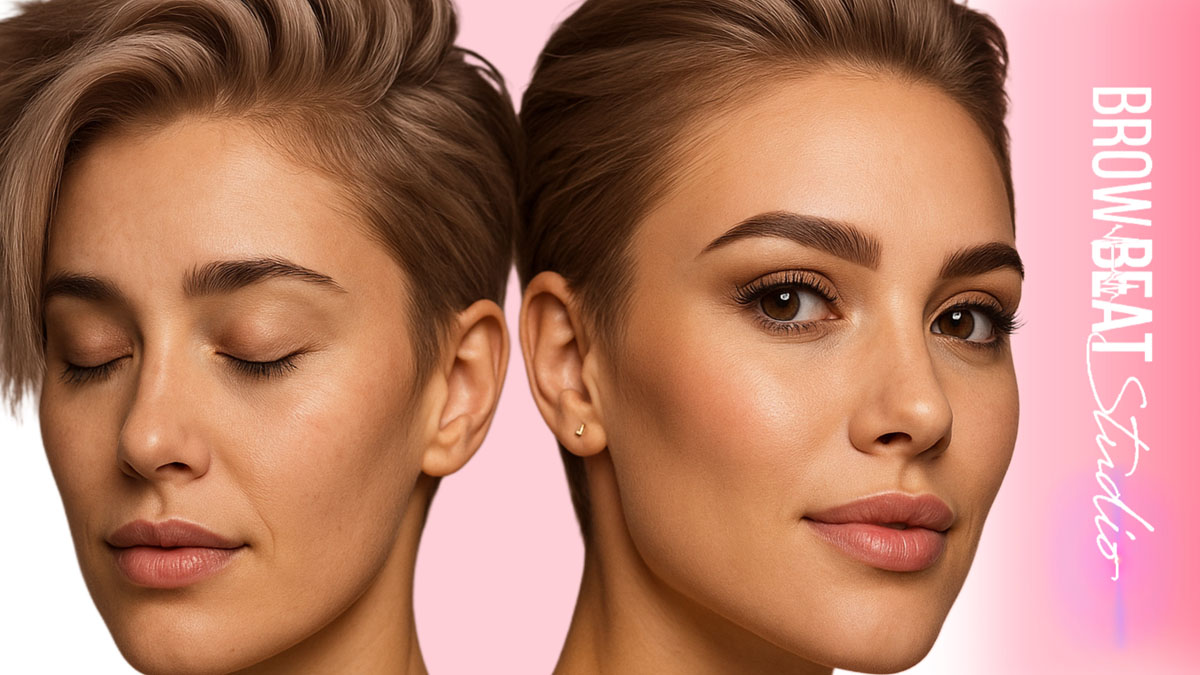
The industry moved from trends to plans. That’s the real 2016–2026 evolution.
Brows are not one-and-done. They’re a relationship. They’re designed to soften and be refreshed in a way that keeps the look modern, clean, and flattering.
And when you look at it that way, it’s easy to understand why shading wins the long game: it’s built for a long-term brow journey that stays pretty at every stage.
If you want to geek out on future-facing aftercare and what actually supports longevity, this is a strong internal read:
microblading aftercare in 2025: the ultimate guide.
The Lifestyle Factor: Why Your Day-To-Day Routine Matters More Than Trends
One of the biggest shifts in the brow industry over the last decade has nothing to do with technique and everything to do with lifestyle.
Clients today are busy. They’re juggling work, family, travel, social events, and personal wellness. Brows aren’t just about how they look in a mirror — they’re about how they perform in real life.
This is where shading techniques quietly outperform trend-driven choices.
Real-Life Brow Priorities (What People Actually Care About)
- ✔ Waking up with brows that already look done
- ✔ Not stressing about uneven makeup
- ✔ Looking polished without effort
- ✔ Having brows that stay consistent through everyday routines
Shaded brows were designed for this reality. They create a foundation that holds visual structure even as pigment softens naturally over time.
That’s also why many clients who start with strokes eventually transition toward shading-based styles — not because strokes are “wrong,” but because life gets busy and convenience becomes king.
Maintenance Isn’t a Bad Word (It’s a Smart Strategy)
There’s a common misconception that the “best” brow technique is the one that lasts the longest without attention.
In reality, the healthiest brow plan is the one that allows your look to stay modern and refreshed — not frozen in time.
Brows are designed to fade gently so they can be adjusted as your face changes, your style evolves, and your preferences shift. That’s not a flaw in the system. That’s intentional design.
What Smart Brow Maintenance Looks Like
- ✔ Allowing pigment to soften naturally
- ✔ Refreshing shape and tone when needed
- ✔ Avoiding “overbuilding” heavy layers
- ✔ Keeping brows looking light, balanced, and current
If you want a deeper dive into why this refresh mindset works so well long-term, this internal article pairs beautifully with this topic:
why annual maintenance supports long-term brow results.
What Happens When Technique Meets Experience
This is where artistry really enters the conversation.
Two artists can use the same tool and produce completely different results. Why? Because technique alone doesn’t create great brows — decision-making does.
Experienced artists understand:
- How different skin types respond to pigment
- How brows visually age over time
- How subtle adjustments create better balance
- How to design brows that fit real faces, not templates
That’s why technique evolution matters — but experience matters even more. When skill meets modern shading strategies, the result is brows that feel intentional, wearable, and long-lasting.
If you want insight into why experience makes such a noticeable difference, this is a strong supporting read:
why choosing an experienced brow artist matters.
The Emotional Side Nobody Talks About (But Everyone Feels)
Brows aren’t just about beauty — they’re about identity.
People recognize themselves in their eyebrows. They frame expressions. They shape how emotions are read. When brows thin, disappear, or feel uneven, it can quietly affect confidence.
That’s why restoration clients often describe their appointment as emotional in the best way.
Not dramatic. Not overwhelming. Just… relieving.
Being able to walk out with brows again — even softly shaded ones — gives many clients a sense of normalcy that’s hard to explain until you experience it.
What Clients Often Say Afterward
- ✔ “I finally feel like myself again.”
- ✔ “I don’t avoid mirrors anymore.”
- ✔ “Getting ready feels easier.”
- ✔ “I didn’t realize how much this mattered.”
This is another reason shading has become such a powerful option for restorative and beauty-focused clients alike — it creates immediate visual comfort without needing perfection.
Why the Industry Keeps Moving Toward Shaded Brows
If we zoom out and look at the last decade as a whole, one pattern is clear:
The industry keeps moving toward techniques that offer stability, softness, and adaptability.
Shaded brows allow artists to customize:
- Intensity level
- Gradient softness
- Front brow transparency
- Overall shape structure
This flexibility is what makes shading such a strong long-term foundation. It can be subtle or bold, natural or polished, depending on what the client wants — without locking anyone into one rigid style.
That adaptability is exactly why many modern studios prioritize powder brow and shading education as core skills.
The Future of Brows: Custom Over Cookie-Cutter
The biggest evolution from 2016 to 2026 isn’t a tool or a buzzword.
It’s customization.
Modern brow artistry isn’t about stamping one look onto every face. It’s about building brows that work with bone structure, facial proportions, skin behavior, and personal style.
This is where shading techniques truly shine — because they allow layering, blending, and soft transitions that create harmony instead of harsh contrast.
The future of brows is not louder.
The future of brows is smarter.
And smarter brows start with understanding the fundamentals — not chasing the next trendy name.
It’s Still Dots and Lines (How Technique Became Art)
After all the buzzwords, all the trends, all the industry evolution — we always come back to the same foundation.
It’s dots and lines.
That’s the secret behind every brow technique you’ve heard of in the last ten years.
Microblading? Lines.
Powder brows? Dots.
Ombré brows? Dots arranged with intention.
Combo and hybrid brows? Lines and dots working together.
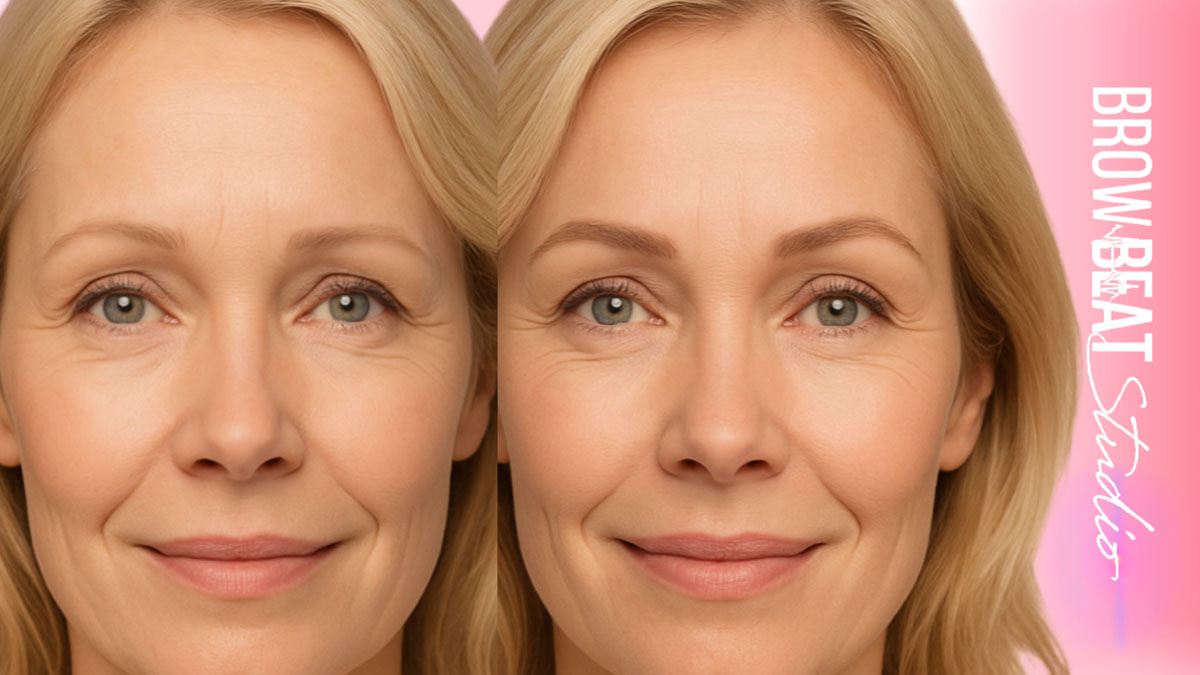
What separates average brows from exceptional brows isn’t the tool — it’s how those dots and lines are placed.
Why Placement Matters More Than The Name
You can call a technique anything you want, but if the placement isn’t thoughtful, the result won’t age beautifully.
Great brow design comes from understanding:
- Facial balance and proportions
- Where softness is needed versus structure
- How pigment visually settles over time
- How brows frame expression
This is why experienced artists don’t chase trends — they master fundamentals.
When fundamentals are strong, any technique can be adapted. That’s also why shading-based methods have become so dominant: they give artists more control over how dots are layered to create softness, density, and long-term wearability.
Why Shaded Brows Became The Most Flexible Tool In The Industry
Flexibility is the quiet hero of modern brow artistry.
Shading techniques allow artists to:
- Build color slowly and evenly
- Create airy fronts with stronger tails
- Adjust intensity without harsh edges
- Customize density for each client
This adaptability is why shading wins long-term. It doesn’t force one look. It supports a wide range of faces, styles, and comfort levels.
Whether someone wants ultra-soft natural brows or a polished makeup finish, shading techniques can be tailored to match.
How Brows Became A Long-Term Relationship (Not A One-Time Service)
One of the biggest mindset shifts from 2016 to 2026 is how clients view their brow journey.
Brows are no longer treated as a single appointment decision. They’re viewed as an ongoing relationship with your look.
That means:
- Planning for natural fading
- Allowing room for refreshes
- Adapting shape as facial structure changes
- Keeping brows modern over time
Shaded brows fit beautifully into this philosophy because they evolve gracefully instead of demanding perfection at every stage.
What This Means For You As A Client
If you’re reading this, you’re already ahead of the game.
You understand that brows aren’t just about picking a trendy name — they’re about choosing a technique that works for your lifestyle, your skin, and your long-term comfort.
That’s powerful.
It means you can walk into your appointment informed, confident, and ready to make a choice that feels right — not rushed.
And whether you choose strokes, shading, or a blend, the goal stays the same:
Brows that look good today, and still look good tomorrow.
Final Thought (The Real Evolution)
The real evolution from 2016 to 2026 isn’t microblading versus powder versus ombré versus nano.
The real evolution is this:
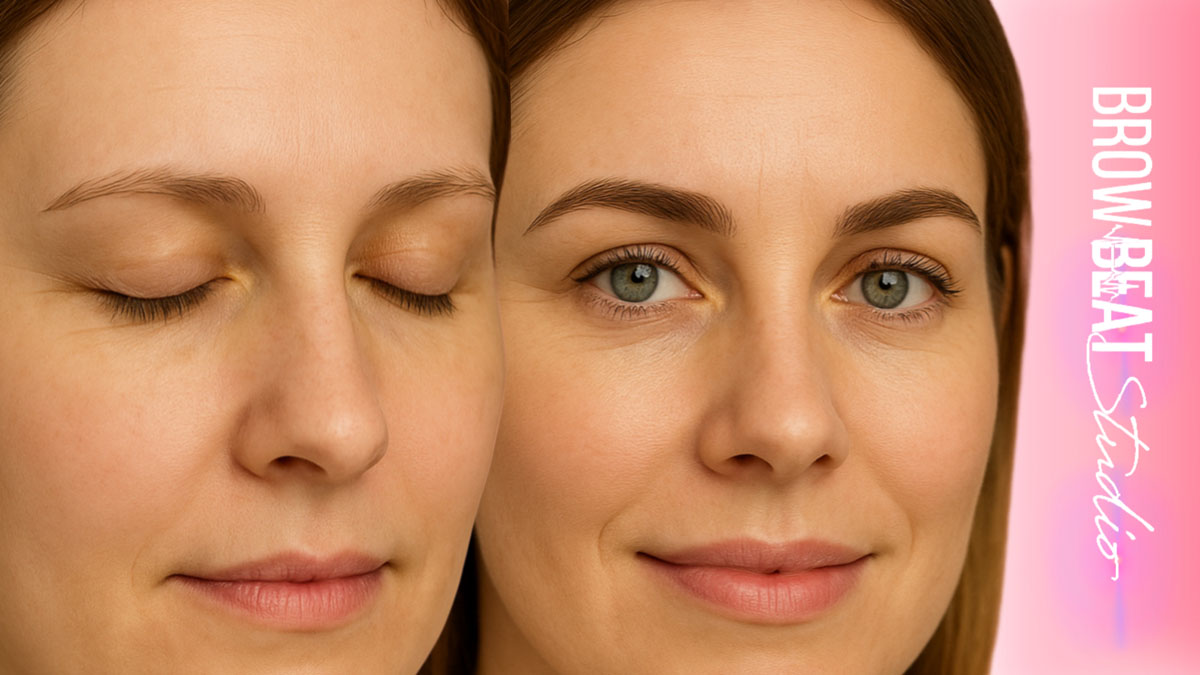
Clients became educated. Artists became more skilled. Techniques became more refined.
And through all of that, shading emerged not as a replacement — but as the most adaptable, sustainable foundation for modern brows.
Because at the end of the day, it’s still dots and lines.
How we place them is what turns technique into art.
Ready To Start Your Brow Journey?
If you’re excited about modern, sustainable brows and want a customized plan built around your face and your lifestyle, now is the perfect time to take the next step.
Schedule your appointment:
https://www.browbeatstudio.com
Read other exciting and informative blogs by BrowBeat Studio Dallas: