
Last Updated: January 2026
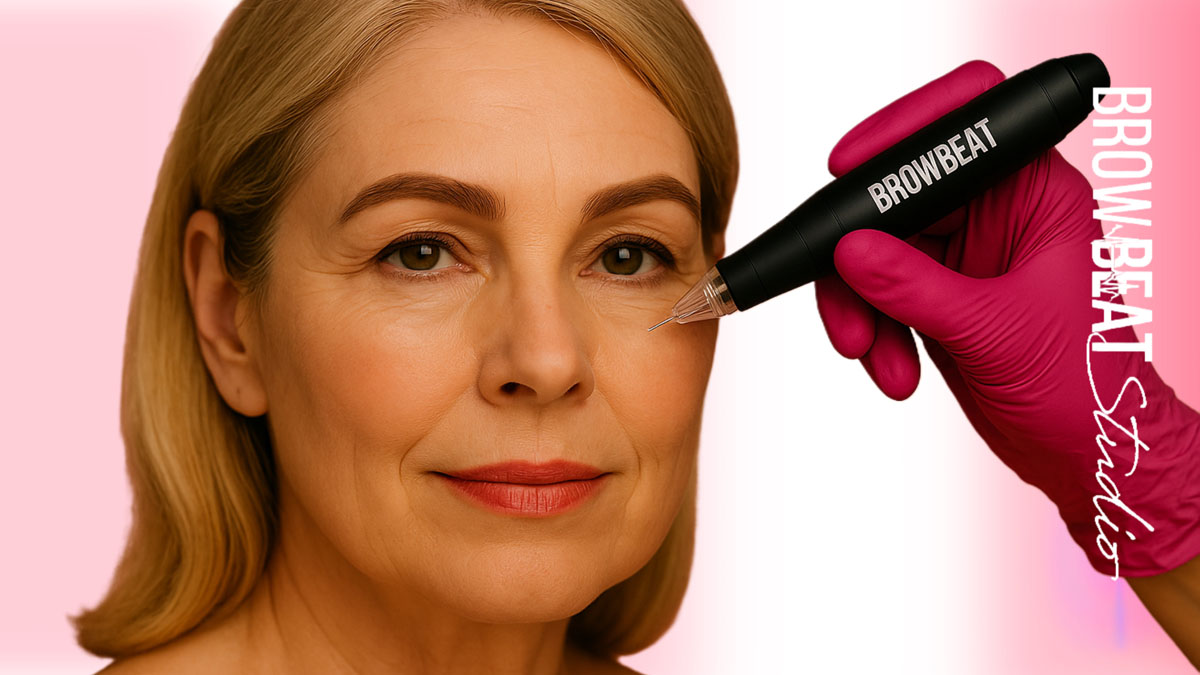
If you are experiencing eyebrow thinning or complete brow loss due to alopecia, you are not alone. Many Dallas clients seek cosmetic eyebrow restoration to rebuild natural-looking brow structure and regain facial balance. While hair regrowth is not always possible, modern cosmetic shading and micropigmentation techniques allow professionals to restore the appearance of brows in a controlled, customized way.
Eyebrow restoration for alopecia focuses on visual enhancement rather than medical treatment. The goal is to recreate natural brow definition, improve facial symmetry, and provide long-lasting cosmetic results that align with each client’s skin type and facial structure.
Because alopecia affects individuals differently, restoration approaches are always personalized. Some clients experience partial thinning, while others have complete brow loss. This variation makes professional evaluation and customized shading strategies essential.
What Is Alopecia Eyebrow Restoration?
Alopecia eyebrow restoration refers to cosmetic techniques used to rebuild the appearance of eyebrows when natural hair growth is limited or absent. This process uses soft shading and micropigmentation methods to create structured brow definition that blends naturally with the client’s skin tone and facial features.
Unlike traditional makeup, cosmetic eyebrow restoration provides longer-lasting results that do not smudge or fade throughout the day. Many Dallas clients choose this option because it offers convenience, consistency, and improved confidence.
Restoration is not about creating heavy or overly dramatic brows. Instead, professionals focus on subtle layering, tone balancing, and controlled pigment placement to achieve natural-looking enhancement.
Why Soft Shading Is Commonly Used For Alopecia Restoration
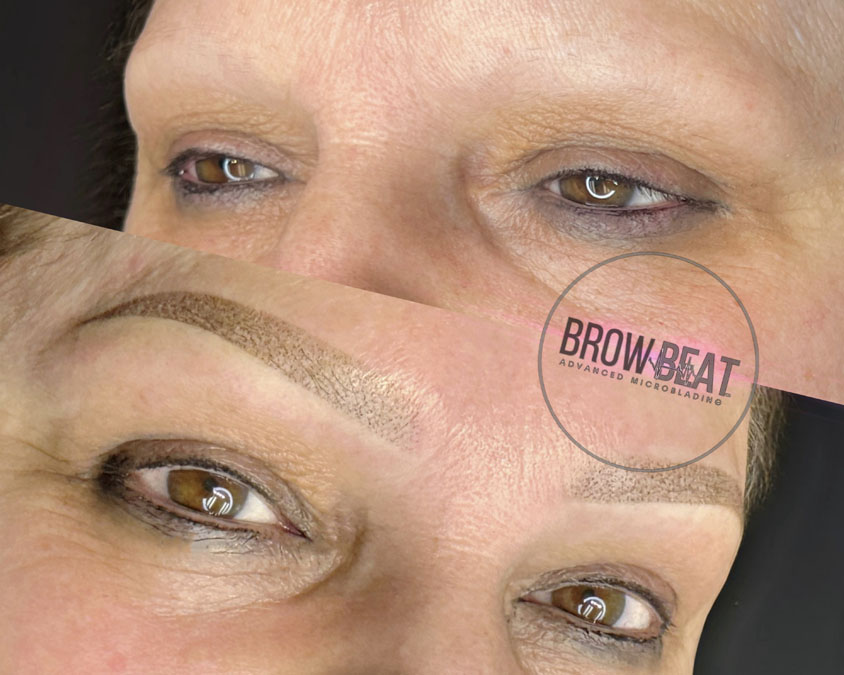
Soft shading techniques are often preferred for alopecia restoration because they allow pigment to be layered evenly across the brow area. When hair growth is limited, shading provides visual density without relying on individual hair patterns.
This approach allows for:
- Smooth color transitions across the brow area
- Balanced density that looks natural on the skin
- Customized shaping based on facial structure
- Controlled pigment saturation for long-term stability
Because shading distributes pigment gradually, it creates softer results compared to harsher tattoo-style applications. This makes it especially suitable for clients seeking subtle enhancement rather than bold cosmetic effects.
Who Benefits Most From Eyebrow Restoration For Alopecia?
Eyebrow restoration services are commonly sought by individuals experiencing:
- Autoimmune-related hair loss affecting brows
- Genetic thinning or sparse eyebrow growth
- Stress-related hair shedding
- Medical treatment-related brow loss
- Long-term over-plucking that never fully recovered
Clients with partial brow hair may use restoration techniques to enhance fullness and structure. Those with minimal or no brow hair often rely on shading to create the appearance of balanced, natural-looking brows.
Because alopecia presents differently for each person, restoration plans are always customized to individual needs.
Why Dallas Clients Choose Cosmetic Eyebrow Restoration
Dallas is home to a diverse population with varied skin types, lifestyles, and aesthetic preferences. Many clients choose cosmetic eyebrow restoration because it offers a reliable solution that fits active schedules and eliminates daily makeup routines.
Eyebrow restoration provides consistent appearance throughout the day, regardless of heat, humidity, or activity level. This makes it especially appealing for clients who want dependable results without constant maintenance.
In addition, professional restoration allows clients to work with trained specialists who understand facial proportions, pigment behavior, and long-term fading patterns.
How Eyebrow Restoration Differs From Traditional Makeup
Traditional eyebrow makeup relies on surface-level application that must be reapplied daily. Cosmetic restoration techniques implant pigment into the upper layers of the skin, allowing for longer-lasting enhancement.
Key differences include:
- Longer wear compared to daily makeup
- More consistent shape and symmetry
- Resistance to smudging and sweating
- Reduced daily maintenance
For alopecia clients, this consistency is especially valuable. Restoration provides reliable brow appearance even when natural hair growth is unpredictable.
What Makes Alopecia Restoration Different From Standard Brow Services
Eyebrow restoration for alopecia requires specialized planning compared to routine cosmetic brow services. Professionals must consider skin condition, pigment retention behavior, and long-term fading patterns.
Unlike clients with full brow hair, alopecia restoration relies heavily on shape mapping and pigment layering to create natural proportions. This process requires careful measurement and customized pigment selection.
Because skin response varies from person to person, restoration specialists evaluate each client individually before developing a treatment plan.

Setting Realistic Expectations For Eyebrow Restoration
Cosmetic eyebrow restoration is designed to improve appearance and restore visual balance — not to replicate natural hair growth. While results can be highly realistic and aesthetically pleasing, expectations should be grounded in the understanding that pigment behaves differently than hair.
Clients should expect gradual development of results as pigment settles into the skin and softens during the healing process. Final appearance is achieved over time rather than immediately after the first session.
Open communication and professional guidance are essential parts of achieving satisfying restoration outcomes.
Why Professional Evaluation Matters
Before beginning alopecia eyebrow restoration, professional evaluation helps determine the most appropriate approach. Specialists assess:
- Skin texture and oil production
- Existing pigment or previous tattoo work
- Natural facial proportions
- Desired shape and density preferences
This evaluation ensures the restoration plan aligns with realistic outcomes and supports long-term satisfaction.
By approaching restoration with customized planning, Dallas clients can achieve balanced, natural-looking eyebrow enhancement that complements their facial features. All BrowBeat bookings have consultation times prior to the commencement of services.
How Soft Shading Restoration Is Performed
Eyebrow restoration for alopecia is performed using controlled shading and micropigmentation techniques that layer pigment gradually into the skin. This process focuses on building soft definition, balanced tone, and consistent structure rather than creating harsh outlines or heavy saturation.
During restoration, professionals work in multiple light passes rather than depositing dense pigment in a single session. This layered approach allows the skin to respond naturally and helps create smoother, more even results.
Shading techniques are adjusted based on skin type, existing pigmentation, and the degree of hair loss. Clients with partial brow hair may require lighter layering, while those with minimal hair coverage often need additional density support.
Why Mapping And Shape Design Matter For Alopecia Clients
Shape design plays a critical role in eyebrow restoration. When natural brow hair is limited or absent, proper mapping ensures the restored brow follows natural facial proportions.
Professionals carefully measure:
- Brow starting points
- Arch placement
- Tail positioning
- Overall symmetry
Accurate mapping prevents brows from appearing too close together, overly wide, or uneven in height. This step is especially important for alopecia clients because there is often little natural hair reference available.
Custom shape design allows restoration results to complement facial structure rather than overpower it.

Understanding Pigment Selection For Restoration
Pigment selection is a critical part of the restoration process. Professionals choose tones based on skin undertone, natural hair color (when present), and long-term fading behavior.
Rather than selecting overly dark pigments, restoration specialists typically begin with softer tones that can be gradually adjusted over time. This approach allows results to remain natural-looking as the pigment heals and settles.
Because pigment interacts with skin chemistry differently for each individual, careful color selection helps avoid unnatural warmth or dullness during healing.
Why Multiple Sessions Are Often Necessary
Eyebrow restoration for alopecia is rarely completed in a single appointment. Multiple sessions allow pigment to be layered gradually and evaluated between healing cycles.
Spacing sessions provides several benefits:
- Allows the skin to fully heal between treatments
- Prevents over-saturation
- Helps refine shape and density gradually
- Creates more stable long-term results
This phased approach protects skin health while improving overall restoration quality.
What Clients Experience During Restoration Sessions
During restoration appointments, clients typically experience mild pressure and vibration sensations as pigment is applied. Comfort measures are used to help minimize discomfort throughout the process.
Sessions often include:
- Pre-treatment brow mapping
- Pigment shade selection
- Gradual layering of shading
- Symmetry adjustments
- Final refinement
Appointment length varies depending on the degree of restoration needed and the complexity of the case.
What Happens Immediately After Treatment
Immediately after restoration, brows may appear darker and more defined than the final healed result. This is a normal part of the healing process.
Over the following days, pigment softens as the skin begins to recover. Color intensity gradually reduces as surface healing occurs.
Clients are provided with aftercare instructions to protect the treated area and support proper healing.
Why Healing Time Matters For Final Results
Healing time plays a major role in how restoration results develop. During the healing phase, pigment settles into the skin and color stabilizes.
Factors that influence healing include:
- Skin type
- Natural oil production
- Sun exposure
- Aftercare compliance
Allowing full healing between sessions ensures adjustments are made based on stabilized pigment rather than temporary post-treatment appearance.

How Lifestyle Impacts Restoration Outcomes
Dallas clients should consider lifestyle factors that affect pigment retention. Heat, sweating, skincare routines, and sun exposure can influence how pigment behaves during healing.
Protecting the brow area and following professional aftercare recommendations helps preserve restoration results and maintain even pigment distribution.
Why Alopecia Restoration Requires Specialized Experience
Eyebrow restoration for alopecia requires a different skill set than standard cosmetic brow services. Professionals performing restoration work must understand skin response, pigment behavior, and long-term visual balance.
Because alopecia clients often present unique challenges, experience plays a major role in achieving natural-looking outcomes.
Working with a specialist who understands restoration techniques increases the likelihood of stable, predictable results.
Healing Timeline After Eyebrow Restoration
After alopecia eyebrow restoration, the healing process plays a critical role in how final results develop. Immediately following treatment, the brow area may appear darker and more defined than expected. This initial appearance softens gradually as the skin begins to recover.
During the first several days, mild sensitivity and surface dryness are normal. As healing progresses, pigment begins to settle into the skin and color stabilizes.
Full visual stabilization typically occurs over several weeks. This timeframe allows professionals to accurately assess pigment retention and determine whether additional refinement sessions are needed.
What Results Look Like After Healing
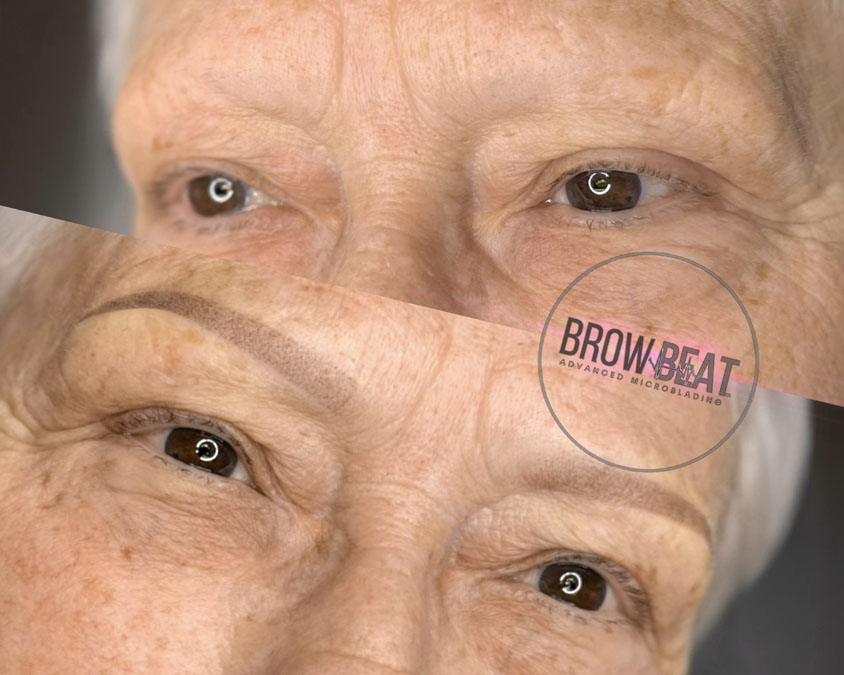
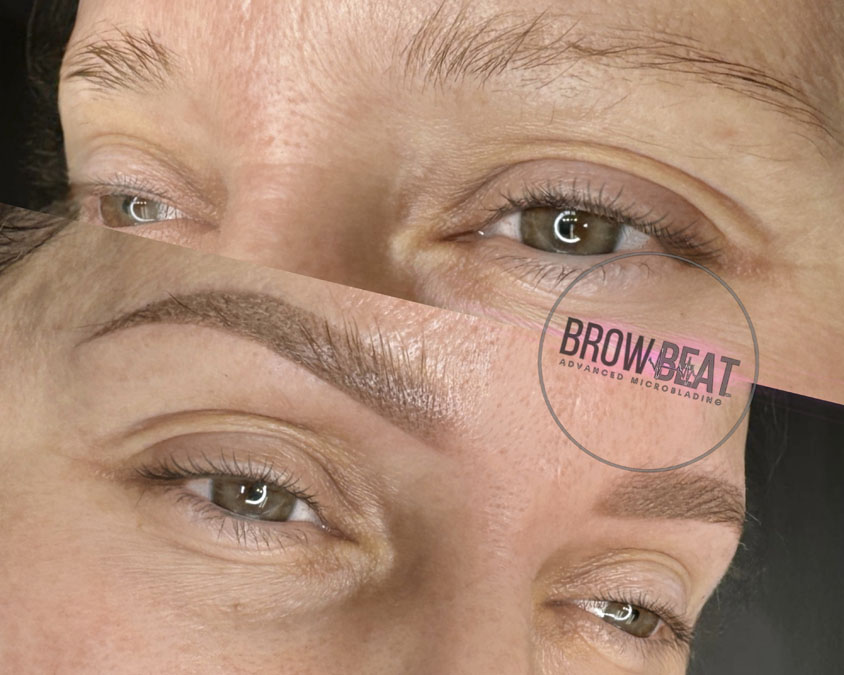
Once healed, restored brows appear softer and more balanced than the immediate post-treatment stage. The goal of alopecia restoration is to create natural-looking definition that complements facial structure rather than drawing attention to the cosmetic procedure itself.
Clients often notice:
- Improved brow symmetry
- More consistent shape and structure
- Balanced tone across the brow area
- Enhanced facial framing
Because shading techniques are layered gradually, results develop progressively rather than appearing dramatically overnight.
How Long Alopecia Restoration Results Typically Last
Eyebrow restoration using shading and micropigmentation is considered semi-permanent. Over time, pigment fades gradually depending on skin type, lifestyle, and environmental exposure.
Many clients schedule periodic maintenance appointments to preserve shape definition and color balance. Maintenance intervals vary, but most individuals benefit from refresh sessions at 12 – 18 months as pigment naturally lightens.
Understanding long-term maintenance expectations helps clients plan realistically and maintain consistent appearance.
Why Aftercare Is Important For Restoration Success
Proper aftercare plays a significant role in the quality of restoration results. Following professional instructions protects the treated area and supports even pigment retention.
General aftercare guidelines may include:
- Avoiding excessive moisture on the brow area
- Limiting sun exposure during healing
- Refraining from heavy skincare products near the brows
- Avoiding excessive sweating in early healing stages
Adhering to these recommendations helps ensure pigment settles evenly and maintains long-term stability.
Why Dallas Climate Can Affect Healing
Dallas weather conditions, including heat and humidity, can influence the healing process. Increased sweating and sun exposure may impact pigment retention if proper precautions are not taken.
Clients are encouraged to protect the brow area during outdoor activities and follow professional aftercare guidance to support optimal healing.
Who Should Avoid Immediate Restoration
Not every individual is an immediate candidate for alopecia eyebrow restoration. Clients with certain skin conditions, active irritation, or unresolved brow area sensitivity may need to postpone treatment.
Professional evaluation ensures restoration is performed under appropriate conditions and reduces the risk of complications.
Eyebrow Restoration Services In Dallas
Dallas clients seeking alopecia eyebrow restoration benefit from working with experienced cosmetic professionals who understand shading techniques and long-term pigment behavior.
Professional restoration services focus on personalized design, balanced pigment application, and gradual refinement to achieve natural-looking enhancement.
Clients interested in exploring restoration options can learn more about available services by visiting our Dallas cosmetic eyebrow services page.
What To Remember About Alopecia Eyebrow Restoration
Eyebrow restoration for alopecia is a cosmetic solution designed to improve appearance and restore facial balance. Results depend on skin type, pigment response, healing behavior, and long-term maintenance.
Soft shading techniques provide a controlled, customizable approach that allows professionals to build natural-looking brow structure for clients experiencing hair loss.
Approaching restoration with realistic expectations and professional guidance leads to more predictable outcomes.
Schedule Your Alopecia Eyebrow Restoration Appointment In Dallas
If you are considering alopecia eyebrow restoration in Dallas and would like professional guidance on what is achievable, scheduling an appointment with an experienced cosmetic brow specialist is the next step.
At BrowBeat Studio Dallas Advanced Microblading Experts, our team focuses on customized restoration planning, balanced shading application, and long-term aesthetic results for clients seeking eyebrow enhancement solutions.
Enjoy more semi-permanent makeup blogs: