
Last Updated: January 2026
The Cheat Sheet (So You Don’t Have to Fall Down a 47-Tab Rabbit Hole)
Welcome to the eyebrow decision zone—where screenshots, salon menus, and “my friend said…” opinions all fight for the crown. If you’ve ever stared at a list of brow services and thought, “Why do these all sound like different names for the same thing?” you’re not alone. The terminology can feel like a menu written in another language—except the menu costs more than a flight to Cabo and you’re wearing it on your face.
This is your cheat sheet: a clear, engaging, no-drama breakdown of microblading, microshading, and microfeathering—what each technique means, what it tends to look like in real life, and how the industry is evolving as we move toward 2030 and beyond.
One important truth first: all three live under the umbrella of semi-permanent makeup. That means pigment is placed in the upper layers of the skin to enhance your brows in a way that’s designed to soften over time. It’s not meant to behave like a traditional body tattoo, and it’s not meant to be “one-and-done forever.” If you want a broader overview of where modern techniques are heading, bookmark this: best semi-permanent makeup techniques in 2025.
Microblading (Hair Strokes, Classic Edition)
Microblading is a manual hairstroke technique. The tool creates fine stroke patterns designed to mimic natural brow hairs. When it’s done well and paired with the right skin type, microblading can look incredibly natural—like your brows just decided to be cooperative for once.
- Visual goal: hair-like strokes
- Best-known for: realistic texture (when skin supports it)
- What surprises clients: strokes can soften faster on certain skin types
If you’ve been seeing more conversations lately about whether microblading is the best long-term play, you’re not imagining it. The industry is actively reassessing longevity, stability, and how different skin types wear strokes. This deep comparison is a helpful reference: microblading vs powder brows in 2025 and why powder can be a stronger long-term choice.
Microshading (Soft Density, “I Woke Up Like This” Makeup Finish)
Microshading (often grouped with powder-style shading) focuses on soft density. Instead of drawing individual hairs, the technique builds a gentle “filled-in” look using layered pigment placement. Think of it as the difference between drawing individual eyelashes vs adding a soft eyeliner effect—both can be beautiful, but they read differently.
- Visual goal: soft, makeup-like fullness
- Best-known for: consistent structure and smoother aging in many cases
- What surprises clients: it can look bold at first and then soften into its final look
Microshading has gained momentum because modern clients are asking a different question than they did in 2018. It’s not just “How will it look next week?”—it’s “How will it look next year?” If you want a future-forward overview of what’s working now, this is a strong read: best powder brow techniques for 2025.
Microfeathering (The Niche Minimalist)
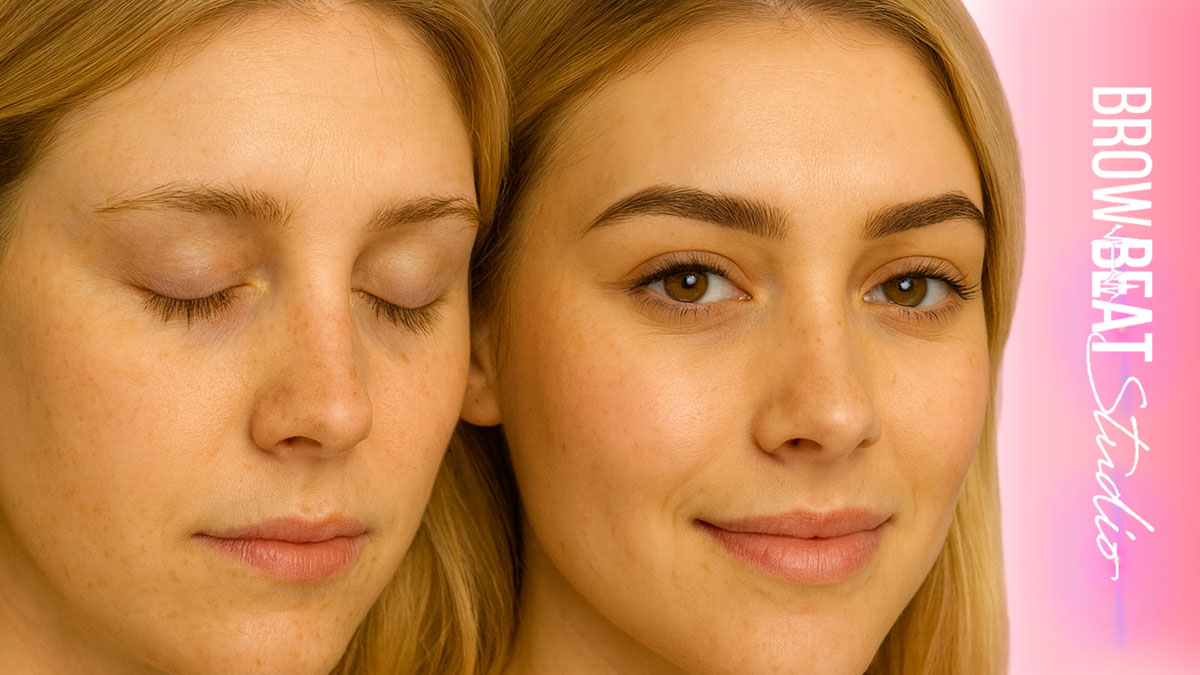
Microfeathering is often described as a lighter, more selective approach to hairstrokes—used to add subtle definition in sparse areas rather than rebuild the entire brow. It’s the “no-makeup makeup” of the brow world: delicate, intentional, and best for people who already have a decent amount of natural brow hair but want gaps softened.
- Visual goal: subtle refinement, not full reconstruction
- Best-known for: minimal enhancement
- Reality check: it’s not designed to create a dramatic makeover
Microfeathering isn’t “bad” or “outdated”—it’s simply more niche. If someone has very sparse brows or wants a more defined makeup structure, shading or hybrid options often make more sense long-term.
Quick “Sticky Note” Cheat Sheet
Microblading: hair strokes, classic textured look, depends heavily on skin behavior.
Microshading: soft filled density, stable structure, modern longevity-first favorite.
Microfeathering: subtle gap refinement, minimalist outcome, best for already-present brow hair.
Now that the definitions are clear, the real value is understanding how these options compare when life happens: skin changes, seasons change, skincare changes, and your “I want my brows bold” phase becomes your “I just want them balanced” era.
Comparisons That Actually Help You Choose (Text Only, No Tables)
If you want the simplest truth: technique labels matter less than the outcome you want and the skin you have. The same service name can heal differently on different people, which is why comparison should focus on wearability, maintenance expectations, and long-term stability.
Microblading vs Microshading
Microblading is stroke-focused. If you love the look of individual hairs and your skin holds fine detail well, it can be beautiful. The tradeoff is that strokes are fine details—so they can soften quicker on oilier or more textured skin.
Microshading is density-focused. It builds a soft filled look that often reads more consistent from month to month. Many clients prefer shading when they want a brow that stays visually “together” even as it softens naturally.
If you’re deciding between the two specifically for longevity and structure, this comparison is worth reading alongside your decision: why powder-style brows are often positioned as the better long-term choice.
Microblading vs Microfeathering
Both are stroke-based in spirit, but they serve different goals. Microblading is often used to create a more complete hair-stroke pattern across the brow. Microfeathering is typically lighter and more selective—more like “spot enhancement” than “full structure.” If you want a noticeable change in shape and density, microfeathering may feel too subtle.
Microshading vs Microfeathering
Microshading builds a soft “filled” look and can be tailored from airy to more defined. Microfeathering stays minimal by design. If you wear brow makeup regularly or want a more consistent shape, shading usually aligns better with that preference. If you want “barely there but better,” microfeathering is the minimalist lane.
Skin Type Compatibility (The Quiet Dealbreaker)
This is where the internet gets loud and the body gets honest. Technique performance is influenced by oil production, texture, pores, sun exposure, skincare habits, and the way your skin heals. That’s why “experience” isn’t just a buzzword—it’s a real factor in matching technique to skin so results look balanced after healing. If you want a strong explanation of how experience ties into outcomes, read: experience matters when choosing a microblading and ombré powder brow artist.

Mature Skin Considerations (Why the Industry Shifted)
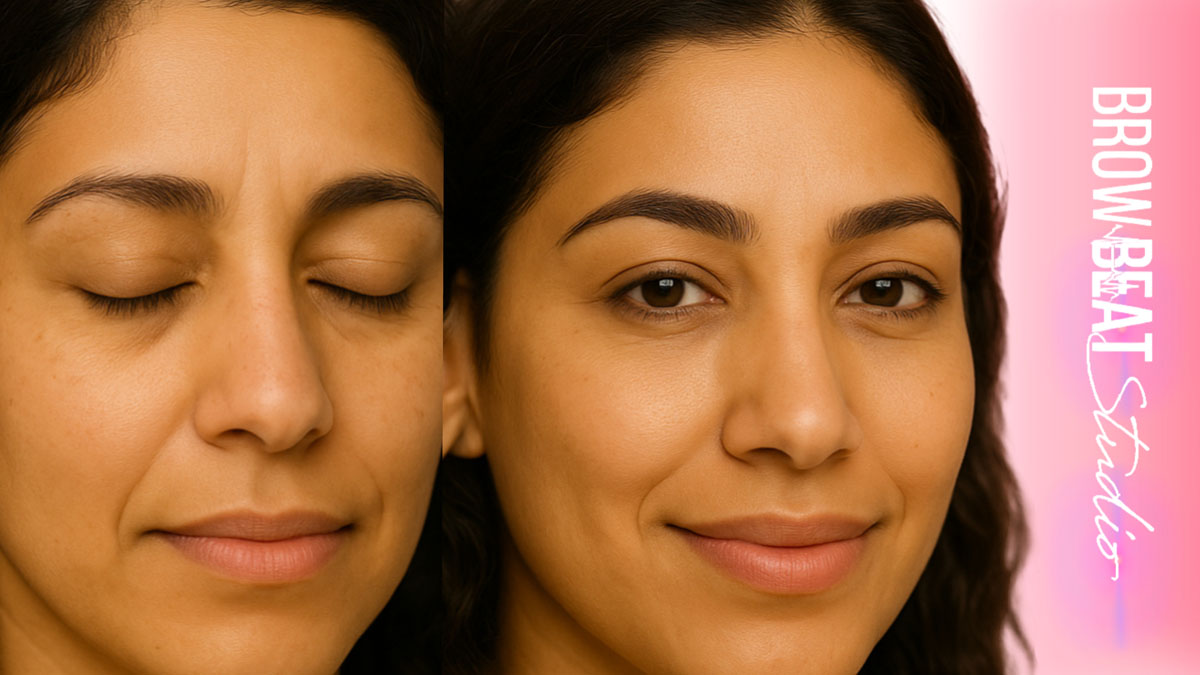
As more clients with mature skin explored semi-permanent makeup, the industry saw a clearer pattern: shading-based approaches often create a softer, more stable look as skin changes with time. This doesn’t mean microblading is “off limits,” but it does mean the technique choice becomes more nuanced. If you want a focused read on this exact point: why mature clients are often better suited for powder brows over microblading.
Melanin Considerations (Because Pigment Behavior Isn’t One-Size-Fits-All)
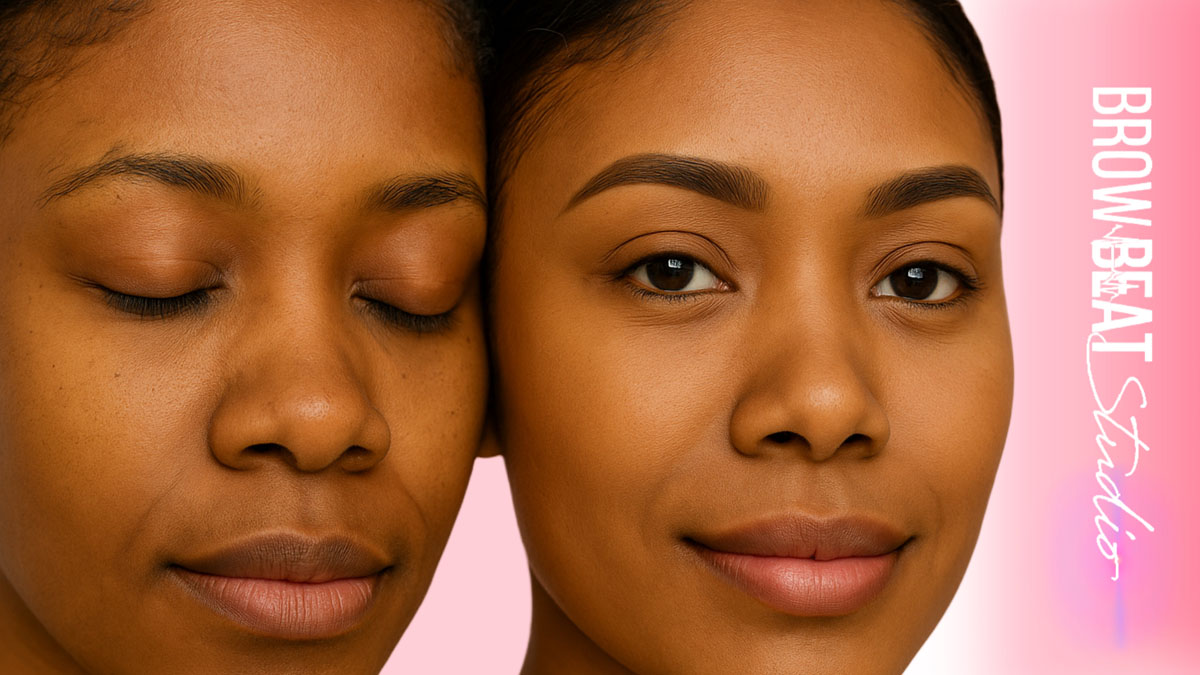
For clients with higher melanin skin, and for clients with lower melanin skin, pigment healing and visibility can differ. This is why comparisons should include skin tone considerations—not as a scary topic, but as a planning topic. If you want the pros and cons framed clearly: microblading vs ombré powder brows for high melanin and low melanin skin.
Maintenance: The Part That Makes Great Brows Stay Great
Here’s the unglamorous truth that makes long-term results better: maintenance is normal. Semi-permanent makeup is designed to soften over time. That isn’t a flaw. It’s the system working as intended. The difference between “I loved my brows for years” and “I loved them for a season” often comes down to realistic maintenance planning and not waiting until brows are completely faded before refreshing.
If you want a direct, practical explanation of why annual maintenance is commonly treated as essential, read: why annual maintenance is essential.
Buyer Mistakes That Waste Time (And Brows)
- Choosing the trend instead of the match: A trending technique can still be the wrong fit for your skin and daily look.
- Expecting identical results across all clients: Healing outcomes vary because skin behavior varies.
- Ignoring the second treatment and maintenance cycle: Long-term results require a plan.
- Only thinking about fresh brows: Healed results are the real goal.
A Simple Decision Lens (Fast and Calm)
If you want hair-like texture: explore microblading or machine hairstrokes, but prioritize skin compatibility and long-term expectations.
If you want a soft filled look: explore shading-based methods like powder/ombré styling.
If you want a blend of texture + stability: hybrid approaches often provide balance.
If you want longevity-first structure: shading is frequently the simplest path to consistency over time.
The New Frontier: 2030 and Beyond (Where Brows Are Actually Heading)
The next era of semi-permanent makeup isn’t about louder brows. It’s about smarter brows. The industry is moving toward planning, predictability, and wearability—and clients are becoming better buyers. They want long-term beauty strategies, not one-week transformations.
Healed Results Are Becoming the Real Standard
For years, the “fresh reveal” dominated the conversation. Now, healed results are the benchmark clients care about. The next-gen client asks: How will this look after healing? How will it soften? Will it still feel like me six months from now?
This shift naturally supports techniques and strategies that age gracefully—especially shading-based approaches that maintain structure as they soften. If you want to align this cheat sheet with what’s current in education-forward brow planning, this overview supports that lens: best semi-permanent makeup techniques in 2025.
Wearability Is the New Flex
Brows aren’t just being designed for photos anymore. They’re being designed for real life: daylight, gym lighting, office lighting, car lighting (the most humbling lighting), and the “front camera at 7 a.m.” reality test. Results that look balanced in real life—not just in a filtered close-up—are becoming the new standard of quality.
Education Is Becoming the Luxury
In the early boom years, fast transformations and dramatic reveals drove bookings. Now, education is the premium experience. Clients want clarity, transparency, and realistic planning. The future belongs to businesses that teach buyers what they’re purchasing and why the plan fits their skin and goals.
Longevity-First Planning Is Replacing Trend-Chasing
The most modern brow mindset is “future-proof.” It’s not just “What looks good today?” It’s “What will still look good as my skin changes?” If you like that philosophy and want a deeper read, this aligns perfectly: thinking not just for today, but for the future of your brows.
Maintenance Culture Will Become Normal (And That’s a Good Thing)
Maintenance is becoming less stigmatized and more normalized—like hair color, skincare, or any aesthetic routine. Clients are learning that “softening over time” is expected and that maintaining brows is part of keeping them looking balanced and intentional.
For a deep practical guide on the care side (without turning this blog into an aftercare manual), this resource can support readers who want details: microblading aftercare in 2025.
Final Cheat Sheet Mindset
Instead of asking “Which brow technique is trending?” ask these:
- Do I want strokes, shading, or a blend?
- How does my skin typically behave with products and healing?
- Do I want a more natural texture or a softly filled look?
- Am I comfortable with maintenance as a normal part of the plan?
Closing Thought
Microblading, microshading, and microfeathering aren’t competing “names.” They’re tools—each designed to create a different look and to suit different skin behaviors. The future of brows isn’t about chasing the newest label. It’s about choosing the method that matches your skin, your style, and your long-term expectations—so your brows look intentional now and still feel like you later.
Got you interested? Hours more content below: