

Last Update: January 2026
Microblading and semi-permanent brow treatments have transformed the beauty industry, offering natural-looking eyebrow enhancement and restorative solutions for clients experiencing hair loss. While these treatments are widely popular, understanding the healing process, skin response, and technique differences is essential for both cosmetic and restorative clients.
This guide explores common healing reactions, what is considered normal, how restorative clients such as those experiencing alopecia or chemotherapy-related hair loss may benefit from alternative brow techniques, and why powder brows and shading methods are often preferred for sensitive or paramedical-style treatments. Whether you are seeking aesthetic enhancement or brow restoration, this comprehensive overview helps you make informed decisions.
Understanding Semi-Permanent Brow Treatments
Semi-permanent eyebrow treatments involve implanting pigment into the upper layers of the skin to enhance or restore brow shape. Techniques such as microblading, powder brows, shading, and hybrid approaches are customized based on skin type, lifestyle, and desired appearance.
Unlike traditional tattooing, these cosmetic procedures are designed to fade gradually over time, allowing flexibility in shape, color intensity, and style. For many Dallas clients, these treatments provide a non-surgical way to improve facial balance and confidence.
What Happens To The Skin During Healing?
After any cosmetic brow procedure, the skin activates its natural repair response. This includes temporary inflammation, increased blood flow to the area, and surface regeneration. These reactions are part of the normal healing cycle and help stabilize pigment placement.
During the first few days, clients may experience mild redness, swelling, and darker pigment appearance. As the skin regenerates, light flaking or dryness may occur before the final healed result becomes visible.
Microblading Healing Timeline: What To Expect
Understanding the healing timeline helps clients feel confident throughout the recovery process.
- Days 1–3: Mild redness, slight swelling, and darker pigment appearance.
- Days 4–10: Light flaking or dryness as skin renews.
- Weeks 2–4: Pigment softens and skin stabilizes.
- Weeks 4–8: Full epidermal recovery and final color appearance.
This gradual process is expected and varies slightly depending on skin type and aftercare practices.
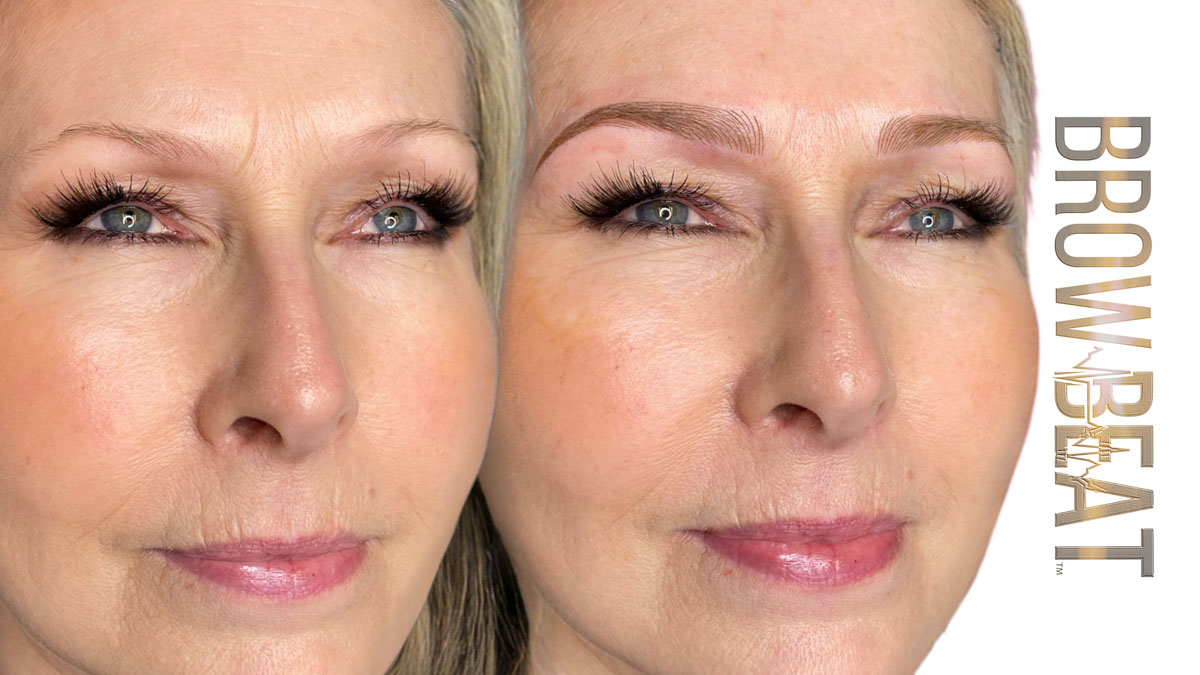
Common Short-Term Healing Reactions
Most clients experience mild and temporary reactions that resolve naturally. These include:
- Redness around the brow area
- Minor swelling
- Tight or dry skin sensation
- Light flaking during healing
- Temporary dark pigment appearance
These responses are part of the skin’s regeneration process and typically subside within the first one to two weeks.
Restorative Brow Treatments For Hair Loss Clients
Beyond cosmetic enhancement, semi-permanent brow techniques are increasingly used for restorative purposes. Clients experiencing eyebrow hair loss due to alopecia, chemotherapy, hormonal changes, or medical treatments often seek brow restoration to recreate natural appearance and facial balance.
Restorative brow treatments require a customized approach. Skin sensitivity, reduced hair density, and long-term stability must be considered when selecting the appropriate technique. This is where shading-based methods often provide superior results.
Healing Considerations For Alopecia And Chemotherapy Clients
Clients with medical-related hair loss may experience different healing patterns compared to cosmetic-only clients. Skin may be thinner, more sensitive, or prone to dryness, requiring gentler pigment implantation and specialized technique adjustments.
For these clients, comfort during healing, consistent pigment distribution, and predictable results are key priorities. Professional artists often adapt treatment strategies to ensure skin integrity and long-term appearance stability.
Why Powder Brows Are Often Preferred For Restorative Clients
For clients experiencing eyebrow hair loss due to alopecia, chemotherapy, or thinning brows, powder brow and shading techniques are frequently the preferred choice. Powder brows utilize a pixel-based shading method that creates soft density across the brow area without relying on individual hair-stroke placement.
This approach allows for more uniform pigment coverage, gentler interaction with delicate skin, and smoother healing outcomes. Powder brows also offer flexibility in saturation control, allowing artists to create realistic fullness while maintaining comfort and natural appearance.
Many Dallas restorative clients choose powder brows because the results blend seamlessly with existing hair and create the illusion of fuller, healthier brows without harsh lines or excessive skin disruption.
Microblading vs Powder Brows: Healing And Restoration Differences
Both microblading and powder brows offer beautiful results, but healing experience and skin response can differ depending on technique.
Cosmetic Enhancement Clients Often Choose:
- Microblading for fine hairstroke detail
- Powder brows for soft makeup-style finish
Restorative Brow Clients Often Prefer:
- Powder brows for consistent density
- Shading techniques for sensitive skin
- More uniform pigment healing
- Smoother recovery experience
This is why many brow restoration specialists recommend shading-based techniques when working with hair loss clients.
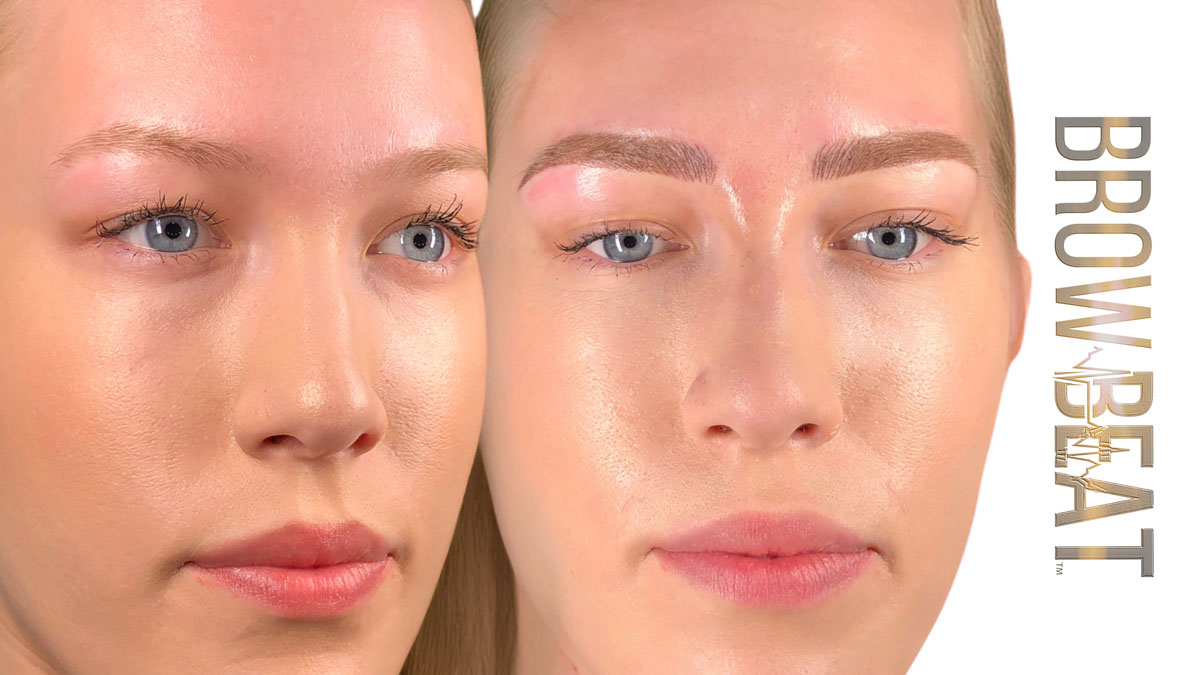
Choosing The Right Brow Technique In Dallas
Selecting the appropriate brow method depends on individual goals, skin type, and lifestyle factors. Dallas clients seeking long-term results often explore both cosmetic and restorative options before scheduling treatment.
For additional information about powder brow results and transformations, explore:
Powder Brow Before And After Images Dallas
To learn more about microblading treatment outcomes, visit:
Microblading Treatment Reviews Dallas
How To Support Proper Healing After Brow Treatments
Healing success is influenced by more than just the procedure itself. Client habits, aftercare consistency, and environmental exposure all play a role in how well the skin recovers and how evenly pigment settles. Whether receiving microblading or powder brows, following a structured aftercare plan supports stable results and smoother recovery.
Core Healing Support Principles
- Maintain gentle cleansing practices as directed by your artist
- Avoid excessive moisture exposure during early healing
- Protect the brow area from friction and pressure
- Allow natural skin regeneration to occur without interference
- Follow activity restrictions during the initial healing phase
Clients who approach healing with patience and consistency often experience more even color retention and reduced irritation during recovery.
Why Aftercare Consistency Matters
Aftercare is not optional — it is an extension of the treatment process. Improper aftercare can interfere with pigment stabilization and skin regeneration. This applies equally to cosmetic enhancement clients and restorative brow clients.
Many Dallas clients benefit from reviewing professional aftercare guidelines before scheduling. If you would like a structured breakdown, you can explore:
Microblading and Ombré Brow 14-Day Aftercare Guide
This resource outlines healing expectations and simple daily habits that support recovery.
How Different Skin Types Respond During Healing
Every client’s skin responds differently to semi-permanent brow treatments. Understanding skin type helps set realistic expectations and guides technique selection.
Dry Skin
Dry skin often heals smoothly with consistent pigment retention. However, clients may experience more noticeable tightness and flaking during the first week of healing.
Oily Skin
Oily skin may experience faster pigment fading due to increased oil production. For these clients, shading-based techniques such as powder brows often provide more consistent long-term appearance.
Sensitive Skin
Sensitive skin may show redness more quickly but typically calms with proper aftercare. Gentle technique application and controlled pigment saturation help minimize irritation.
Mature Skin
Mature skin tends to be thinner and may benefit from shading methods that provide softer density without heavy pressure. Many experienced artists prefer powder brows for mature clients due to smoother healing characteristics.
Hair Loss Affected Skin
Clients experiencing alopecia or medical-related hair loss may have altered skin texture or sensitivity. Shading techniques allow controlled pigment distribution while supporting comfort and predictable healing.
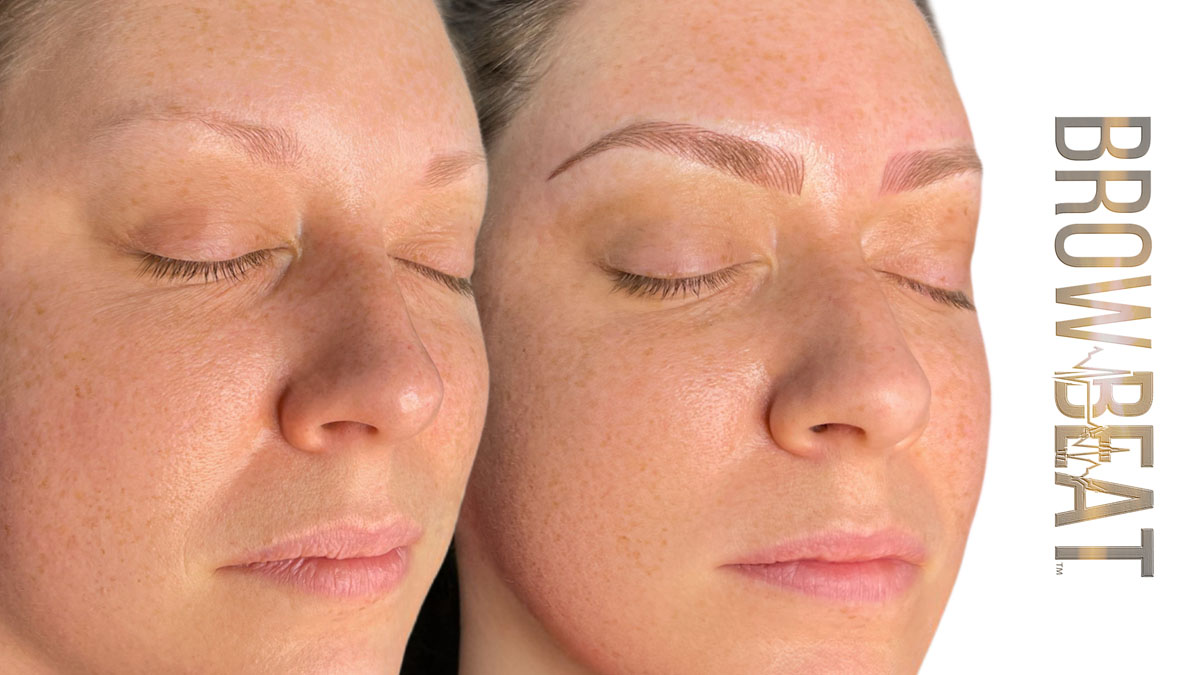
Why Powder Brows Often Heal More Uniformly For Restorative Clients
One of the key reasons shading-based techniques are frequently recommended for restorative clients is the way pigment is distributed. Powder brows use a pixel layering approach that creates gradual density across the brow rather than relying on individual strokes.
This method allows for:
- More consistent coverage across sparse areas
- Smoother visual healing transitions
- Reduced emphasis on individual stroke placement
- Better adaptability for sensitive or thin skin
For alopecia and chemotherapy clients, uniform healing appearance is often prioritized over hyper-detailed hairstroke effects. Powder brows provide the ability to recreate brow structure while maintaining softness and comfort.
Professional Treatment Standards That Support Healthy Healing
Healing outcomes are directly influenced by the standards followed during treatment. High-quality studios implement strict hygiene protocols and professional procedures that protect client safety and skin integrity.
Professional Studio Practices Include:
- Single-use sterile cartridges and tools
- Barrier protection for equipment
- Sanitized treatment stations
- Proper pigment handling procedures
- Glove usage and surface disinfection
These practices help minimize contamination risk and create a controlled treatment environment that supports clean healing.
Why Experience Matters For Both Cosmetic And Restorative Clients
The skill level of the artist plays a significant role in how the skin responds and how natural the final result appears. Experienced professionals understand skin behavior, pigment saturation control, and technique adjustments required for different client needs.
In Dallas, clients often seek artists who specialize in multiple brow techniques to ensure customized results. Those who offer both microblading and powder brow services can better tailor treatments based on skin condition and desired outcome.
If you are comparing service options, this article may be helpful:
Microblading vs Powder Brows: Long-Term Comparison
Environmental Factors That Influence Healing
Healing does not occur in isolation. Daily habits and environmental exposure can affect how quickly the skin recovers.
Sun Exposure
Direct sunlight can impact pigment appearance during early healing. Clients are often advised to limit sun exposure and protect the brow area during recovery.
Exercise And Sweat
Excessive sweating during the first week may interfere with pigment stabilization. Light activity is usually acceptable, but intense workouts may be postponed briefly.
Skin Products
Active skincare ingredients should be avoided near the brow area during healing. Gentle routines support skin recovery.
Managing Expectations For Cosmetic Enhancement Clients
Clients booking microblading or powder brows for cosmetic reasons often expect instant perfection. While brows may look defined immediately after treatment, the final result develops gradually.
Understanding the healing phases helps prevent unnecessary concern and supports realistic expectations. Patience is part of the process, and most clients report greater satisfaction once the skin fully stabilizes.
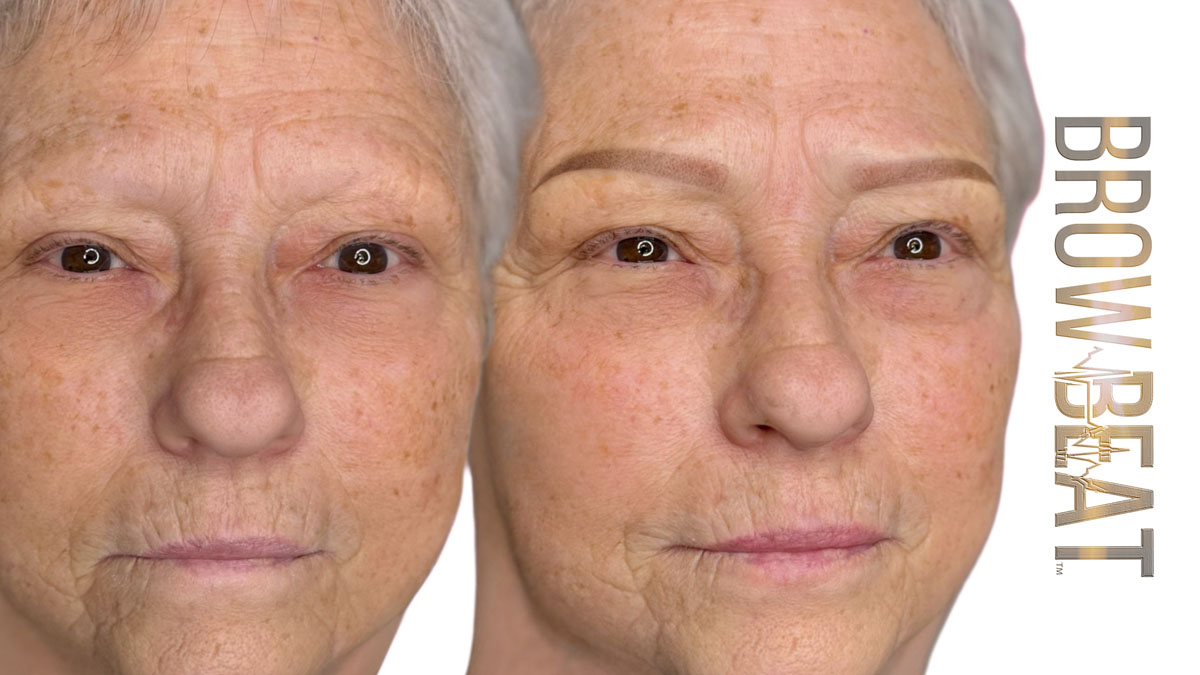
Managing Expectations For Restorative Brow Clients
For restorative clients, expectations may include emotional recovery and appearance confidence. Brow restoration can help recreate facial symmetry and support self-image following hair loss.
These clients often prioritize comfort, natural appearance, and stable healing outcomes over dramatic makeup-style finishes. Powder brows and shading methods allow artists to tailor results to meet these restorative goals.
Additional Resources For Healing Education
If you would like to explore more about healing and scabbing behavior across different brow techniques, you may find this resource helpful:
Microblading and Ombré Brow Scabbing Facts
The Emotional Side Of Brow Restoration
For many clients, eyebrow services go far beyond aesthetics. Brow loss can impact daily confidence, self-image, and emotional well-being. This is especially true for individuals experiencing alopecia, chemotherapy-related hair loss, or medical treatments that affect natural hair growth.
Restoring the appearance of brows often helps clients feel more like themselves again. Subtle facial framing can influence how people perceive their reflection, how they present themselves socially, and how comfortable they feel without daily makeup.
Because of this emotional component, restorative brow treatments require not only technical expertise but also a supportive, patient-centered approach.
Why Restorative Brow Services Require Specialized Attention
Restorative clients often arrive with unique needs compared to traditional cosmetic clients. These may include increased skin sensitivity, long-term hair loss patterns, or concerns about achieving natural-looking results that blend seamlessly with facial features.
Professional brow artists experienced in restorative techniques understand that subtlety and balance are critical. The goal is not to create heavy makeup-style brows, but to restore soft structure that complements natural facial expression.
This is one reason shading-based techniques such as powder brows are frequently chosen for paramedical-style brow services. They allow for gentle pigment layering that supports comfort while providing realistic density.
Supporting Clients Through The Restoration Process
Restorative brow clients often appreciate clear communication, education, and realistic expectations. Understanding how the treatment will look during healing, how long results typically last, and how maintenance works helps reduce uncertainty.
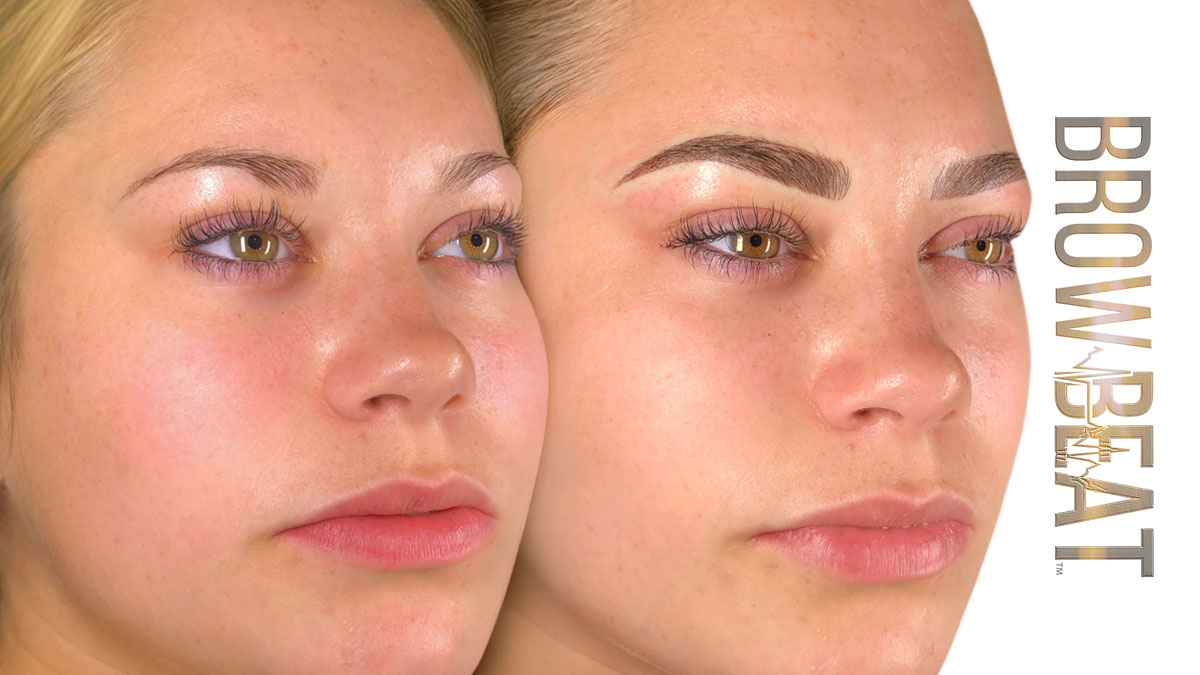
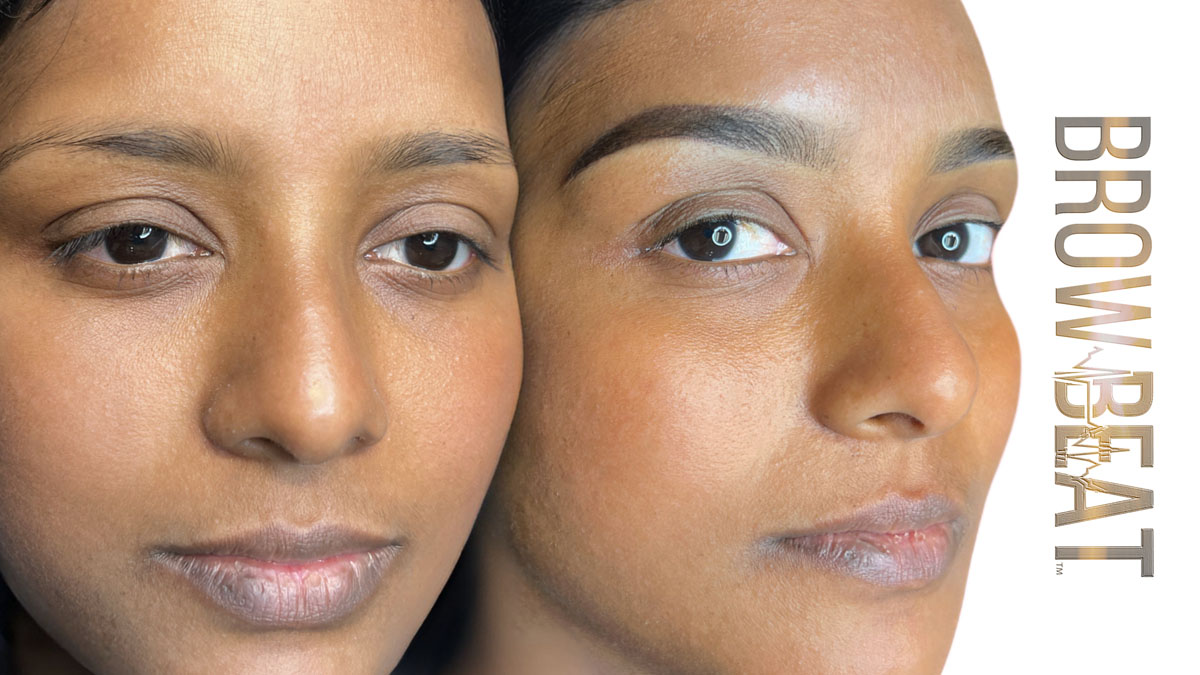
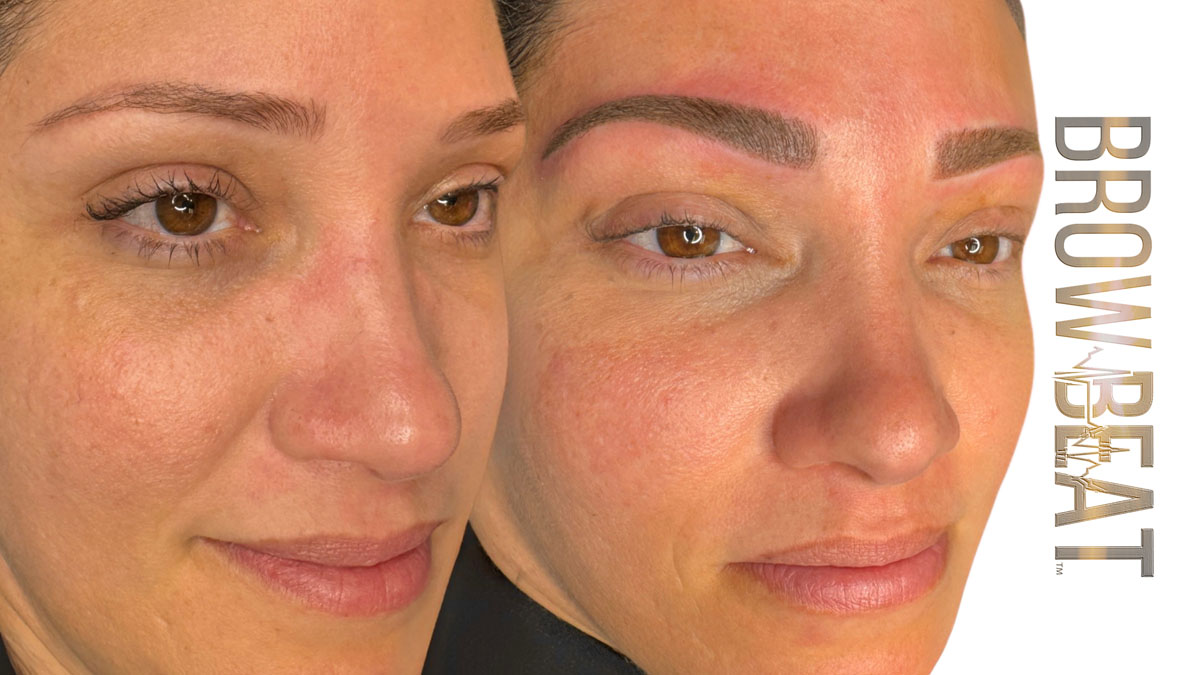
Many clients also value being able to see real transformations before scheduling. Viewing before-and-after results can help clients visualize potential outcomes and build confidence in their decision.
For visual examples, explore:
Powder Brow Before and After Images Dallas
And:
Combo and Hybrid Brow Transformations
Building Trust Through Transparency And Education
Trust is essential in both cosmetic and restorative brow services. Clients want to feel informed, supported, and confident that their artist understands their individual needs.
Educational content, clear aftercare guidance, and open discussion about technique selection help clients make empowered decisions. When clients understand why certain methods are recommended — such as powder brows for sensitive or hair-loss-affected skin — they are more likely to feel comfortable with the treatment process.
Why Many Dallas Clients Are Choosing Powder Brows For Restoration
Across Dallas and surrounding areas, powder brows have become increasingly popular among restorative clients. This trend is driven by the technique’s ability to create natural density while maintaining soft edges and even pigment distribution.
Powder brows allow artists to:
- Create realistic fullness for sparse or absent brows
- Adjust intensity based on client comfort and skin type
- Maintain consistent appearance through healing phases
- Blend results with existing hair when present
These advantages make powder brows especially suitable for alopecia and chemotherapy clients seeking subtle yet effective restoration.
Balancing Beauty Enhancement And Restorative Services
One of the strengths of modern brow studios is the ability to serve both beauty-focused and restorative clients. While some clients desire bold definition and makeup-style brows, others prioritize softness and natural reconstruction.
Offering multiple techniques allows artists to tailor treatments to individual goals rather than forcing a single approach. This flexibility is particularly important when working with hair loss clients who may require different strategies compared to traditional cosmetic enhancement cases.
Why Customization Matters In Brow Restoration
No two faces are identical, and no two restoration cases are the same. Factors such as bone structure, skin texture, facial symmetry, and remaining hair growth all influence how a brow restoration plan is developed.
Powder brow techniques offer customization flexibility that allows artists to adapt density, shape, and softness based on each client’s needs. This personalized approach supports more natural results and greater long-term satisfaction.
Maintaining Long-Term Brow Results
Both cosmetic and restorative brow clients benefit from understanding maintenance expectations. Semi-permanent brow treatments gradually fade over time and may require periodic refresh sessions to maintain optimal appearance.
For restorative clients, maintenance appointments help preserve brow density and structure as skin continues to regenerate and adapt. Proper aftercare, sun protection, and skincare habits also influence long-term results.
Creating A Comfortable Treatment Experience
Comfort is an important part of restorative brow services. Clients experiencing medical hair loss may have heightened sensitivity or emotional concerns related to appearance changes.
A professional studio environment that prioritizes cleanliness, clear communication, and respectful client care helps create a positive treatment experience. Feeling supported during the appointment process can significantly impact client satisfaction.
Why Choosing The Right Studio Matters
Not all brow studios offer restorative services or advanced shading techniques. Clients seeking paramedical-style brow restoration should look for studios that specialize in multiple techniques and understand skin diversity.
Studios with experience in powder brows, shading, and hybrid techniques are better equipped to handle both cosmetic and restorative cases. This expertise allows for customized solutions rather than one-size-fits-all treatments.
Continuing Education And Technique Development
The semi-permanent makeup industry continues to evolve. New pigment formulations, machine technology, and shading techniques allow artists to improve outcomes for both cosmetic and restorative clients.
Studios that prioritize ongoing education and technique refinement are often better positioned to deliver consistent results and adapt to different skin needs.
Why Restorative Brow Services Are Becoming More Mainstream
Awareness around alopecia, chemotherapy recovery, and hair loss support has grown significantly in recent years. As more clients seek non-surgical cosmetic solutions, restorative brow services have become an important part of the beauty industry.
Powder brows and shading techniques provide accessible options for individuals who want to restore their appearance without invasive procedures. This has helped expand access to confidence-building treatments for a wider range of clients.
Client Confidence Through Professional Guidance
Ultimately, brow restoration is about more than pigment placement. It is about guiding clients through a process that supports both appearance and emotional well-being.
Professional guidance, realistic expectations, and technique selection play key roles in achieving results that feel authentic and empowering for restorative clients.
Frequently Asked Questions About Brow Healing And Restoration
How long does it take for brows to fully heal?
While surface healing typically occurs within 7–14 days, full skin recovery may take up to 4–8 weeks. During this time, pigment settles and skin texture stabilizes. Restorative clients may experience slightly longer settling periods depending on skin sensitivity and healing response.
Do powder brows heal differently than microblading?
Yes. Powder brows generally heal with more uniform flaking and softer transitions. Because pigment is layered through shading rather than individual strokes, many restorative clients experience smoother visual healing and more consistent density.
Which brow technique is best for alopecia or chemotherapy clients?
While each client is unique, shading-based techniques such as powder brows are often preferred for hair loss restoration. They provide more even coverage, adaptability for sensitive skin, and predictable healing patterns.
Can clients with sensitive skin still get brow treatments?
Yes. Sensitive skin clients often benefit from customized pigment placement and gentler shading techniques. Powder brows allow controlled saturation and flexibility based on skin response.
How long do semi-permanent brow results last?
Most brow treatments gradually fade over time and typically maintain visible results for approximately 12–18 months depending on skin type, lifestyle, and aftercare practices. Maintenance sessions may help preserve optimal appearance.
Understanding Long-Term Maintenance For Restorative And Cosmetic Clients
Semi-permanent brow treatments are designed to evolve naturally over time. Environmental exposure, skincare routines, sun exposure, and natural skin regeneration all influence longevity.
Clients seeking long-term consistency often schedule periodic refresh appointments to maintain density and shape. This applies to both cosmetic enhancement clients and restorative clients seeking ongoing brow structure support.
To better understand long-term brow performance and technique comparisons, you may find this helpful:
Best Powder Brow Techniques for Long-Term Results
Why Dallas Clients Are Researching Brow Techniques More Than Ever
As awareness around brow restoration and semi-permanent makeup grows, more Dallas clients are researching treatment options before booking. This has led to increased interest in comparisons between microblading, powder brows, ombré brows, shading, and hybrid techniques.
Many clients now prioritize:
- Healing comfort
- Skin compatibility
- Natural-looking density
- Long-term stability
- Restorative suitability
This shift has helped elevate shading-based techniques as a leading option for both beauty and restorative brow clients.
Choosing Between Powder Brows, Ombré Brows, And Hybrid Techniques
Not all shading techniques are identical. Powder brows create soft, pixel-based density, while ombré brows incorporate gradient effects from head to tail. Hybrid and combo techniques blend hairstrokes with shading for added structure.
Clients seeking fuller visual impact often explore:
Ombré Powder Brow Before and After Images
While restorative clients often prioritize powder shading for uniform density and healing comfort.
Why Education Matters When Choosing A Brow Service
Education empowers clients to make confident decisions. Understanding technique differences, healing expectations, and long-term maintenance helps prevent unrealistic expectations and improves satisfaction.
Clients who research beforehand often report smoother healing experiences and stronger trust in their chosen treatment plan.
The Future Of Restorative Brow Services
As the beauty industry continues to evolve, restorative brow services are becoming more recognized as an important segment of cosmetic tattooing. With improved pigments, equipment, and technique refinement, artists are now able to offer more customized and comfortable restoration options.
Powder brows and shading methods are expected to continue growing in popularity due to their adaptability, healing performance, and ability to support both cosmetic and paramedical-style outcomes.
Final Thoughts: Choosing The Right Brow Path For You
Whether you are seeking cosmetic enhancement or restorative brow support following hair loss, understanding your options is essential. Healing response, skin type, lifestyle, and emotional comfort all play a role in selecting the most appropriate technique.
For many restorative clients, powder brows and shading provide a balanced solution that supports skin comfort, uniform density, and natural-looking results. Cosmetic clients may still choose microblading or hybrid techniques depending on desired style and facial structure.
The most important factor is working with experienced professionals who understand how to tailor treatments based on individual needs.
Explore More Brow Resources
To continue learning about brow services and technique options, explore these additional resources:
- What Is Microblading Dallas
- Powder Brow Treatment Reviews Dallas
- Microblading Before and After Images
- Why Experience Matters When Choosing A Brow Artist
Schedule Your Brow Appointment
If you are ready to explore cosmetic enhancement or restorative brow services, scheduling an appointment with a professional studio allows you to discuss technique options and personalized treatment plans.
To learn more about available brow services and booking options, visit:
https://www.browbeatstudio.com/
Resources:
Things To Consider Before You Get Microblading
Pros and Cons of Microblading Your Eyebrows
Permanent eyebrow tattoo cost in Dallas
Dallas Semi-permanent makeup eyebrows
Microblading Thick Skin: Alicia’s Story
How long does microblading really last
Microshading vs. Tattooing
Microblading Aftercare: How to Get the Best Results
Microblading Dallas