
Last Updated:
If you are searching is microblading a tattoo Texas, you are asking one of the most important questions in modern cosmetic brow services. Many people want beautiful eyebrows but feel uncertain when they hear the word “tattoo” connected to microblading.
The short answer is this: in Texas, microblading is legally classified as a form of tattooing because pigment is implanted into the skin. However, the technique, pigment depth, fading behavior, and long-term results are very different from traditional body tattoos.
Understanding this distinction allows you to make educated decisions about semi-permanent eyebrow services, choose the right technique for your skin type, and set realistic expectations for long-term brow maintenance.
Before diving deeper, it helps to understand how cosmetic tattooing is categorized:
Why Texans Ask: Is Eyebrow Microblading a Tattoo?
The question is eyebrow microblading a tattoo comes up because most people associate tattoos with permanent ink that never fades. Brows, however, are a central facial feature, and most clients want flexibility — not lifetime commitment to one brow shape.
Clients usually ask this question because they want to understand:
- Will microblading fade?
- Is the pigment permanent?
- Can brow shape be adjusted later?
- Does it behave like body tattoo ink?
These concerns are valid. Eyebrow tattoos are not decorative body art — they are cosmetic enhancements designed to evolve with your face over time.
While microblading does implant pigment into the skin, the depth and pigment formulation are specifically engineered for semi-permanent cosmetic results rather than lifelong saturation.
How Microblading Works Inside the Skin
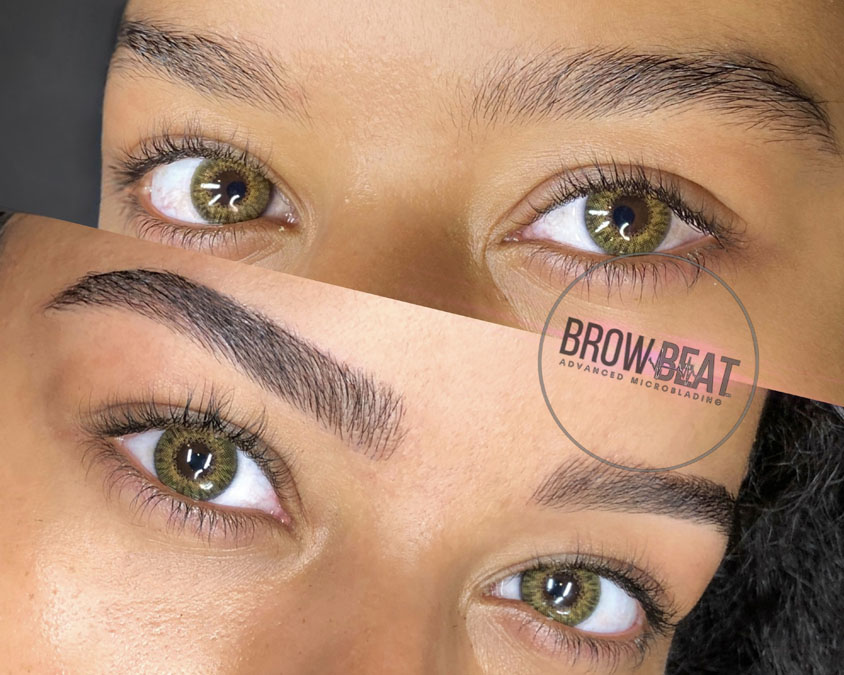
Microblading uses a handheld tool with ultra-fine blades that create hair-like incisions. Pigment is deposited into the upper layers of the skin rather than the deeper dermis layer used in traditional tattooing.
This shallow placement is intentional and critical to how microblading behaves long term.
Because pigment is placed closer to the surface, it is designed to:
- Fade gradually and evenly
- Soften naturally over time
- Allow shape adjustments during maintenance
- Adapt as facial structure changes
This is why microblading is commonly referred to as semi permanent eyebrow tattoo Texas clients choose — not permanent ink meant to remain unchanged for decades.
Facial skin regenerates faster than other parts of the body. Cosmetic pigment is formulated to work with this natural turnover process instead of resisting it.
Is Microblading Permanent in Texas?
Another highly searched question is is microblading permanent in Texas. The answer is no, but a faded shadow may still remain.
Microblading is intentionally designed to fade. Most clients experience results lasting approximately 12 to 18 months depending on:
- Skin type
- Sun exposure habits
- Skincare routines
- Lifestyle activity levels
This gradual fading is considered a benefit rather than a drawback. It allows flexibility and prevents clients from being locked into a single brow shape forever.
Because trends, facial proportions, and personal preferences evolve, semi-permanent cosmetic tattooing gives clients long-term adaptability.
Microblading vs Tattoo in Texas: What Actually Separates Them?
When people search microblading vs tattoo Texas, they want to understand what technically makes these procedures different.
Although both involve pigment implantation, the execution and outcomes are not the same.
Primary Differences Include:
- Pigment Depth: Microblading stays closer to the surface of the skin.
- Pigment Formulation: Cosmetic pigments are engineered to fade gradually.
- Technique: Microblading creates hairstrokes manually instead of saturating large skin areas.
- Longevity: Body tattoos are designed to be permanent. Microblading is not.
Traditional tattoo ink is placed deeper to permanently anchor color. Microblading avoids this depth to preserve softness, fading capability, and natural appearance.
These differences explain why eyebrow microblading behaves very differently than body tattoo ink over time.
You can explore a more detailed comparison here:
Microblading vs Tattooed Eyebrows
Why Texas Regulates Microblading as Tattooing
Texas classifies microblading under tattoo regulations because any procedure that implants pigment into the skin must meet specific health and safety standards.
This classification focuses on:
- Sanitation requirements
- Sterilization protocols
- Bloodborne pathogen prevention
- Proper tool handling
The regulation exists to protect clients — not because microblading behaves like traditional tattooing.
Texas compliance standards ensure that cosmetic tattoo services operate under professional hygiene and safety guidelines while still allowing artists to perform specialized cosmetic techniques.
What Is Cosmetic Brow Tattooing?
Cosmetic brow tattooing includes multiple techniques beyond microblading.
Modern brow services include:
- Micropigmentation brows
- Powder brows vs tattoo methods
- Cosmetic shading brows
These techniques rely on pixel-based pigment placement rather than hairstrokes and are designed to provide longer-lasting structure and smoother fading behavior.
While these methods are also regulated under tattoo standards in Texas, they remain semi-permanent cosmetic services rather than permanent body art.
Many clients now explore multiple brow methods depending on skin type, lifestyle, and long-term goals.
Learning About Modern Brow Services in Dallas
As cosmetic tattooing continues to evolve, Dallas has become a hub for advanced eyebrow techniques.
Clients often explore professional brow services before committing to treatment:
Understanding technique differences helps clients choose between hairstroke microblading, powder shading, or combination brows.
The Science Behind Semi-Permanent Pigment Fading
One of the biggest reasons cosmetic brow tattooing behaves differently from traditional tattoos comes down to pigment chemistry and skin interaction.
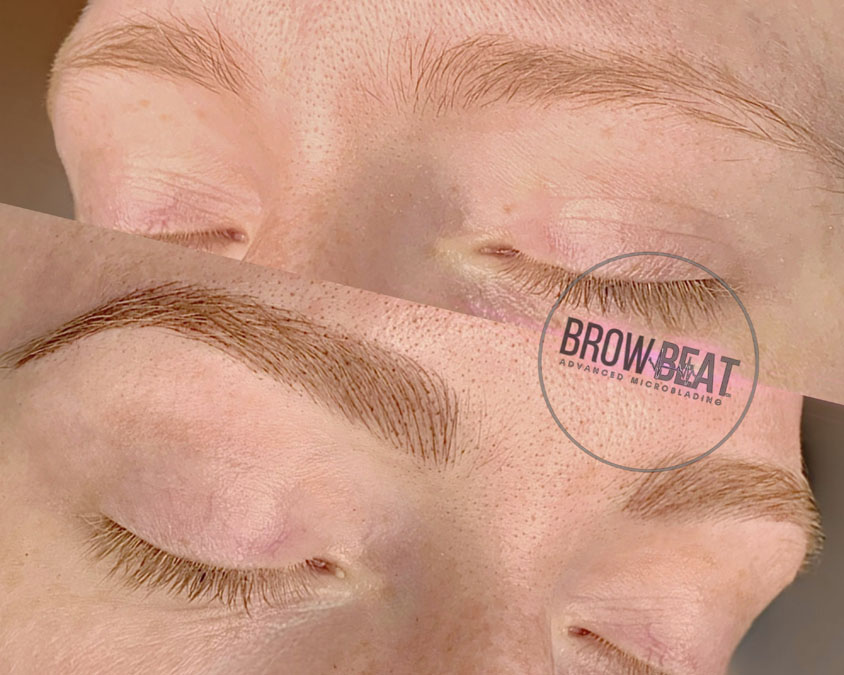
Cosmetic pigments are specifically engineered to fade gradually over time. Unlike body tattoo ink, which is designed to permanently anchor deep within the dermis, cosmetic pigments use particle formulations that allow the skin’s natural renewal cycle to slowly break down color.
As the skin regenerates, pigment particles gradually migrate upward and lighten in appearance. This creates a soft fading effect.
This process allows for:
- Future color adjustments
- Shape refinement appointments
- More natural aging of the brows
- Flexible long-term maintenance
This fading behavior is intentional and is one of the main reasons semi-permanent cosmetic tattooing continues to grow in popularity.
How Skin Type Impacts Microblading Results
Your skin type plays a major role in how microblading and shading techniques perform over time.
Dry and Normal Skin
Clients with dry or balanced skin often experience the crispest hairstroke retention with microblading. The skin holds pigment more predictably and fades evenly.
Oily Skin
Oily skin produces more natural oil, which can cause hairstrokes to blur and soften faster. This is why many Texas clients with oily skin prefer shading or combination brow techniques.
Mature Skin
Mature skin tends to be thinner and more delicate. Shading techniques often perform better than manual hairstrokes by providing smoother pigment distribution and longer-lasting results.
Professional artists evaluate skin behavior before recommending the most suitable brow method.
Why Shading Techniques Often Last Longer
Shading-based techniques such as powder brows and micropigmentation distribute pigment evenly across the brow area rather than placing individual strokes.
This approach provides several advantages:
- More uniform fading patterns
- Stronger long-term shape retention
- Better performance on oily skin
- Smoother color aging
Because shading builds soft layers of pigment density, it often maintains structure longer than hairstroke microblading alone.
For this reason, many modern brow designs blend both microblading and shading for dimensional results.
What Happens During a Microblading Appointment?
Understanding the appointment process helps clients feel more comfortable before booking.
A typical microblading session includes:
- Brow mapping and shape design
- Pigment color matching
- Topical numbing application
- Manual hairstroke implantation
- Final pigment layering
Most brow appointments take 3+ hours from start to finish. This time allows for detailed mapping, careful stroke placement, and comfort management.
Clients typically receive 30 to 40 minutes of topical numbing before pigment application begins to reduce discomfort.
The Healing Timeline After Microblading
Healing is a critical part of the cosmetic tattoo process.
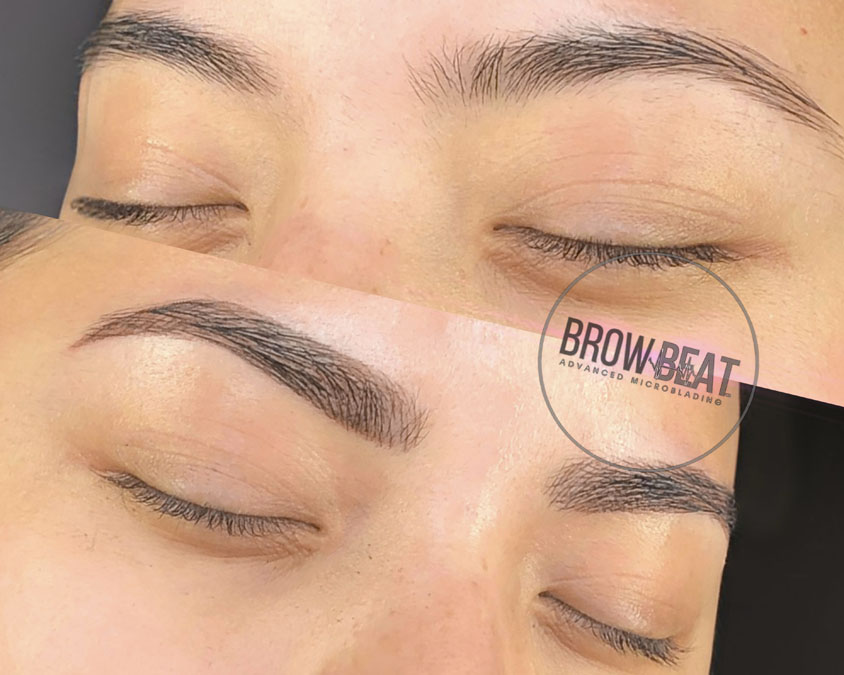
Immediately after treatment, brows often appear darker and more defined than the final healed result. This is temporary and part of normal healing.
Typical Healing Phases Include:
- Initial darkness and mild swelling
- Light flaking or surface peeling
- Color softening
- Final pigment stabilization
Surface healing generally occurs within 7 to 10 days. Deeper pigment stabilization continues over the following weeks.
Following proper aftercare helps maintain pigment quality and long-term appearance.
How Lifestyle Affects Brow Longevity
Daily habits play a major role in how long microblading and shading results last.
Sun Exposure
Ultraviolet exposure accelerates pigment fading. Using sun protection helps preserve brow color.
Skincare Products
Retinol, exfoliating acids, and anti-aging products can break down pigment faster when applied near the brow area.
Exercise and Sweating
Heavy sweating during the healing period can interfere with pigment settling. Over time, high-intensity exercise may slightly shorten retention cycles.
Transitioning Between Brow Techniques Over Time
One benefit of semi-permanent cosmetic tattooing is adaptability.
Many clients begin with microblading and later transition into shading or combo brows as their skin type changes or lifestyle evolves.
This flexibility allows:
- Technique upgrades
- Improved longevity strategies
- Personalized long-term brow planning
Rather than committing to a permanent design, cosmetic tattooing allows brows to evolve naturally over time.
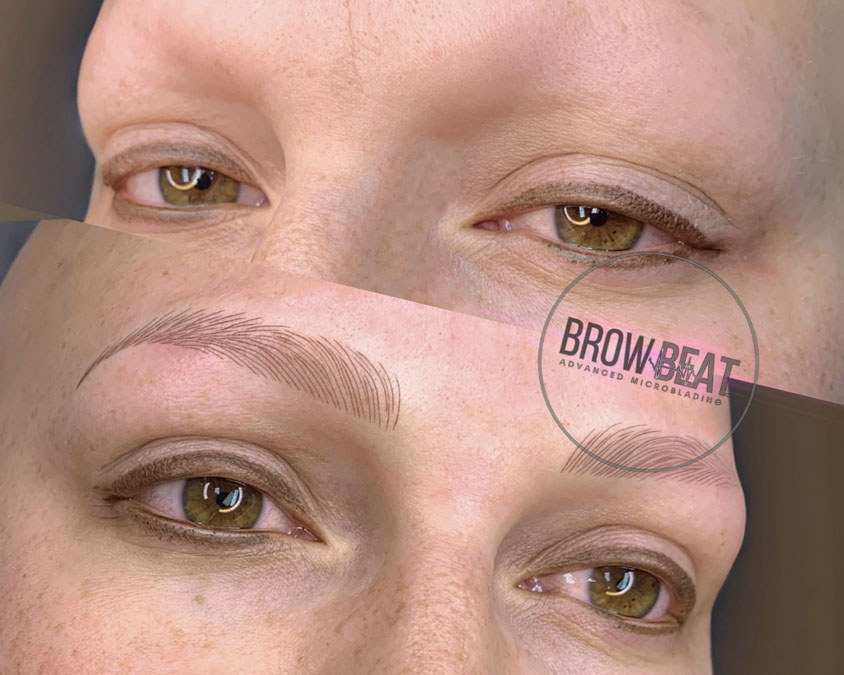
Advanced Brow Techniques Available in Dallas and Texas
As cosmetic tattooing has evolved, modern brow services now go far beyond basic microblading. Many studios in Dallas and across Texas offer advanced techniques that combine multiple methods for more customized results.
These advanced approaches allow artists to tailor brow structure, density, and softness based on each client’s facial features and skin behavior.
You can explore this evolution in detail here:
Dallas Microblading: The Art of 3D Eyebrow Tattooing
Three-dimensional brow techniques often blend hairstrokes with shading to create depth and dimension that looks natural in different lighting environments.
What Are Combo Brows and Hybrid Brows?
Combo brows, sometimes called hybrid brows, combine microblading hairstrokes in the front of the brow with soft shading throughout the body and tail.
This method provides:
- Natural stroke detail in the brow head
- Longer-lasting structure in the arch and tail
- Improved shape retention
- Balanced density
Combo brows are popular among clients who want the realism of hairstrokes but also want stronger long-term performance.
Why Some Clients Move Away From Microblading Alone
While microblading remains a strong option, many clients transition toward shading or combo techniques over time.
This often happens because:
- Hairstrokes soften faster on oily skin
- Shading provides more uniform fading
- Combination brows offer better longevity
- Fuller brows are trending
Rather than replacing microblading, shading is often layered strategically to improve performance while maintaining natural appearance.
Choosing Between Microblading, Powder Brows, and Combo Brows
Choosing the right brow method depends on several personal factors.
Microblading May Be Ideal If You Want:
- Hair-like stroke detail
- Soft, minimal makeup appearance
- Light enhancement
Powder Brows or Shading May Be Better If You Want:
- Longer-lasting brow structure
- Fuller density
- More defined shape
Combo Brows Work Well If You Want:
- Natural fronts with stronger tails
- Balanced texture and density
- Enhanced longevity
The goal is not choosing the “best” technique universally — it is selecting the technique that fits your skin, lifestyle, and aesthetic goals.
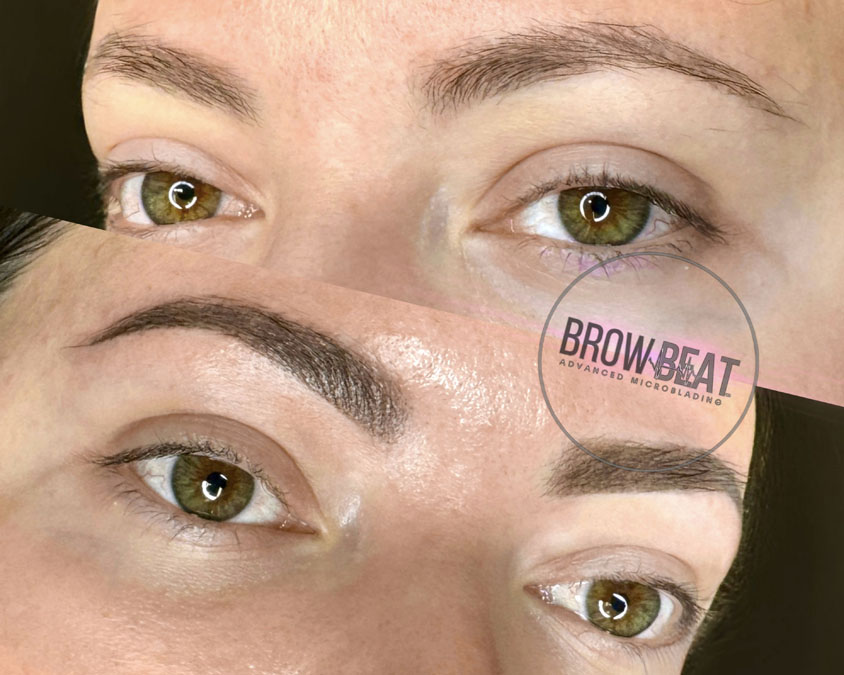
Exploring Semi-Permanent Brow Services in Dallas
Many clients research professional brow services before committing to treatment.
You can explore semi-permanent brow services in Dallas here:
Understanding available service options allows clients to plan long-term brow maintenance rather than viewing cosmetic tattooing as a one-time appointment.
Combining Brows With Other Semi-Permanent Services
Many Texas clients choose to pair brow services with other cosmetic tattoo treatments to streamline daily beauty routines.
Popular service combinations include:
Pairing brows with eyeliner enhances eye framing, while lip blushing adds balanced facial color and symmetry.
These combinations create a cohesive, low-maintenance appearance that many clients prefer.
Why Experience Matters With Cosmetic Tattooing in Texas
Because microblading is regulated under tattoo laws in Texas, experience and training matter significantly.
Professional artists understand:
- Proper pigment depth control
- Skin response patterns
- Safe sanitation practices
- Long-term brow planning strategies
This expertise directly affects healing quality, fading behavior, and overall satisfaction.
Viewing Brows as a Long-Term Beauty Plan
Rather than thinking of microblading as a one-time procedure, many clients benefit from viewing cosmetic tattooing as part of a long-term beauty strategy.
This often includes:
- Initial brow creation
- Periodic color refresh appointments
- Shape refinements
- Technique transitions over time
This approach allows brows to evolve naturally with facial structure and lifestyle changes.
Why Semi-Permanent Brows Continue to Grow in Popularity
The rising demand for cosmetic tattooing reflects modern beauty preferences.
Clients want:
- Low-maintenance routines
- Consistent daily appearance
- Natural-looking enhancement
- Customizable results
Semi-permanent brow tattooing delivers flexibility while maintaining long-term aesthetic adaptability.
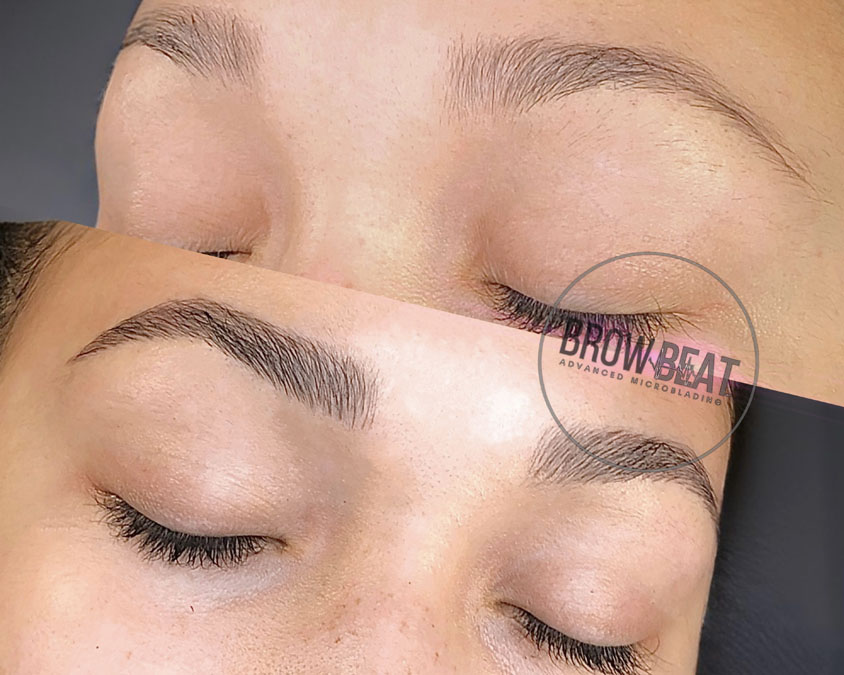
Final Answer: Is Microblading a Tattoo in Texas?
Yes — microblading is classified as a form of tattooing in Texas because pigment is implanted into the skin. However, this does not mean microblading behaves like traditional body tattoos.
Microblading is categorized as semi-permanent cosmetic tattooing. It is designed to fade gradually, soften naturally, and allow shape and color flexibility over time.
This classification exists primarily for safety regulation and sanitation standards — not because microblading produces permanent tattoo-style results.
Whether you choose microblading, powder brows, shading, or combo techniques, the most important factor is selecting the method that aligns with your skin type, lifestyle, and long-term aesthetic goals.
Frequently Asked Questions About Microblading and Tattooing in Texas
1. Is microblading considered a tattoo in Texas?
Yes. Texas classifies microblading under tattoo regulations because pigment is implanted into the skin. However, cosmetic tattooing uses different techniques and pigments than traditional body tattoos.
2. Is eyebrow microblading permanent?
No. Microblading is considered semi-permanent. Pigment gradually fades over time, allowing for maintenance and shape adjustments.
3. How long does microblading last in Texas?
Most clients experience results lasting approximately 12 to 18 months. Longevity varies depending on skin type, sun exposure, skincare habits, and lifestyle.
4. What is the difference between microblading and traditional tattooing?
Microblading places cosmetic pigment closer to the skin surface, while traditional tattoos implant ink deeper into the dermis. This allows microblading to fade naturally over time.
5. Does microblading fade like a tattoo?
Microblading fades differently than body tattoos. Cosmetic pigments are designed to soften gradually instead of remaining permanently saturated.
6. Is microblading safe?
When performed by trained professionals following proper sanitation protocols, microblading is considered a safe cosmetic procedure. Following aftercare instructions is important for healing.
7. Why does Texas regulate microblading as tattooing?
Texas regulations focus on health safety, sanitation, and proper pigment handling. This ensures consistent safety standards for cosmetic tattoo services.
8. Is microblading better than powder brows?
Microblading creates hairstroke detail, while powder brows often provide longer-lasting density. The best option depends on skin type and desired results.
9. Do powder brows last longer than microblading?
In many cases, yes. Shading techniques often fade more evenly and retain shape longer, especially for oily skin types.
10. Can microblading be adjusted over time?
Yes. Because microblading fades gradually, color and shape can be refreshed or modified during maintenance appointments.
11. Is microblading good for oily skin?
Oily skin may cause hairstrokes to soften faster. Many clients with oily skin achieve better long-term results using shading or combo brow techniques.
12. Does sun exposure affect brow tattoo results?
Yes. UV exposure can accelerate pigment fading. Sun protection helps preserve color and shape.
13. Can microblading look natural?
When performed using proper mapping and technique, microblading can produce soft, natural-looking hairstroke results.
14. Is microblading painful?
Most clients describe the sensation as mild discomfort rather than pain. Topical numbing solutions are commonly applied to improve comfort.
15. How soon can normal activities resume?
Most clients resume daily activities immediately, but it is recommended to avoid heavy sweating, swimming, and sun exposure during early healing.
16. Can microblading be combined with other cosmetic tattoo services?
Yes. Many clients combine brows with permanent eyeliner or lip blushing to create balanced facial enhancement.
17. How do I choose between microblading and shading?
If you prefer hairstroke detail, microblading may be ideal. If you want stronger structure and longer-lasting results, shading techniques may be better suited.
18. Does microblading completely disappear?
Microblading is designed to fade gradually. Some residual pigment softness may remain depending on skin type and pigment selection.
19. Will faded microblading affect future brow treatments?
That depends on the artist. Deep implantations can have trouble fading, but faded pigment does not prevent future services. Existing pigment is evaluated and future treatments are adjusted accordingly.
20. Does shading fade differently than microblading?
Yes. Shading often fades more evenly across the brow area, while hairstroke microblading may soften in line definition over time.
21. Can faded brows be refreshed?
Yes. Semi-permanent cosmetic tattooing allows color refresh and shape refinement as preferences or skin needs change.
22. Are semi-permanent brows popular in Texas?
Yes. Demand continues to grow as clients seek low-maintenance beauty solutions that still allow flexibility and customization.
Scheduling Your Brow Appointment in Dallas
If you are ready to explore semi-permanent brow services in Dallas, professional evaluation helps determine the best technique for your individual needs.
Ready to schedule your appointment?
http://browbeatstudio.com
More like this:
- How long does microblading last
- Microblading eyebrows before and after
- Microblading Do’s And Don’ts Before And After Care
- 7 Things You Should Know Before Microblading Your Eyebrows
- Things To Consider Before You Get Microblading
- Dallas Microblading the art of 3D Eyebrow Tattooing
- Microshading vs. Tattooing
- BrowBeat offers Premier Dallas Microblading Services
- What Is Alopecia?