
Last Update: January 2026
Microshading is the brow world’s best-kept “why didn’t I do this sooner?” secret. Not because it’s trendy (it is), and not because it’s flashy (it can be)… but because it’s forgiving.
And by forgiving, I mean: it plays nicer with real skin, real schedules, real healing, and real humans who don’t want to spend their mornings negotiating with a brow pencil.
If microblading is the crisp white sneaker of brows (cute, but a little high-maintenance), microshading is the comfortable luxury sneaker: polished, dependable, and ready for daily life.
This refreshed guide keeps the helpful list-style vibe, adds clarity clients actually understand, and upgrades the angle so it doesn’t overlap your shading post. We’re focusing on one big idea: microshading is the most forgiving semi-permanent brow technique for long-term wear.
Microshading in Plain English
Microshading is a semi-permanent brow technique that uses a soft “pixel” method (tiny, controlled deposits of pigment) to build a makeup-like finish. It can look airy and natural, or more defined and structured—depending on the goal.
It’s also commonly called:
- Pixel brows (same concept, different name)
- Powder effect brows (refers to the soft makeup finish)
- Soft shading (the natural, lighter end of the spectrum)
- Ombré shading (a gradient finish—lighter at the front, deeper toward the tail)
If you want a Dallas-specific overview that explains the technique in a simple, client-friendly way, link clients here: microshading explained.
Why “Forgiving” Matters More Than “Perfect”
Most brow regret doesn’t come from someone “choosing the wrong color.” It usually comes from mismatched expectations:
- Expecting fresh brows to look like healed brows on day one
- Expecting one technique to behave the same on every skin type
- Expecting zero maintenance forever (even though literally nothing in beauty works like that)
Microshading tends to reduce those “wait… is this normal?” moments because it’s designed to heal into a soft, blended finish. It’s less about individual crisp lines and more about an even, controlled impression of fullness.
And if your client is the type who wants a predictable plan (instead of mystery brows), your treatment process page is the perfect support link.
Reasons to Consider Microshading (The Forgiving Factor Edition)
1) It Often Wears Longer Than Microblading
Microblading results can be gorgeous—especially on the right skin type—but hairstrokes can soften faster for many clients. Microshading tends to hold its look longer because the finish is built as a soft blend, not a collection of individual strokes that need to stay razor-crisp.
For clients comparing long-term wear and lifestyle fit, this is a strong supporting read: how long microblading tends to last.
2) It’s More Flexible Across Skin Types
Microshading is often recommended when skin is oilier, pores are more visible, or texture is more noticeable—because it doesn’t rely on super crisp individual lines. The technique is built to look good as it settles, softens, and lives in real skin.
Translation: it’s a “work with your skin” approach, not a “fight your skin” approach.
3) It’s Easier to Keep Looking Balanced Over Time
Brows fade gradually (normal). But microshading often fades more evenly because it’s a blended field of soft pixels rather than a pattern of fine lines that can fade at different rates.
That even fade is one reason microshading is such a confidence-builder long-term: it stays wearable, even when it’s due for a refresh.
4) It’s a Sweet Spot Between “Natural” and “Polished”
Some clients want ultra-natural texture. Others want a makeup-ready brow. Microshading is the rare technique that can live comfortably in the middle—soft enough to look believable, polished enough to look intentional.
If your client is also weighing a more structured long-term choice, this comparison supports that decision-making: microblading vs powder brows for long-term results.
5) Healing Expectations Are Easier to Explain (And Easier to Live With)
Fresh brows are always bolder at first. That’s not a flaw—it’s just how the process looks before the skin settles. Microshading typically transitions into its final softness in a way that feels more predictable to clients.
Healing still matters, and the skin still needs time. Most clients should think in terms of 4–8 weeks for the full “settled” look as the skin cycles through its normal phases.
For clients who like a clear, calm healing roadmap, this is the best supporting link: healing process expectations.
6) It’s Great for Clients Who Want Brows That Photograph Well
Microshading photographs beautifully because it creates smooth, consistent density—especially in indoor lighting, event lighting, and “why is the restaurant lighting so dramatic?” lighting.
And it’s not just about photos. A soft shaded brow tends to read as “finished” from conversational distance, without requiring daily makeup to keep the shape visible.
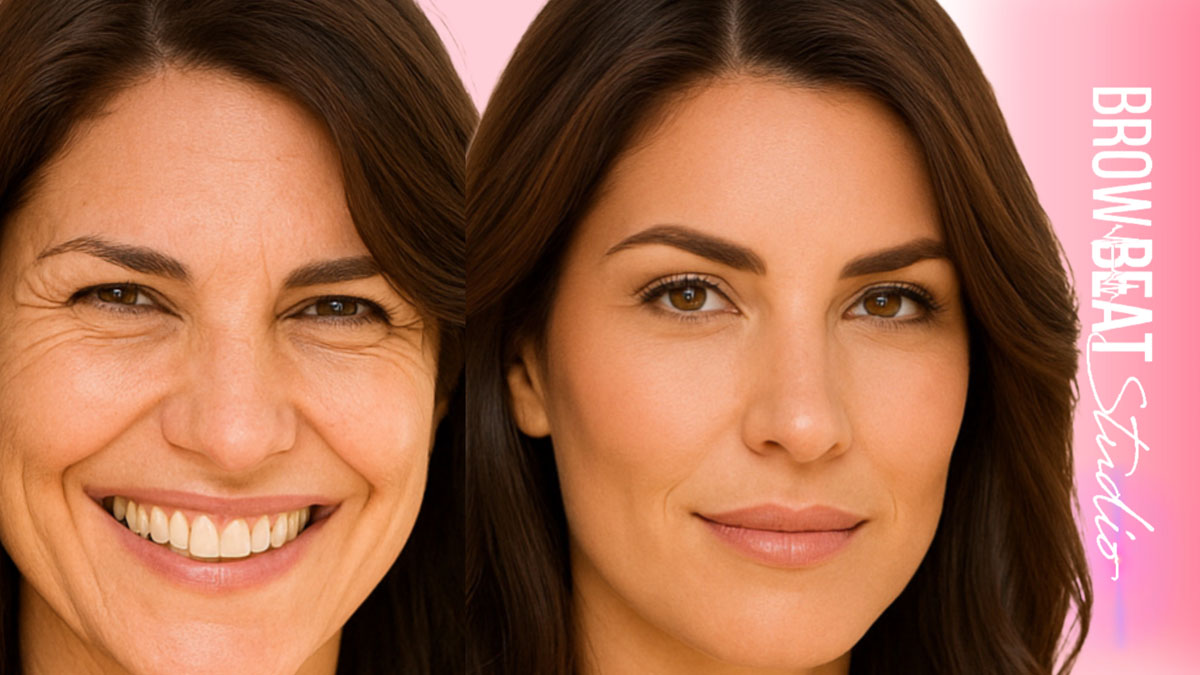
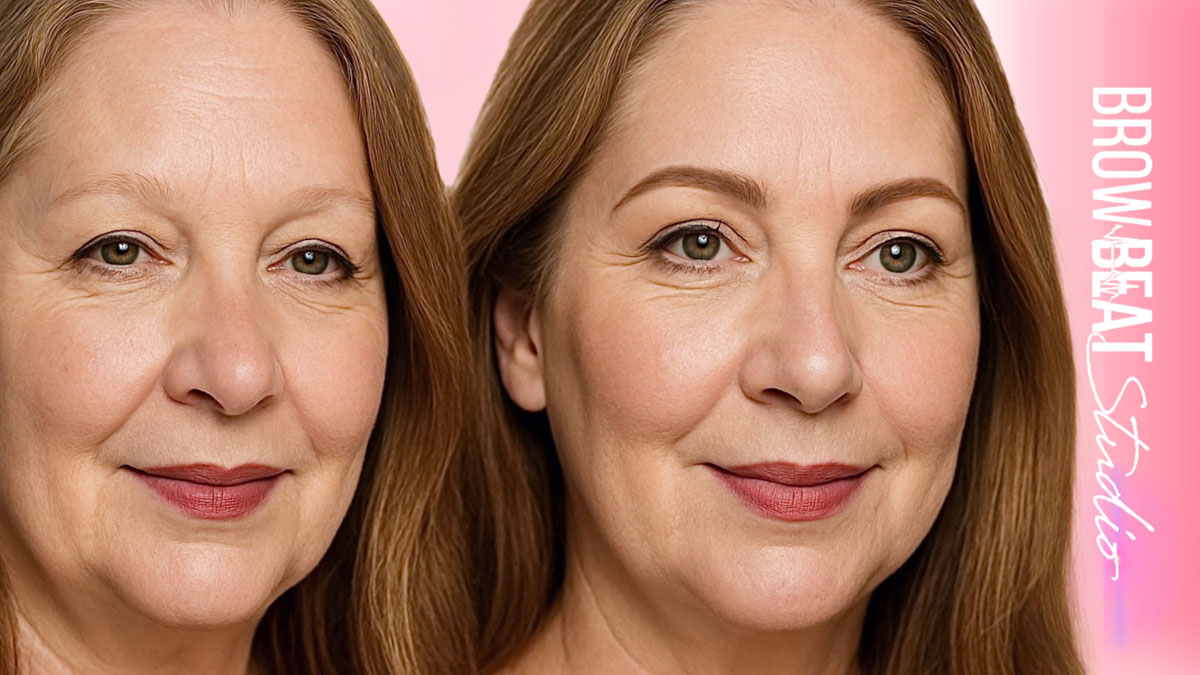
If you want clients to see real outcomes (not just filtered highlight reels), embed your proof here: before-and-after gallery.
7) It Supports a Cleaner “Brow Routine” Lifestyle
Clients who love microshading usually have one thing in common: they’re done doing brow makeup every day.
Microshading is for people who want to:
- Wake up and look put together
- Work out without worrying about smudging
- Travel with fewer products
- Stop re-drawing the same tail 17 times (we’ve all been there)
8) It Can Be Dialed Up or Down Over Time
Microshading can be built to match the client’s vibe—super soft, medium definition, or more glam.
And because it’s a layered finish, future maintenance can be approached with strategy instead of panic. Brows don’t need to be “all or nothing.” They need a plan.
9) It Pairs Beautifully with Other Services (If the Client Wants a Full Refresh)
Some clients love the idea of a full, cohesive semi-permanent look. Brows + lips + liner can create an “always ready” face that still looks natural.
If they ask about pairing services, use this as a clean, non-pushy reference: lip blushing and eyeliner.
10) It’s a Confidence Builder—Because It’s Predictable
The most underrated benefit of microshading is emotional: it reduces uncertainty.
Clients feel better when they understand what’s happening, what healing looks like, and what long-term maintenance typically involves. Microshading fits that mindset because it’s designed to age gracefully and remain wearable as it softens.
Who Microshading Is Often Great For
- Clients who want a makeup-ready brow (even if it’s a soft “no-makeup makeup” look)
- Clients with oilier skin who want a technique that tends to hold its look longer
- Clients who want more shape support without relying on daily pencil or pomade
- Clients who want a brow plan that’s clear, predictable, and easy to maintain
Quick Reality Check: Maintenance Is Part of the Magic
Microshading is like other beauty maintenance timelines. If you love how it looks, you maintain it.
Think about it the same way you think about:
- Hair color
- Lash fills
- Skin treatments
- Yes, even lip filler timelines
Not because something “went wrong,” but because you’re choosing to keep the look you love.
And when your client is ready to get started, keep it simple: schedule your appointment.
What a Microshading Appointment Usually Looks Like (Client-Friendly Overview)
This is the part that makes clients relax—because once they know the steps, the “unknown” disappears.
- Step 1: Goal setting — Soft and natural? More defined? Ombré gradient? The finish is chosen based on the client’s style, not a trend.
- Step 2: Shape planning — The brow outline is designed to create balance and a clean structure that holds up over time.
- Step 3: Color planning — Pigment is selected to blend naturally with hair and skin tone as it heals and softens.
- Step 4: Comfort prep — Comfort measures are used throughout the appointment to keep the client relaxed.
- Step 5: Pixel application — The artist builds density using small, controlled “pixel” deposits for a smooth, blended finish.
- Step 6: Review + aftercare guidance — The client leaves knowing what’s normal, what to avoid, and how to support clean healing.
- Step 7: Second treatment planning — A second treatment may be scheduled when appropriate to refine balance and strengthen the healed result.
If you want the full educational walkthrough in a dedicated resource, your best support page is here: treatment process.
Microshading FAQs (10 Quick Answers Clients Actually Search)
1) Is microshading the same as powder brows?
They’re closely related. Microshading describes the pixel technique; powder brows often describes the finished makeup effect.
2) Will microshading look too bold?
Not if it’s planned correctly. Intensity can be built soft, medium, or more defined depending on the client’s goal.
3) Does microshading hurt?
Most clients describe mild discomfort at most. Comfort measures are used throughout the appointment.
4) How long does microshading last?
Microshading often lasts longer than microblading, and it softens gradually over time like other semi-permanent services.
5) How long does it take to heal?
Initial healing happens first, but the settled look typically develops over 4–8 weeks.
6) Can I work out after microshading?
Clients are typically asked to avoid heavy sweating for a short period to support clean healing.
7) Can I wear makeup on my brows while healing?
It’s best to avoid applying makeup directly on the brow area during the early healing phase.
8) Do I need a second treatment?
A second treatment may be recommended to refine shape balance and strengthen the healed result if needed.
9) Is microshading good for clients who want a natural look?
Yes—when done softly, microshading can look like a gentle powder fill that enhances without overpowering.
10) What should I do if I’m not sure which technique fits me?
The simplest next step is to schedule your appointment so your goals, skin type, and desired finish can be matched to the right technique.
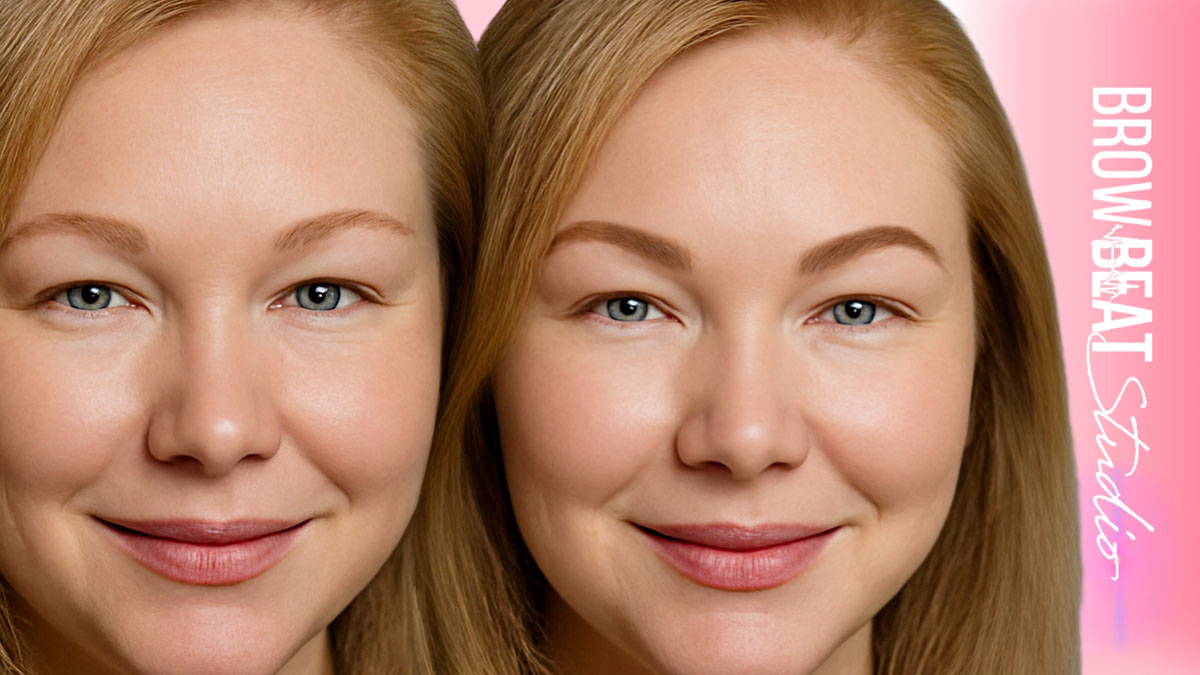
Final Thought: Microshading Is the “Low-Drama” Brow Choice
If you want brows that look polished, heal into a soft finish, and stay wearable as they fade—microshading is worth serious consideration.
For results examples and real client transformations, send people straight to your gallery. And for the easiest next step, keep it simple: schedule your appointment.
Want a quick overview of all services and education in one place? Start at the BrowBeat Studio homepage.