
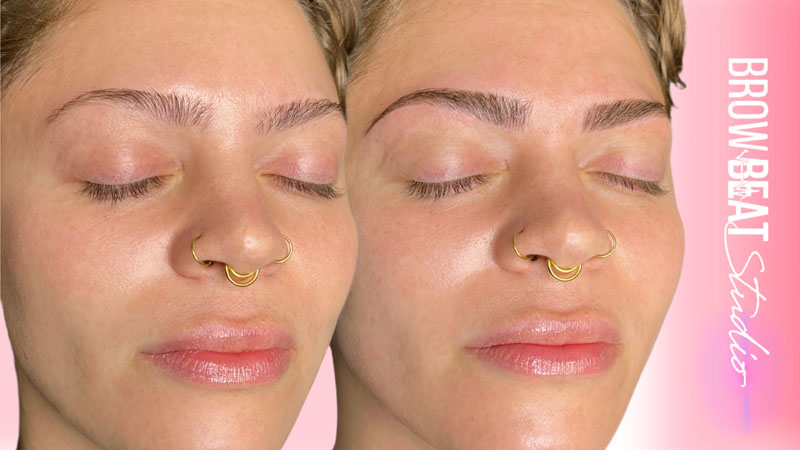
Why Microblading Strokes Stand Alone at First
Microblading is created by implanting pigment into the upper layers of the skin using a fine manual blade. Every hairstroke is separate — pigment + space + pigment + space. That negative space is what makes microblading look realistic, airy, and light. The illusion of hair depends entirely on this spacing.
But microblading strokes are small channels — and channels change as skin repairs. Over time, the surrounding tissue remodels and pigment disperses microscopically, which is why crisp lines are not permanent lines. True permanence would require deeper implantation, which would then behave like a traditional tattoo — bolder, darker, and more solid.
Because microblading lives closer to the surface, its beauty is in its softness — but that softness also means movement.
What Merging Microblading Strokes Actually Are
Merging occurs when the boundaries of each microbladed hairstroke soften and expand during healing. Instead of sharp separation, the strokes broaden slightly and begin to touch or overlap visually. Instead of individual hairs, the healed look may resemble a soft powdered shadow — especially in thicker or oil-active skin.
This is not a mistake. It is a normal healed outcome for many skin types.
Clinically, stroke merging means:
- Pigment has diffused slightly within the epidermis
- Spaces between strokes have softened or narrowed
- Individual lines appear less strand-like and more shaded
- Brow body looks fuller but less defined than day one
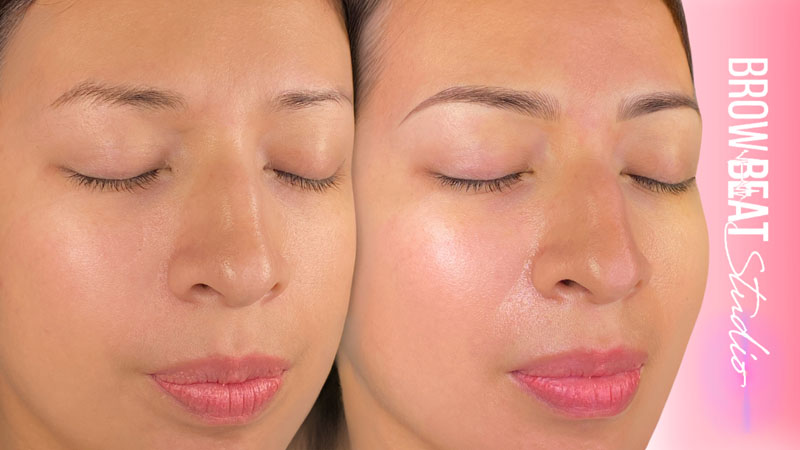
To someone who loves subtle softness, merging may even be preferred. To someone who expected crisp lines for years, it may feel unexpected. The key is knowing that skin type is the deciding factor, not the artist’s ability or technique alone.
The Skin Types Most Likely to Experience Merging
Strokes merge fastest when the skin has more internal movement — meaning oil flow, melanin, or thick tissue architecture. Any of the following traits increase the likelihood:
- Oily or combination skin
- Thicker or more resilient epidermis
- High melanin concentration
- Enlarged or visible pores
Clients with these features may love microblading early but find that realism softens by the 6–12-month mark. On the other hand, clients with dry, delicate, or fine-textured skin often maintain stroke separation significantly longer.
Skin doesn’t make or break brows — it simply determines how they evolve.
Why Thick & Oily Skin Encourages Stroke Blur
Oil is movement.
Movement is diffusion.
Diffusion is merging.
When the skin produces more oil, that oil gradually travels upward through the channels of healed microblading. As it moves, it pushes and disperses pigment particles, causing the edges of strokes to soften and widen. The thicker the dermis, the more resistance pigment meets — making ultra-fine lines more likely to lose crispness as they settle.
Think of it like watercolor spreading gently across textured paper. The more texture, the more flow, the softer the edges. Microblading behaves the same way.
This is why powder brows often last longer and age more predictably in these skin types — because they are designed to blend, not to stay separated. See more brow options and examples at www.browbeatstudio.com.
How Merged Microblading Strokes Look Over Time
Many clients fall in love with microblading because of its delicate realism — but healed brows don’t always mirror day-one brows. Around the 6–12 month mark, especially in oily or melanin-rich skin, the once-defined strokes may soften into each other. Instead of individual threads, the brow begins to look more like a powdery wash of color.
For some, this look is desirable. It removes sharpness, reduces contrast, and gives a gentle makeup finish without effort. But for those who expected crisp strokes year-round, merging can feel confusing. Not because anything went wrong — but because the brow evolved exactly as biology predicted.
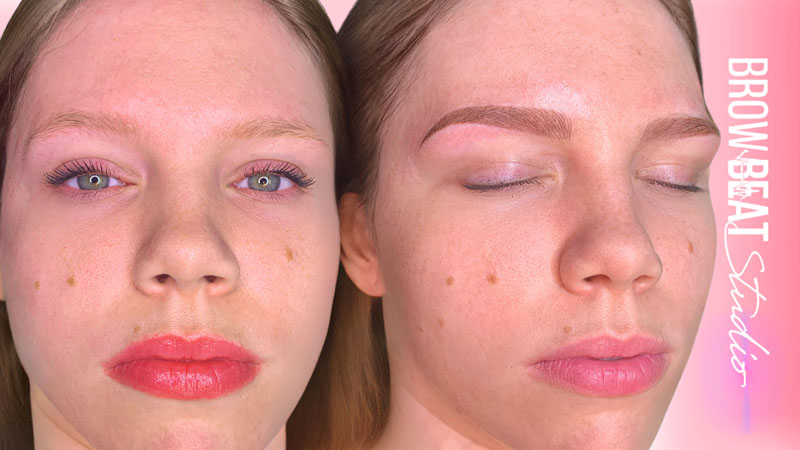
This is why managing expectations is everything. Microblading is a realism technique, but realism is only temporary if the skin type doesn’t support long-term separation.
Merging Does Not Equal Mistake — It Equals Healing
One of the most misunderstood facts in semi-permanent makeup is that fading is normal — and merging is a type of fading. Pigment naturally moves, lifts, and settles. The skin renews itself in layers, constantly shedding and rebuilding. This process gradually softens lines and blends edges. Strokes always look crisp when fresh. The question is not how they look today — but how they will look later.
Why Powder Brows Resist Merging
If microblading is art in lines, powder brows are art in pixels. Each pixel is a tiny dot of pigment dispersed evenly to create a smooth shaded gradient — with no negative space required. Because powder brows contain no gaps, there’s nothing to collapse. No space between strokes. No pattern to break down.
As the skin renews, powder brows simply fade lighter — not blur messy. The structure remains because the brow is built as a field, not a series of delicate channels.
This is why powder and ombré brows often outperform microblading long-term for:
- oily or combination skin
- high-melanin clients
- thicker skin or larger pores
- those who want more longevity than realism
Shading ages gracefully.
Microblading evolves delicately.
Both are beautiful — but they are not the same story.
When Microblading Still Makes Sense
There are skin types where microblading remains the choice — especially for clients who value airy realism above all else. Dry, fine-textured skin often holds strokes longest. These clients may maintain separation well beyond the 12-month mark.

But even in ideal conditions, microblading still fades line-by-line. Unlike shading, which fades as one unit, microblading can thin unevenly as certain strokes lighten faster than others. A brow that was once perfectly symmetrical may eventually appear patchy, especially near high-movement areas.
This is where hybrid work becomes powerful — shading for stability, strokes for texture.
Hybrid Brows
A hybrid brow combines microblading and shading to balance realism with longevity. Strokes sit at the front for softness, while powder fills the arch and tail for stamina. This method minimizes the visual impact of merging while preserving the hair-stroke aesthetic clients love.
If someone craves natural texture but wants staying power, hybrid can be an elegant middle ground.
- Soft front strokes = realism
- Shaded arch + tail = longevity
- Even fading = no patchwork effect
Is Merging Preventable?
Only to a degree.
Technique helps. Aftercare helps.
But skin biology decides the final outcome.
Merging is most likely to occur when:
- the skin produces oil quickly
- melanin density is high
- dermal tissue is thick
- strokes were placed closely for density
Artists can space strokes wider to delay merging, but wider spacing also changes visual fullness. A brow with more gaps looks less filled. This is why powder brows — where density is intentional — often perform better for clients who want both definition and staying power.
Merging is not a flaw. It is a natural healed outcome — and one that can be planned for. See more brow results in our gallery at www.browbeatstudio.com/gallery/.
Choosing the Right Technique for Your Skin
Microblading is right for clients who prioritize hair-like texture and lightness. Powder brows are better for clients who want fullness, structure, and longevity. The decision shouldn’t be based on trend — but on the behavior of your skin.
Once you know how your skin heals, you can choose brows based on the future, not the first appointment.
Crisp strokes are an experience.
Shading is an investment.
How Merging Impacts the Look and Feel of Healed Brows
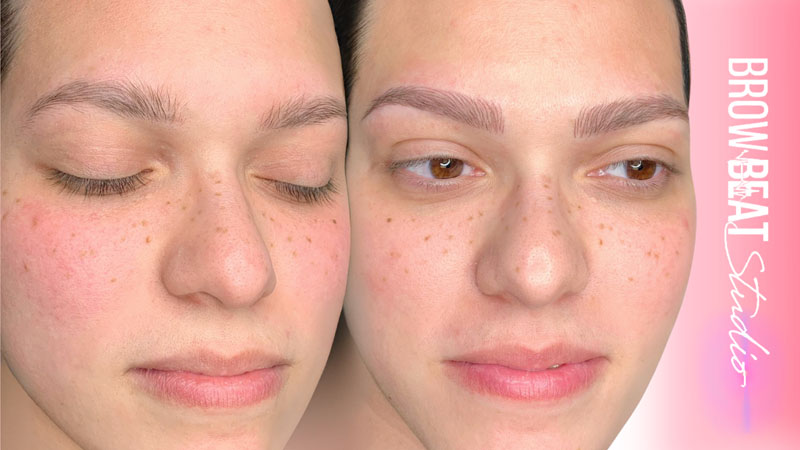
When clients hear the word “merge,” they often imagine something drastic — but in reality, merging is subtle. It’s more like eyeliner smudged softly at the end of a long day rather than ink spilling across the page. Strokes that once stood like individual hairs simply melt into one another, forming a unified tint.
Sometimes this looks like gentle hazing. Sometimes a powdery backdrop forms where once there were micro-lines. To someone who loves softness, this can be beautiful. To someone who wanted crisp detail long-term, it can feel like a surprise.
What matters is recognizing that neither outcome is wrong — just different from day one.
Why Merging Isn’t a Bad Thing
The most important shift clients can make is simple: merged brows are not failed brows. They are healed brows or brows 8 – 12 months after the initial treatment. The strokes didn’t disappear — they settled. The brow didn’t fade wrong — it evolved according to skin function.
When skin is active, moisturized, rich with oil flow, or thick with melanin, it behaves differently under pigment. It doesn’t hold micro-lines like paper. It treats them like watercolor — spreading edges, rounding corners, softening density.
Instead of expecting microblading to stay sharp, it’s healthier to expect it to mature.
Why Powder Brows Age More Predictably
Powder brows don’t depend on fine lines or negative space. They don’t measure success by crispness but by evenness. Instead of strokes that must remain distinct, shading is a gradient — a soft pixel pattern. As the skin renews, pigment fades lighter rather than wider. The brow remains intact even as color softens.
This is why powder brows are often recommended for:
- melanin-rich complexions
- oily or combination skin
- large pores or thicker texture
- clients who want longevity over realism
Where microblading changes shape, shading holds shape.
Where strokes blur, powder stays cohesive.
Where one fades unevenly, the other fades gracefully.
When to Choose Shading Instead of Strokes
Clients who want brows that remain visible throughout the year may find powder the better choice. If someone doesn’t want to see individual hair-like marks six months later — but instead wants brows that stay formed — shading delivers comfort, convenience, and confidence.
However, if someone deeply prioritizes hair-stroke realism, microblading can still be right; it simply comes with the understanding that refinement over time may be needed sooner.
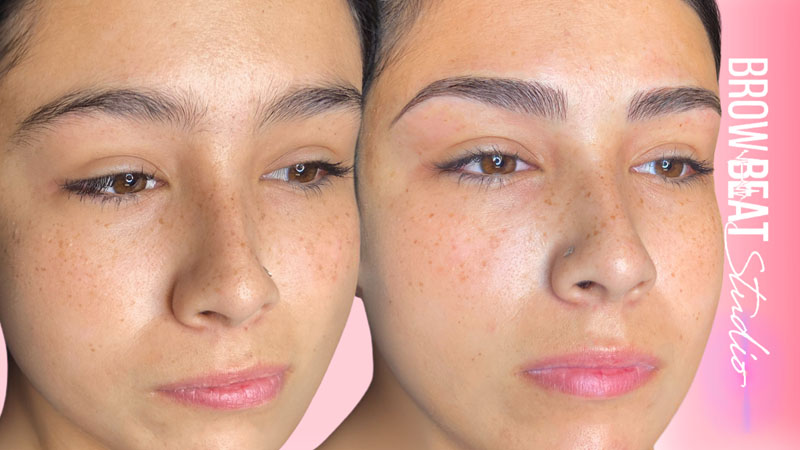
Questions That Help Clients Decide Correctly
- Do you want hair-strokes or do you want longevity?
- Do you like soft makeup or hyper-real detail?
- Does your skin produce oil quickly?
- Do you want your brows to still look prominent at month 12?
If someone answers yes to realism, microblading is a match.
If someone answers yes to longevity, powder is stronger.
If someone wants both, hybrid is the bridge.
The Emotional Truth: Clients Want Brows They Can Trust
Clients don’t just want brows that look good when they leave the studio — they want brows that still look good long after. They want morning confidence. They want vacation-proof beauty. They want to forget about pencils and tint gels.
Merged strokes can still give that, but shading gives it more consistently. Powder brows stay readable. Arches stay framed. The brow remains “present,” even when pigment lightens month-by-month.
A merged brow is not a disappointment — it’s simply a soft brow.
But when someone wants staying power, powder is often the wiser investment.
Why Knowing This Matters Before You Choose a Style
Most clients are unaware that healed results differ between techniques. They see Instagram “after” photos — fresh, crisp, perfect. But microblading doesn’t heal like that for everyone. Oily skin and melanin-rich skin heal differently, and that should steer the choice from the beginning.
Healed results matter more than fresh ones. The real question isn’t:
“How will my brows look today?”
The real question is:
“How will they look six months from now?”
When clients understand merging, they can choose not just a style — but a future result.
Final Breakdown — Should You Expect Microblading Strokes to Merge?
If your skin is oily, thicker, or high-melanin — yes, you should expect more merging over time. If your skin is dry, delicate, fine-textured — you may maintain separation longer. But all brow strokes will eventually merge over time. When microblading is chosen appropriately, merging is gentle, flattering, and soft. When shading is chosen intentionally, retention is stronger, structure lasts longer, and results age consistently.
Microblading delivers delicate detail.
Powder brows deliver longevity.
Both are beautiful when matched well.
Larn about the BrowBeat Studio treatment process at www.browbeatstudio.com/treatment-process/.
When Powder Brows Become the Better Investment
If crisp hair-strokes are essential to you, microblading serves that desire — especially early on. But if your goal is brows that stay visually present at month nine, twelve, eighteen, or beyond, shading offers more reliable endurance. Powder brows age like a gradient — they soften, not scatter. Their shape remains. Their density holds. Their presence survives.
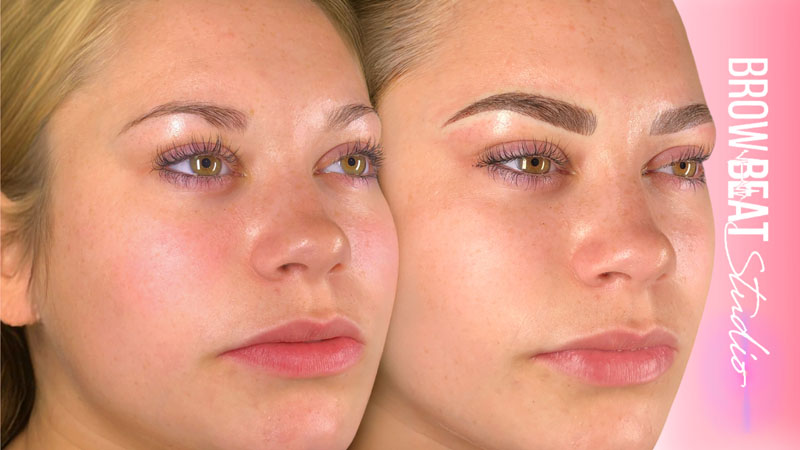
Clients with melanin-rich or oil-active skin often find themselves saying:
“I liked microblading, but shading lasted longer for me.”
This is not a comparison of quality — but compatibility. Some canvases support strokes. Others support color fields. The most successful results come from choosing the right technique for the right skin — not the most popular one on social media.
Why You Should Never Judge Brows by Day One
The most common misunderstanding in semi-permanent makeup is comparing fresh results to healed results. A brow fresh from the studio is not the final product.
So don’t judge brows by hour one.
Judge them by month six.
Your Brow Decision Should Be Based on Longevity, Not Trend
Microblading is beautiful. Powder brows are beautiful. Hybrid is beautiful. What matters is healed behavior, not buzzwords. You deserve brows that still feel like brows when morning coffee becomes afternoon errands and the calendar turns twice.
Ask yourself:
- Do I want crisp detail or lasting depth?
- Do I want hair-like realism or soft makeup durability?
- Do I have skin that holds lines or skin that blends color?
The right choice is the one that matches your biology.
Ready to Choose a Brow Technique That Will Age Beautifully on Your Skin?
At BrowBeat Studio Dallas Advanced Microblading Experts, we create brows for the long run — not the short moment. Whether microblading strokes, powder shading, or a hybrid blend is right for you, our work is always engineered to match how your skin heals, how your color will age, and how you want to feel month after month.
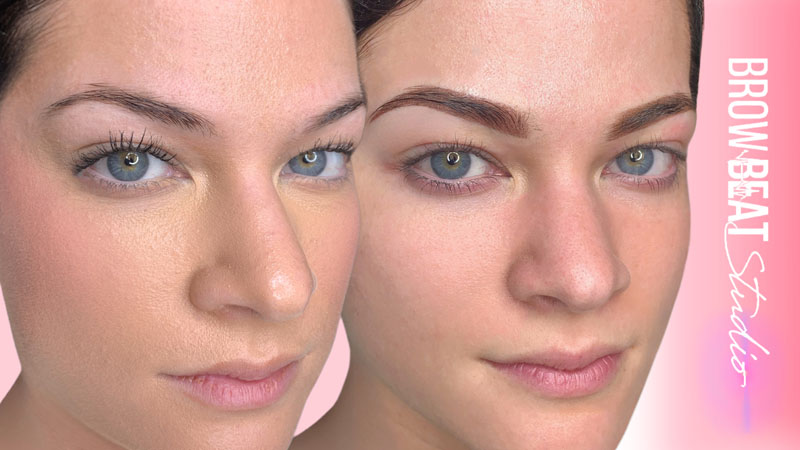
If you want brows that won’t just look good today but will still feel confidence-strong twelve months from now, the right technique can change your entire experience.
Book your brow design with an artist who understands how healed outcomes behave — not just how fresh work photographs.
Schedule your appointment at BrowBeat Studio Dallas Advanced Microblading Experts →