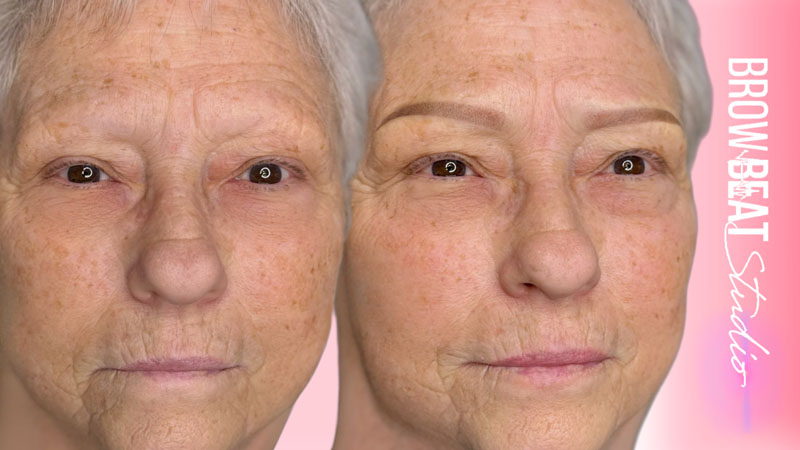
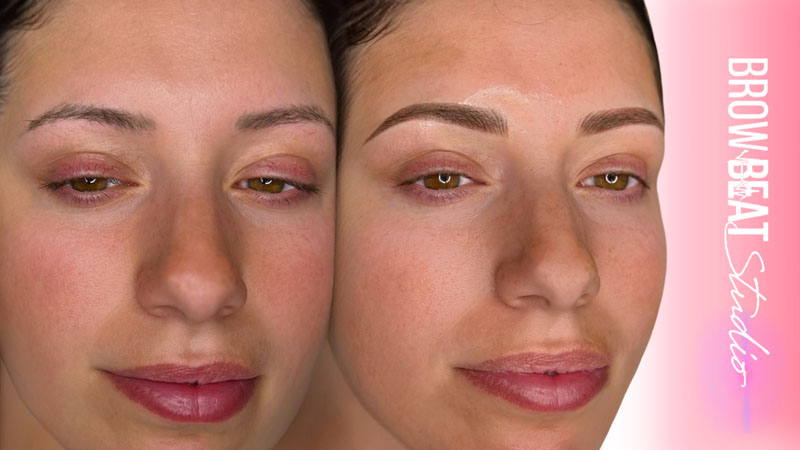
Once permanent makeup has healed, a different timeline begins. The immediate healing changes are over. The brows, lips or upper eyeliner have reached a more settled appearance.
From this point, the question is no longer how long permanent makeup takes to heal. It becomes: How long will the healed permanent makeup remain visible, and how will it change over time?
Permanent makeup is designed to provide lasting cosmetic color or definition, but lasting does not mean visually unchanged. Permanent brows can gradually soften. Lip color can become less visible.
Upper permanent eyeliner can change over the longer term. Different permanent makeup techniques can also behave differently as the years pass. There is no single lifespan that accurately predicts every cosmetic tattoo on every client.
Technique, treatment area, skin characteristics, pigment, color, sun exposure, skincare, lifestyle and individual retention can all influence how permanent makeup ages. This guide explains that longer-term story.
Healing and longevity are related, but they answer different questions. Healing asks: how does fresh permanent makeup progress toward its settled result? Longevity asks: once that result is healed, how does it change over the longer term?
Keeping those two timelines separate prevents normal healing changes from being confused with long-term fading. A lip blush that looks lighter during early healing is not demonstrating years of pigment fading. A permanent brow that changes during surface healing has not suddenly reached the end of its lifespan.
Learn more about what come next in our Permanent Makeup Healing & Aftercare guide. This page begins after that stage.
The word permanent can make clients imagine that cosmetic tattooing should look exactly the same indefinitely. That is not how permanent makeup behaves visually. Pigment is placed into the skin rather than sitting temporarily on the surface like conventional cosmetics.
But the visible result can gradually soften and change over time. This is why clients encounter both permanent makeup and semi-permanent makeup terminology while researching cosmetic tattooing. The terminology describes a treatment designed to remain beyond ordinary makeup wear, while the appearance itself is still capable of fading.
A healed permanent eyebrow can look beautiful and established while still changing gradually over the longer term. The same applies to permanent lip color and upper eyeliner. The result does not need to disappear suddenly for fading to be occurring.
More commonly, the client notices a gradual reduction in definition, density or visible color. The permanent makeup she sees later may simply look softer than the result she saw when it was newly healed.
Yes. Permanent makeup fades over time. That fading is one of the central parts of permanent makeup longevity. Cosmetic tattoo pigment exists within living skin.
The treatment area continues to experience normal skin processes, environmental exposure and the effects of the client’s individual characteristics and routine. The visible result therefore changes rather than remaining fixed at one intensity indefinitely.

A permanent hairstroke does more than add pigment to the eyebrow. It is intended to continue reading as hair-like detail. As individual strokes soften over time, the client may notice the change even while permanent pigment remains visible within the brow.
Combination brows contain both permanent hairstrokes and machine shading. Over time, the client may notice individual hair-like detail softening while shaded density also becomes lighter. The two effects can change differently, but they still belong to one complete permanent eyebrow.


A permanent eyebrow surrounded by substantial natural hair and one created where very little hair remains can age at similar pigment rates while looking very different to the client. The amount of natural brow present changes how much the permanent makeup contributes to the overall feature.
A client with substantial natural eyebrow hair may continue to have visible texture and density even as permanent makeup gradually fades. The natural hair becomes part of how the long-term result is perceived, which can make the cosmetic tattoo’s softening feel less dramatic.

Clients do not normally wake up one morning to discover that a previously visible permanent brow has suddenly vanished. Long-term change is generally more progressive. Hairstrokes may become softer.
Shaded brows may lose some visible density. Lip color may become more subtle. Upper eyeliner may gradually appear less strong.
Because the change happens over time, clients sometimes notice it most clearly when comparing photographs from different years.
The honest answer is that permanent makeup does not have one universal expiration date. Two clients can receive the same broad service and experience different long-term visibility. One client may retain a stronger cosmetic effect for longer.
Another may notice softening earlier. Even different areas on the same person can behave differently. This is why BrowBeat Studio Dallas avoids presenting permanent makeup longevity as though one exact number applies to every client.
Published longevity ranges can be useful for understanding that cosmetic tattooing is designed to last substantially longer than conventional makeup. But a range is still not a personal guarantee. The client’s skin, technique, treatment area, color, lifestyle and long-term care can all affect what remains visible and when the permanent makeup begins feeling noticeably softer.
Permanent makeup retention is influenced by multiple factors working together. Some belong to the treatment itself. Others belong to the person wearing it.
Important longevity factors can include:
No single factor predicts the complete lifespan by itself. Permanent makeup longevity is the result of several variables interacting over time.
Permanent makeup is not one uniform treatment. A brow composed of individual hairstrokes is visually different from a brow built with machine shading. Lip blushing places cosmetic color within natural lip tissue.
Permanent eyeliner creates lasting definition around the upper lashes. Those different treatments should not be expected to age in exactly the same way simply because they all belong to permanent makeup.

Microblading and nano brows are built around individual hair-like detail. Powder, ombré and microshading create broader areas of permanent density. Combination brows contain both effects.
Because the visual structures differ, long-term softening can also be experienced differently. A client watching individual hairstrokes soften is not necessarily seeing the same type of visual change as a client watching shaded density gradually become lighter.
Retention describes how the permanent makeup remains visible over time. Clients sometimes want retention to function like a score: more retention must mean better permanent makeup.
But long-term results need more context than that. Permanent makeup is designed for the face. The goal is not simply to implant the greatest possible amount of visible pigment and make it stay as strong as possible.
The cosmetic result also needs to make sense for the client, treatment area and technique.
A permanent makeup procedure should not be approached as though longevity improves simply by making the result darker, denser or deeper. The treatment still needs to create the intended cosmetic effect. A hairstroke needs to read like a hairstroke.
A shaded brow needs appropriate density. Lip color needs to belong to the lips. Upper eyeliner needs to work around the eye.
Longevity is one consideration within permanent makeup—not a reason to abandon the visual purpose of the treatment.
Permanent makeup exists within skin, so individual skin characteristics can influence how the result behaves over time. Clients frequently ask whether permanent makeup lasts differently on oily, dry or mature skin. Those are reasonable questions.
But skin type should not be reduced to an exact formula such as: “Oily skin equals this many months.” Real permanent makeup retention is more complex.
Oily skin is particularly relevant in permanent eyebrow conversations because clients often research how hairstrokes and shading behave over time. Skin characteristics can influence how crisp or visible permanent brow detail remains. That does not mean every client with oily skin will experience the same lifespan or that one skin characteristic determines the entire result.
The technique and other longevity factors still matter.
Dry skin should not simply be treated as the opposite side of a universal oily-skin formula. Individual skin still varies considerably. The permanent makeup technique, treatment area, pigment, sun exposure and skincare routine continue to contribute to the longer-term result.
Permanent makeup longevity on mature skin cannot be predicted solely from the client’s age. Skin characteristics, natural features and the technique being used all remain relevant. When age itself becomes the central decision question—such as which permanent brow approach may suit an older client—that deeper discussion belongs within BrowBeat’s Mature Permanent Makeup silo.
A healed result provides the starting point for long-term evaluation. From there, photographs can show how the cosmetic tattoo changes over months and years. The most useful longevity story is not:
fresh treatment versus one random later photograph. It is: healed result → gradual change → later appearance.
That sequence separates normal healing from genuine long-term fading and gives clients a clearer understanding of what permanent makeup longevity actually means.

Microblading creates individual manual permanent strokes, so long-term change is often noticed through their visibility and definition. The microblading result can remain present while the hair-like detail gradually becomes softer. The deeper service-specific lifespan belongs within BrowBeat’s Microblading Longevity guide.
Permanent hairstrokes and machine shading create different visual structures, so their long-term changes do not need to look identical. Microblading and nano rely on individual hair-like detail, while powder, ombré and microshading create broader density. Both can fade, but the client may experience that fading differently.


Permanent makeup is worn within skin, so individual skin characteristics can influence how the cosmetic tattoo behaves over time. That does not mean one skin label determines an exact lifespan. BrowBeat considers skin alongside technique, treatment area, pigment, lifestyle and other factors when discussing long-term results.
Technique matters, but a permanent eyebrow is also being worn within individual skin and a real lifestyle. Sun exposure, skincare, natural brow hair, pigment and retention all contribute. BrowBeat Studio Dallas therefore considers the technique within the larger longevity picture rather than treating its name as a complete prediction.

Once permanent makeup has healed, sun exposure becomes part of the long-term longevity conversation. This is different from protecting recently treated skin during healing. At this stage, the concern is what repeated ultraviolet exposure can mean for cosmetic tattoo pigment over time.
Permanent makeup exists within skin that continues to experience the environment. Years of sun exposure can therefore contribute to the gradual softening and fading of visible permanent makeup.
The same subject belongs to two different permanent makeup stages. During healing, BrowBeat’s aftercare instructions guide how newly treated skin should be handled around sun exposure. After healing, UV becomes a longevity factor.
The treatment is no longer fresh, but repeated exposure can still influence how permanent cosmetic pigment ages.
Once the treatment area is appropriately healed, protecting the skin from repeated UV exposure can also support the longer-term appearance of permanent makeup. This does not mean sunscreen can guarantee that cosmetic tattoo pigment will never fade. Fading is influenced by multiple factors.
Sun protection simply addresses one of them.
A client’s skincare routine does not stop mattering when permanent makeup has healed. Modern skincare can be active. Clients may use exfoliating products, retinoids, acids or other ingredients intended to influence the skin’s surface and renewal.
Professional facial treatments may also become part of a regular routine. Those habits can become relevant when considering how permanent makeup changes over time.
Occasional basic skincare and an intensive exfoliating routine are not necessarily equivalent long-term environments for permanent makeup. How frequently products are used, where they are applied and the type of permanent makeup involved can all matter. Rather than assuming one skincare product creates one exact lifespan, it is more accurate to recognize skincare as one part of the client’s broader retention picture.
Clients who regularly use active skincare around the forehead and eyebrow area may have a different long-term environment around their permanent brows from someone whose routine is very simple. That does not allow BrowBeat to calculate an exact number of months from a skincare product. It does mean long-term skincare habits are worth considering when discussing permanent makeup fading and retention.
Facials and professional skin treatments vary enormously. Some are gentle. Others are designed specifically to create more significant changes within the skin.
A client who regularly receives professional skin treatments around permanent makeup should keep the cosmetic tattoo area in mind when discussing those services with the appropriate provider. Again, longevity is cumulative. One variable rarely explains the entire permanent makeup lifespan.
Permanent makeup is worn through ordinary life. Clients exercise. Swim.
Travel. Spend time outside. Use skincare.
Receive facial treatments. Some lifestyles naturally involve more repeated sun, water, heat or skin-focused routines than others. Those patterns can contribute to why two people with similar permanent makeup procedures do not necessarily experience identical long-term results.
During immediate aftercare, sweating and heat are temporary considerations around recently treated permanent makeup. Once healed, exercise returns to ordinary life. It should not be presented as though going to the gym automatically destroys permanent makeup.
Instead, lifestyle is considered as part of the much larger collection of factors that can influence how cosmetic tattooing ages over time.
During healing, swimming belongs to the aftercare restrictions associated with the procedure. After healing, a client’s regular exposure to water, sun and outdoor environments becomes part of her overall lifestyle rather than an immediate post-procedure concern. The time period changes the meaning of the question.
Permanent makeup color is not only important on appointment day. It also contributes to what the client sees as the cosmetic tattoo gradually softens over time. Different colors and treatment areas can lose visible intensity differently.
A very soft permanent effect may become less noticeable sooner to the client simply because it began with less visual contrast. A stronger result may remain visually apparent for longer even while it is also fading. That does not make one automatically better.
They began with different cosmetic goals.

One of the most common long-term changes is a gradual reduction in visible intensity. The brow may look softer. Lip color may become more subtle.
Upper eyeliner may lose some of its original visual strength. This is different from the temporary light stage that can occur during healing. Here, the permanent makeup has already healed and is gradually changing across a much longer period.
Fading is not always experienced simply as the exact original color becoming uniformly more transparent. Clients can perceive changes in color as the cosmetic tattoo ages. The original pigment choice, treatment area, skin, environmental exposure and other factors all contribute to the long-term visual story.
This is another reason BrowBeat does not treat permanent makeup as though the treatment-day color is frozen indefinitely beneath the skin.
A permanent makeup result becoming softer over time belongs to longevity. Once the question becomes whether older previous work needs to be altered, repaired or corrected, the intent has changed. That situation belongs within BrowBeat’s separate permanent makeup and tattoo correction ecosystem rather than this general longevity page.
Permanent makeup is performed on different types of facial tissue for different cosmetic purposes. Eyebrows contain hair and can be treated with hairstrokes, shading or a combination. Lip blushing places permanent cosmetic color within natural lip tissue.
Permanent eyeliner creates definition around the upper lashes. Because these treatments are not identical, their long-term behavior should not be reduced to one permanent makeup lifespan.
Permanent eyebrows can remain visible over an extended period, but the exact longevity depends partly on the brow technique and individual client. A microbladed brow is built from manual hairstrokes. Nano brows contain machine-created hairstrokes.
Powder, ombré and microshading create broader shaded density. Combination brows contain both. Those differences matter when discussing how permanent eyebrows soften and remain visible over time.
A client searching “how long do permanent eyebrows last?” may not yet know which brow technique she is considering. This page can answer the umbrella question. But the deeper lifespan of each technique belongs within its individual service silo:
Microblading longevity. Nano brow longevity. Powder, ombré and microshading longevity.
Combo and hybrid brow longevity. That keeps the broad permanent-eyebrow question here without turning this page into four complete brow longevity guides.
Lip blushing creates permanent cosmetic color within natural lip tissue, and that color can gradually soften over time. The lips have a different natural starting point and treatment environment from permanent eyebrows. For that reason, permanent lip color should be considered within its own longevity context rather than assuming an eyebrow lifespan applies equally to lips.
BrowBeat’s dedicated Lip Blushing Longevity information owns the deeper service-specific discussion.
Permanent eyeliner creates cosmetic definition around the upper lash line. Like other permanent makeup, the visible result can change gradually over time. Its treatment area, pigment and cosmetic purpose differ from both permanent brows and lip blushing.
A client may have permanent brows and lip blushing performed at different times and notice that the two services do not soften at the same rate. That does not automatically mean one procedure was performed better than the other. The treatment areas and cosmetic effects are different.
Permanent makeup longevity should be interpreted within the context of the actual service rather than expecting every pigment on the face to follow one identical timeline.
Technique matters. Skin characteristics matter. Treatment area matters.
Color matters. Sun exposure can matter. Skincare can matter.
Lifestyle can matter. Individual retention matters. The useful question is therefore not:
“Which one thing determines how long my permanent makeup lasts?” It is: “What combination of factors is influencing how this particular permanent makeup result changes over time?”
Permanent eyebrow techniques do not all create the same kind of visual information. Microblading and nano brows are built around individual hair-like strokes. Powder, ombré and microshading create broader areas of permanent shaded density.
Combination brows contain both. Those structural differences matter when clients think about long-term permanent brow appearance. A hairstroke brow can become softer as the individual permanent lines gradually lose some of their original visual definition.
A shaded brow can also soften, but the client is watching a larger area of density change rather than following individual hair-like marks. Both are fading. They simply do not have to look identical while doing it.
Shading can provide stronger long-term visual presence in some clients and circumstances because the permanent brow contains broader pigment density rather than relying entirely on separate fine hairstrokes. That does not create a universal rule that every shaded brow will outlast every hairstroke brow by a specific amount of time. Skin characteristics, the individual technique, pigment, lifestyle and long-term care still contribute to the result.
The more useful distinction is that hairstrokes and shading have different long-term visual structures.

A hairstroke has to continue reading as hair-like detail for the client to experience it in the same way. Shading has a different job. Its purpose is broader color and density through the permanent eyebrow.
As both techniques soften, the client may therefore perceive their fading differently even when pigment remains visible in each.
Microblading is a manual hairstroke technique, so its long-term appearance is tied to the visibility and definition of individual permanent strokes. Those hairstrokes gradually soften over time. Skin characteristics, sun exposure, skincare and individual retention can all influence how long the result remains visually useful.
The detailed microblading lifespan, fading pattern and service-specific maintenance discussion belong within BrowBeat’s dedicated How Long Does Microblading Last? guide. This page keeps microblading within the larger permanent makeup comparison without replacing that deeper resource.
Nano brows also create permanent hairstrokes, but they use a machine rather than the manual method used for microblading. Because nano is its own permanent brow technique, its longevity should not simply be assumed to be identical to microblading in every client. The machine-created hairstrokes still exist within skin that varies from person to person and is exposed to the same broader longevity factors discussed throughout this guide.
BrowBeat’s Nano Brow Longevity information owns the detailed service-specific answer.
Powder, ombré and microshading belong to the permanent brow shading family. Instead of depending primarily on individual hair-like strokes, these techniques create machine-shaded color and density through the eyebrow. That broader permanent effect can remain visually present as it gradually softens over time.
The detailed lifespan of machine-shaded brows belongs within BrowBeat’s Powder, Ombré & Microshading silo rather than being duplicated in full here.
Combo, hybrid and 3D brows contain both permanent hairstrokes and machine shading. That means their long-term appearance includes two different visual effects within the same eyebrow. The hairstrokes may soften as hair-like detail.
The shading may soften as density. The permanent brow should still be understood as one complete result rather than assigning two unrelated expiration dates to the same eyebrow.
This question is understandable, but it can oversimplify permanent makeup. Longevity is not determined by the technique name alone. A shaded permanent brow may provide stronger visual longevity in some situations, while the actual result still depends on skin characteristics, pigment, treatment approach, sun exposure, skincare and individual retention.
The longest-lasting theoretical technique is not automatically the correct cosmetic result for every client. Permanent makeup still has to look appropriate on the face that will wear it.
A client may technically retain some pigment while feeling that the permanent makeup no longer gives the same cosmetic effect it once did. This is an important distinction. The question is not only:
“Can any pigment still be seen?” It is also: “Does the permanent makeup still provide the definition, color or density the client wants?”
That is often what eventually leads to a maintenance conversation.
Permanent makeup maintenance refers to the longer-term care of a cosmetic tattoo after the original procedure has healed and gradually changed over time. It is different from immediate aftercare. Aftercare happens while newly treated permanent makeup is healing.
Maintenance becomes relevant later, once the healed result has softened enough that the client begins considering whether she wants more visible definition or color again.
A refresh is a later permanent makeup appointment intended to re-establish aspects of a result that have softened over time. The concept belongs naturally within longevity because the reason for considering a refresh is usually long-term change. The client is not healing the original procedure anymore.
She is looking at how that healed permanent makeup has aged.
The first appointment begins with an untreated permanent makeup starting point or a client who has not previously had that BrowBeat service. A later maintenance situation begins with pigment already present in the skin. The existing result therefore matters.
How much remains visible? How has it softened? Does the current color and shape still make sense?
Those questions become part of the long-term permanent makeup conversation.

A fresh microblading photograph contains treatment-day intensity and should not be used as the only baseline for long-term fading. Comparing a healed BrowBeat result with the same eyebrow later provides a cleaner view of how manual permanent hairstrokes actually changed over time.
An ombré permanent brow may remain recognizable as a shaded result even after its original intensity has reduced. The gradient and overall brow structure can still be visible while pigment becomes softer, demonstrating that fading does not require the technique to disappear completely.


A healed combo brow contains permanent texture and density. As time passes, individual hairstrokes can soften and the shaded component can become lighter. BrowBeat evaluates the complete permanent eyebrow rather than assuming both visual effects need to age at exactly the same rate.
There is no universal refresh schedule that applies accurately to every client and every permanent makeup service. A client should not assume she needs more pigment simply because a calendar says a certain amount of time has passed. The existing permanent makeup should matter.
Some results remain visibly strong longer. Others soften sooner. The treatment area, technique, skin, lifestyle and individual retention all contribute to permanent makeup healing.
The most useful question is not: “Has it been exactly twelve months?” It is:
“What does the permanent makeup look like now?” A client whose result remains clearly visible may be in a different position from someone whose permanent color or definition has softened considerably. Long-term maintenance should make sense in relation to the existing result.
Permanent makeup does not become better simply because additional pigment is repeatedly placed on a rigid schedule. The existing cosmetic tattoo needs to be considered before more permanent work is added. BrowBeat Studio Dallas looks at what remains rather than treating maintenance as an automatic appointment that every client must repeat at the same interval.
Mature clients often ask whether permanent makeup lasts differently as skin changes with age. Age can be part of the context, but it is not a complete longevity formula. Skin characteristics, permanent makeup technique, natural features, skincare and lifestyle remain relevant.
A mature client with shaded brows may have a different long-term visual experience from another mature client wearing fine hairstrokes. The technique still matters.
Turning fifty, sixty or seventy does not suddenly assign one lifespan to permanent makeup. Clients within the same age group can have very different skin and natural features.
Permanent makeup used for significant eyebrow loss can have a different visual responsibility from a small enhancement within a naturally full brow. When little natural hair remains, more of the visible eyebrow may depend on the permanent makeup itself. That can make long-term softening particularly noticeable to the client.
Natural eyebrow hair can continue contributing visual texture even as permanent makeup softens. When substantially less natural hair is present, the cosmetic tattoo may carry more of the visible brow structure. That does not necessarily mean the pigment is fading faster.
It can mean the client notices the long-term change more readily because there is less natural hair contributing to the complete eyebrow.
Long-term cosmetic tattooing is not simply a cycle of repeating the original procedure indefinitely. The current result provides information. It may still look strong.
It may have softened naturally. It may be ready for a maintenance discussion.
Permanent makeup does not usually move from clearly visible to completely gone at one predictable moment. It changes gradually. A client may first notice that the result looks softer than it once did.
Individual brow hairstrokes may have less visible definition. Shaded brows may look lighter. Lip color may become more subtle.
Upper permanent eyeliner may carry less visual strength. That gradual change is a more realistic way to understand permanent makeup longevity than expecting one date when the cosmetic tattoo suddenly expires.
Fading does not necessarily mean disappearance. A permanent brow can be lighter than it once was while pigment remains clearly visible. Lip blush can soften while still contributing color to the natural lips.
Permanent eyeliner can become less prominent while continuing to define the upper lash line. The permanent makeup exists on a continuum rather than switching from present to absent overnight.
A client may still see pigment but feel that the original cosmetic effect has softened beyond what she prefers. Another client may be completely comfortable with that softer appearance. This is why maintenance cannot be determined solely by asking whether any pigment remains.
The existing permanent makeup and the client’s current preference both matter.

Longevity is often discussed as though the only useful measurement is time. But clients also care about how the permanent makeup looks while it is aging. Does the brow gradually become softer?
Do individual hairstrokes become less distinct? Does shaded density reduce over time? Does permanent lip color become more subtle?
Those visual changes are part of the longevity story too.
The goal of permanent makeup is not simply to make pigment remain as visibly strong as possible for as long as possible. It is cosmetic work on the face. A permanent eyebrow still needs to look like an eyebrow.
Lip color needs to work within natural lips. Upper eyeliner needs to belong around the eye. Longevity matters, but it should not replace the aesthetic purpose of the procedure.
Permanent makeup can fade substantially over time, but clients should not plan around a promise that every trace of cosmetic tattoo pigment will eventually disappear completely. Individual retention varies. Some pigment can remain visible for a long period, even when the original cosmetic effect has become considerably softer.
This is one reason permanent makeup should be approached as a lasting cosmetic decision rather than temporary makeup that simply washes away later.
The phrase semi-permanent makeup is commonly used because the visible cosmetic result can fade and soften over time. The phrase permanent makeup reflects the fact that pigment is placed into the skin rather than applied temporarily to its surface. Clients therefore encounter both terms while researching the same broader cosmetic tattoo category.
The deeper terminology discussion belongs to BrowBeat’s Permanent Makeup Master Hub. For longevity purposes, the important point is simpler: the result is lasting, but its visible appearance can change.
No aftercare or long-term routine can guarantee that permanent makeup will never fade. Fading is part of the longer-term cosmetic tattoo story. However, clients can remain aware of factors that influence the environment around their permanent makeup.
Once healed, thoughtful sun protection can become relevant. Skincare and professional skin treatments can be considered around the permanent makeup area. And maintenance can be based on what the existing result actually looks like rather than automatically adding more pigment on a rigid schedule.
The first stage of care belongs to healing. The client follows BrowBeat’s post-procedure instructions while the treatment area settles. Once healed, the conversation becomes less about protecting newly treated skin and more about understanding the factors that can influence the permanent makeup across the longer term.
A lasting cosmetic tattoo is not intended to create a permanent cycle of frequent procedures. The client can wear and enjoy the healed result while it remains appropriate for her. Maintenance becomes a conversation when the existing permanent makeup has changed enough that additional definition or color is being considered.
That point can vary substantially from one client to another.
Not necessarily. A calendar does not know how much pigment remains in the client’s skin. It does not know her permanent makeup technique.
It does not know how her color has aged. And it does not know whether she still likes the current level of definition. The existing permanent makeup provides more useful information than an arbitrary date alone.

Adding pigment simply because a certain number of months has passed does not automatically improve a result. Existing pigment matters. Long-term permanent makeup should be approached with awareness of what is already present rather than treating every maintenance appointment as though the skin were starting from zero.
The client may begin considering maintenance when the healed result has gradually softened and no longer provides the amount of cosmetic definition or color she prefers. That can look different across services. A permanent brow may have less visible density.
Hairstrokes may look softer. Lip color may have become more subtle. Upper eyeliner may no longer carry the same visual definition.
The existing result should be assessed before deciding what comes next.
Longevity determines when a maintenance conversation may eventually become relevant. Pricing determines the financial side of that future service. This page owns the first question.
Questions about permanent makeup pricing, what affects cost and the financial implications of future maintenance belong to BrowBeat’s Permanent Makeup Cost & Pricing guide.
A lasting cosmetic result naturally becomes part of the broader value conversation. Clients may consider how often they normally apply conventional makeup, how much they value daily definition and how the permanent result changes over time. But longevity alone does not determine whether permanent makeup is worth it for a particular person.
Price, personal priorities and the type of cosmetic result being considered all contribute to that separate decision.
This page owns the umbrella question: How long does permanent makeup last? The answer becomes more specific once the treatment is known.
For manual permanent eyebrow hairstrokes, BrowBeat’s Microblading Longevity information owns the deeper discussion. For machine-created hairstrokes, continue into Nano Brow Longevity. For machine-shaded permanent eyebrows, use the Powder, Ombré & Microshading Longevity information.
For hairstrokes and shading together, the Combo & Hybrid Brow silo owns the service-specific lifespan. Permanent lip color belongs within Lip Blushing Longevity. Upper-eye definition belongs within Permanent Eyeliner Longevity.
Clients understandably want to know which service lasts longer. Comparisons can be useful when they explain how different permanent makeup effects behave over time. But longevity should not become the only criterion used to judge a technique.
A client who wants individual hair-like brow detail is asking for a different visual effect from someone who wants machine-shaded density. A technique that produces the wrong cosmetic result is not made appropriate simply because its visual presence may last longer in some circumstances.
Longevity happens after the procedure, but it cannot be completely separated from the decisions made before treatment. The permanent makeup technique matters. The amount of cosmetic definition matters.
Color matters. The treatment area matters. Skin characteristics matter.
The client who will wear the result matters. Long-term permanent makeup begins with work designed for that person rather than with a promise about the maximum amount of time pigment can remain visible.
The entire permanent makeup journey becomes easier to understand when time is divided into three stages. Procedure: the permanent makeup is planned and created. Healing: the fresh treatment progresses toward its settled appearance.
Longevity: the healed permanent makeup gradually changes over the longer term. Each stage has its own questions. Mixing them together creates confusion.
A brow looking lighter during healing is not evidence of its long-term lifespan. Fresh lip color softening during the post-procedure period is not the same thing as years of fading. The permanent makeup first needs to heal.
Only then does the longevity timeline provide a useful way to understand gradual long-term change.
There is no single number that can fully describe permanent makeup longevity. The technique influences the visual structure. Skin characteristics influence the environment in which pigment is held.
Sun and skincare can influence long-term fading. The treatment area matters. Color matters.
Individual retention matters. And the client’s definition of when the result feels “too soft” matters when maintenance is being considered.
The permanent makeup is first allowed to heal. The client wears the settled result. Over time, that result gradually softens.
At some point, she may begin noticing less definition, density or color than she prefers. That is when the existing permanent makeup can be reassessed. Sometimes no action is needed yet.
Sometimes maintenance may make sense. And when previous work presents a different issue entirely, correction requires its own assessment.
The most useful way to understand permanent makeup longevity is not to ask whether the result will remain identical forever. It will not. The better question is how a healed cosmetic tattoo remains visible, gradually softens and eventually reaches the point where the client may want to reassess it.
That long-term change is normal to the permanent makeup category. At BrowBeat Studio Dallas, longevity is therefore treated as a progression rather than a promise: healed result → gradual fading → softer permanent makeup → individual maintenance decision.

Permanent makeup is designed to remain visible long after it has healed, but there is no single lifespan that applies to every client or procedure. Technique, treatment area, skin characteristics, pigment, sun exposure, skincare, lifestyle and individual retention can all influence how gradually permanent makeup fades over time.
Permanent makeup places cosmetic pigment into the skin rather than temporarily onto its surface, but the visible result can gradually soften and fade. Permanent does not mean the brows, lip color or eyeliner will remain visually identical indefinitely.
The term permanent makeup reflects that cosmetic pigment is placed within the skin and does not simply wash away like conventional makeup. The visible cosmetic effect can still change and soften over the longer term, which is also why consumers frequently encounter the term semi-permanent makeup.
Yes. Permanent makeup gradually fades over time. Permanent brows can become softer, lip color can become more subtle and upper eyeliner can lose some visible definition. The rate and appearance of fading vary between clients and permanent makeup services.
Permanent makeup can fade substantially, but clients should not rely on a promise that every trace of cosmetic tattoo pigment will eventually disappear completely. Some pigment may remain visible for a long period even after the original cosmetic effect has become considerably softer.
Permanent makeup longevity can be influenced by the technique, treatment area, skin characteristics, pigment and color, individual retention, sun and UV exposure, skincare, professional skin treatments, lifestyle and long-term maintenance choices. No single factor determines the entire lifespan.
No. Healing time describes how fresh permanent makeup progresses toward its settled result after the procedure. Longevity begins once the cosmetic tattoo has healed and describes how that settled result gradually changes and fades over the longer term.
Skin characteristics can influence how permanent makeup behaves over time, particularly with permanent eyebrow techniques. However, skin type should not be used as a simple formula for predicting an exact lifespan because technique, pigment, lifestyle, sun exposure and other factors also contribute.
Oily skin can influence permanent brow retention and how hair-like detail or shaded density appears over time. That does not mean every client with oily skin will experience the same result or that oiliness alone determines exactly how long permanent makeup lasts.
Yes, permanent makeup can be performed on clients with dry skin, but dry skin does not create one guaranteed longevity outcome. The technique, treatment area, pigment, skincare, sun exposure and individual retention remain part of the long-term result.
Mature skin can have characteristics that influence permanent makeup, but age alone does not determine a cosmetic tattoo lifespan. Technique, natural features, skin characteristics, skincare and lifestyle all remain relevant to long-term retention and fading.
Repeated sun and UV exposure can contribute to permanent makeup fading over time. During healing, sun exposure is an aftercare issue; once the cosmetic tattoo is healed, UV exposure becomes part of the longer-term longevity and color-retention conversation.
Once the treatment area is appropriately healed, thoughtful sun protection can address one factor associated with long-term permanent makeup fading. Sunscreen cannot guarantee that cosmetic tattoo pigment will never fade because longevity is influenced by multiple factors.
Skincare can be relevant to long-term permanent makeup retention, particularly when routines include frequent exfoliation, retinoids, acids or other active products around the cosmetic tattoo area. The effect cannot be reduced to one exact lifespan because the complete routine and individual permanent makeup result matter.
Regular active skincare, including retinoids used around permanent makeup areas, can be relevant to the long-term environment in which cosmetic tattoo pigment is worn. Clients should keep their permanent makeup in mind when planning ongoing skincare and professional skin treatments.
They can be part of the longevity picture, depending on the type of treatment and where it is performed. Professional skin services vary considerably, so clients with permanent makeup should make the relevant provider aware of cosmetic tattooing in the treatment area.
Permanent makeup can become lighter and may also be perceived differently in color as it ages. Pigment, treatment area, skin, environmental exposure and other factors contribute to the long-term appearance, so fading is not always experienced as the exact original color simply becoming uniformly lighter.
Permanent eyebrow longevity varies according to the technique and individual client. Microblading, nano brows, powder or ombré brows, microshading and combination brows create different permanent effects, so their detailed lifespan is best considered within the corresponding BrowBeat service information.
Not necessarily. Hairstroke techniques and shaded permanent brows have different visual structures and can soften differently over time. Individual strokes depend on maintaining hair-like definition, while shading creates broader pigment density through the eyebrow.
Machine shading can provide stronger long-term visual presence in some clients and circumstances because it creates broader permanent density rather than relying entirely on fine individual strokes. That is not a guarantee that every powder brow will last longer than every hairstroke brow.
Microblading longevity varies with skin characteristics, individual retention, sun exposure, skincare and other factors. Because microblading is built from individual manual hairstrokes, BrowBeat’s dedicated Microblading Longevity information provides the deeper service-specific explanation.
Nano brows use machine-created permanent hairstrokes and can gradually soften over time. Their exact longevity varies by client and should not automatically be assumed to be identical to microblading. BrowBeat’s Nano Brow information owns the detailed lifespan discussion.
Powder, ombré and microshading use machine shading to create permanent eyebrow density. The broader shaded effect can remain visible as it gradually softens, but individual longevity still varies. Detailed shaded-brow lifespan belongs within BrowBeat’s dedicated service silo.
Lip blushing creates permanent cosmetic color within natural lip tissue and gradually softens over time. Because lips have a different treatment environment from permanent eyebrows, BrowBeat’s Lip Blushing Longevity information provides the deeper service-specific discussion.
Permanent eyeliner creates lasting upper-lash definition that can gradually soften over time. Treatment area, pigment and individual retention all contribute to the long-term result, while detailed eyeliner longevity belongs within BrowBeat’s Permanent Eyeliner information.
Permanent makeup maintenance refers to the longer-term management of a healed cosmetic tattoo after it has gradually softened. It is different from immediate aftercare, which occurs while newly performed permanent makeup is still healing.
A permanent makeup refresh is a later appointment considered when a healed result has softened and the client wants to re-establish some of its cosmetic definition or color. The existing pigment should be assessed rather than treating the skin as though no permanent makeup is already present.
There is no universal refresh schedule that accurately applies to every client. BrowBeat Studio Dallas considers what permanent makeup remains visible, how it has softened, the technique and the client’s current preferences rather than recommending additional pigment solely because a fixed amount of time has passed.
Not automatically. A calendar does not show how much pigment remains or whether the existing permanent makeup still provides the desired cosmetic effect. Maintenance should respond to the actual healed result rather than assuming every client needs another procedure at the same interval.
A maintenance conversation may become relevant when healed permanent makeup has gradually softened and no longer provides the amount of brow definition, lip color or upper-eye definition the client prefers. The existing result should be evaluated before deciding whether additional permanent work makes sense.